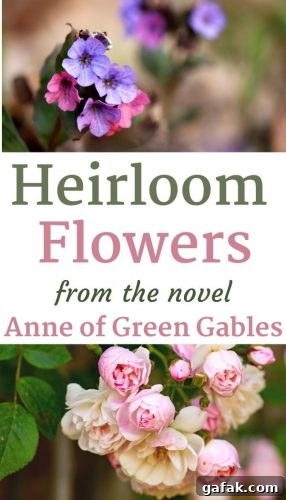
Explore 12 old-fashioned flowers featured in Anne of Green Gables. These heirloom blooms have endured through time and are perfect for creating perennial cottage gardens in cool climates.
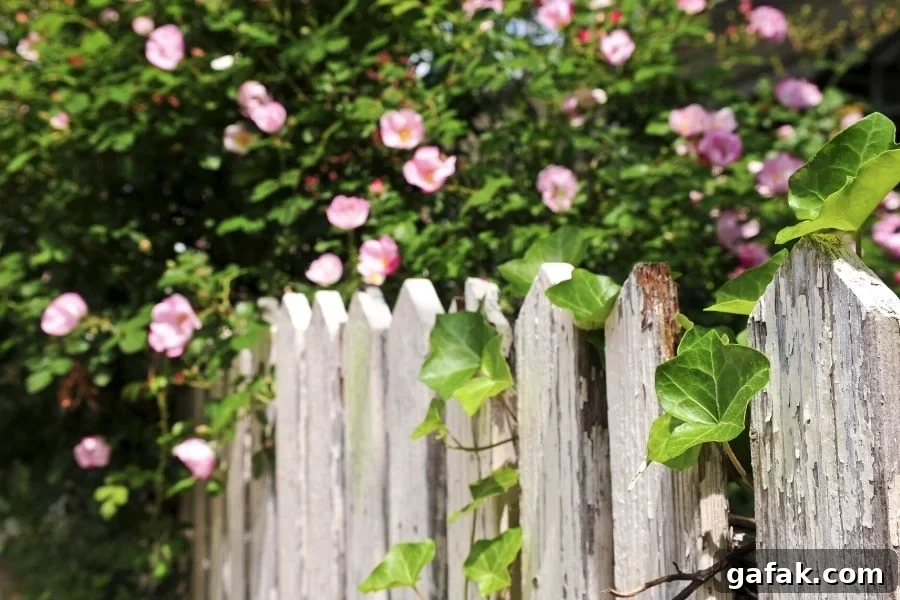
As a child I resisted Anne of Green Gables—her emotions and romanticism felt excessive to me. Yet as an adult I returned to L.M. Montgomery’s world and discovered why readers cherish it: the clear-hearted heroine, the domestic details in Marilla’s kitchen, and the lush, vivid descriptions of the island landscape.
Living now in the countryside, my husband and I are establishing perennial flower beds around our home. Reading Anne made me notice the traditional garden flowers Montgomery describes, and I began collecting the same old-fashioned varieties to plant along the drive and in cottage borders.
Heirloom flowers aren’t always easy to find today, since modern gardening often favors annuals chosen for color and novelty. The Anne books, however, reference many perennial favorites—plants you can grow from seed, bulbs, divisions, or cuttings to build a classic, enduring garden.
Domestic Flowers Mentioned in Anne of Green Gables
Montgomery mentions a mix of garden plants—some best started from seed, others from bulbs or divisions, and several that were commonly propagated from slips or cuttings so gardeners could preserve them over winter.
Below are 12 old-fashioned flowers from Anne of Green Gables that you can add to your garden this season.
1. Adam-and-Eve
- Also called Lungwort
- Purple and blue blossoms
- Thrives in partial shade
- Start from seed or division
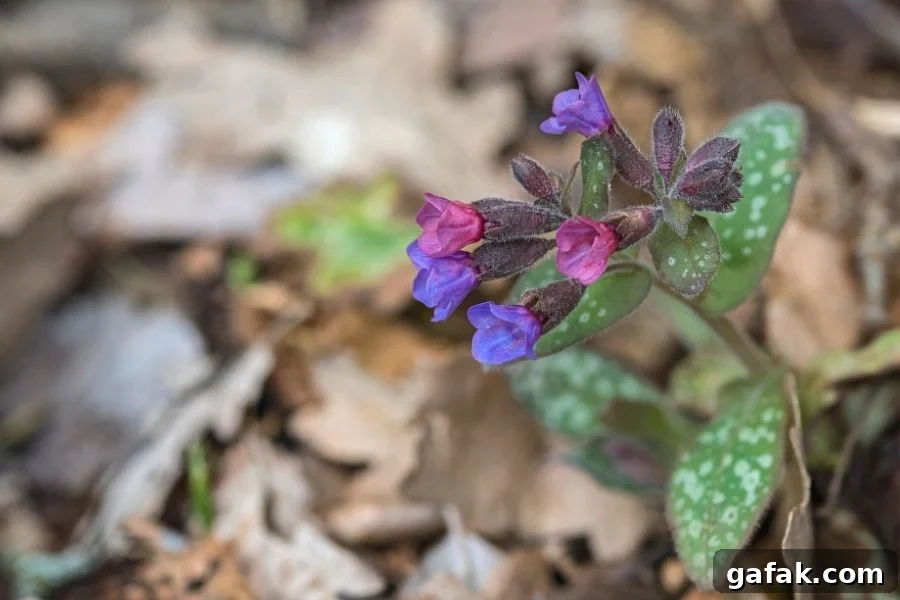
Adam-and-Eve is a shade-loving plant mentioned in the Barry garden where Anne and Diana first became bosom friends. Its speckled foliage and blue-toned flowers make it a beautiful woodland or shaded-border addition.
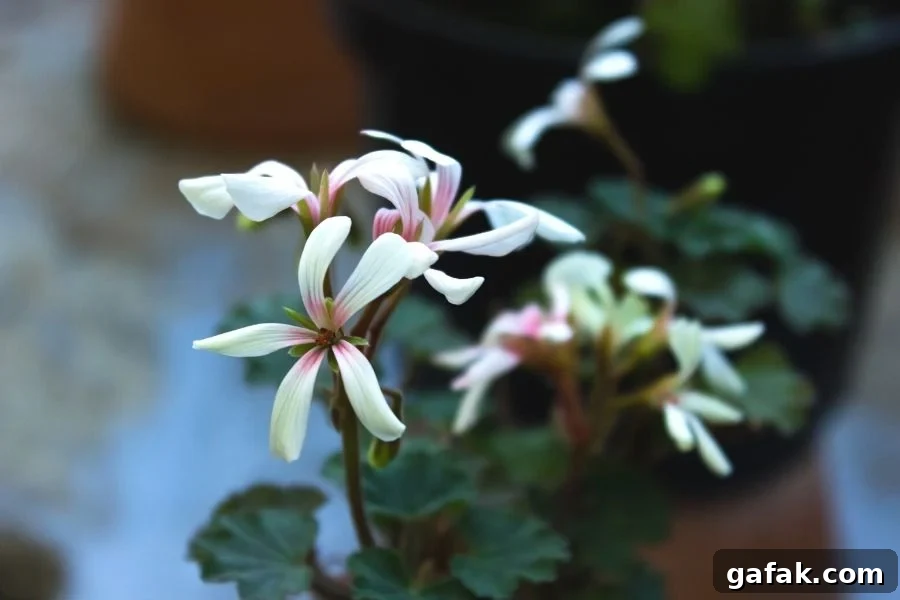
2. Apple Scented Geranium
- Not a true geranium
- Small white flowers
- Prefers drier soil
- Trailing foliage suits window boxes or hanging containers
- Not winter-hardy in cold regions; take cuttings before frost
Marilla’s kitchen windowsill held an apple-scented geranium, a quiet sign of her softer side. Historically gardeners rooted cuttings indoors to preserve these fragrant plants through northern winters and replant them outdoors each summer.
3. Bouncing Bet
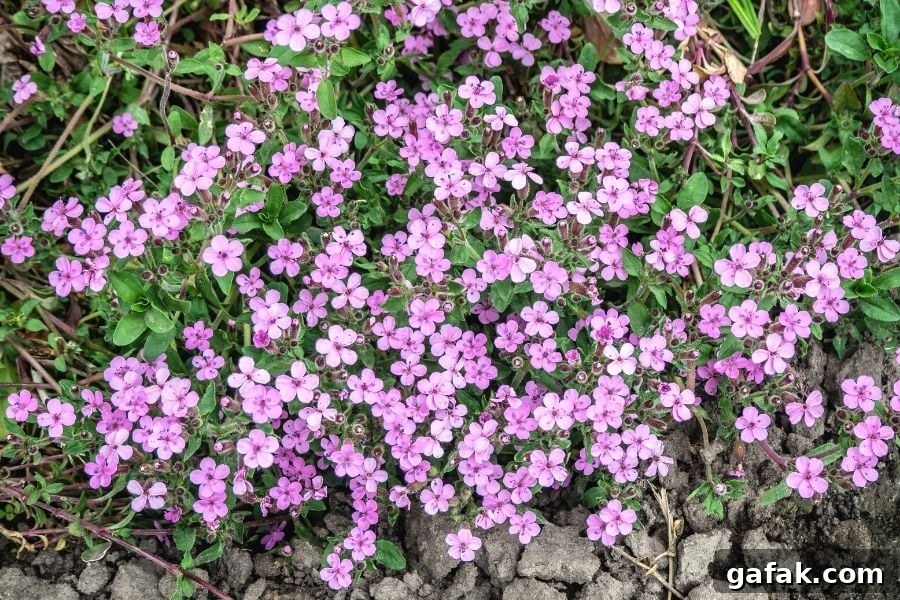
- Also called Wild Sweet William or Soapwort
- Soft lavender flowers
- Likes partial shade
- Propagate from seed or root division
Bouncing Bet appears in the Barry garden. Also known as Soapwort, its saponin-rich foliage was once used in gentle soaps. In the garden it makes an attractive, low-growing groundcover where a soft mound of lavender blooms is desired.
4. Columbine
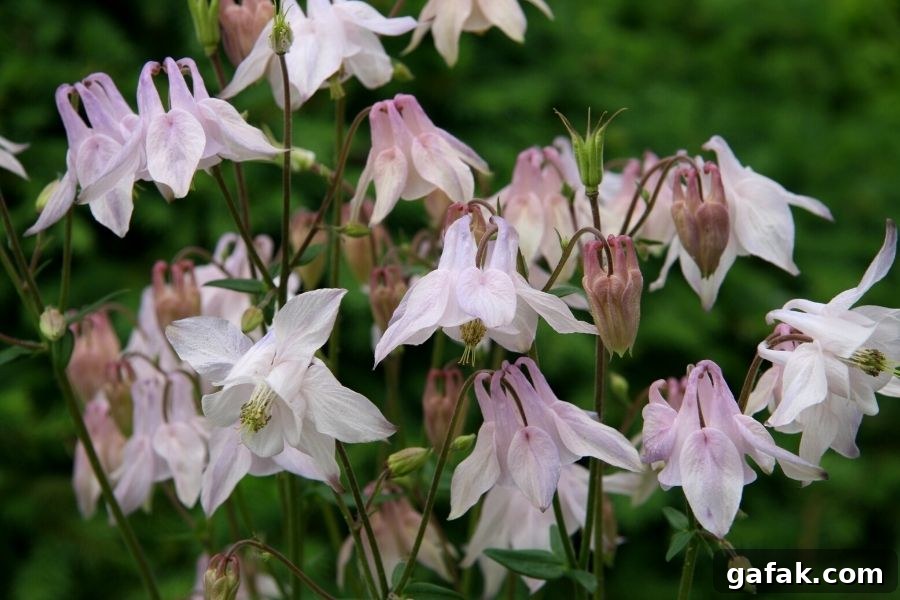
- Available in many colors
- Needs partial shade in hot climates
- Self-seeds readily
- Grow from seed or divide crowns
Columbines are mentioned several times, with blue, white, and pink varieties in the shady Barry garden. Their delicate bell-like flowers reliably self-sow, returning year after year in cool-climate cottage gardens.
5. Iris
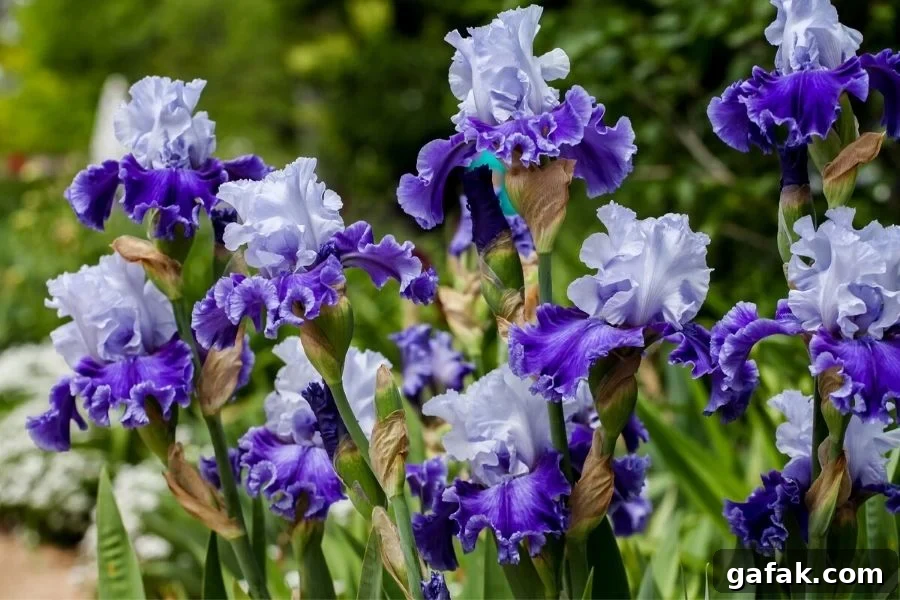
- Blooms in a wide range of colors
- Prefers full sun
- Does well in drier soil
- Grow from seed or rhizomes
An iris is given to Anne in place of lilies in one memorable scene. Hardy irises were common in Avonlea and remain a classic choice for borders and cottage beds, offering bold structure and vivid spring color.
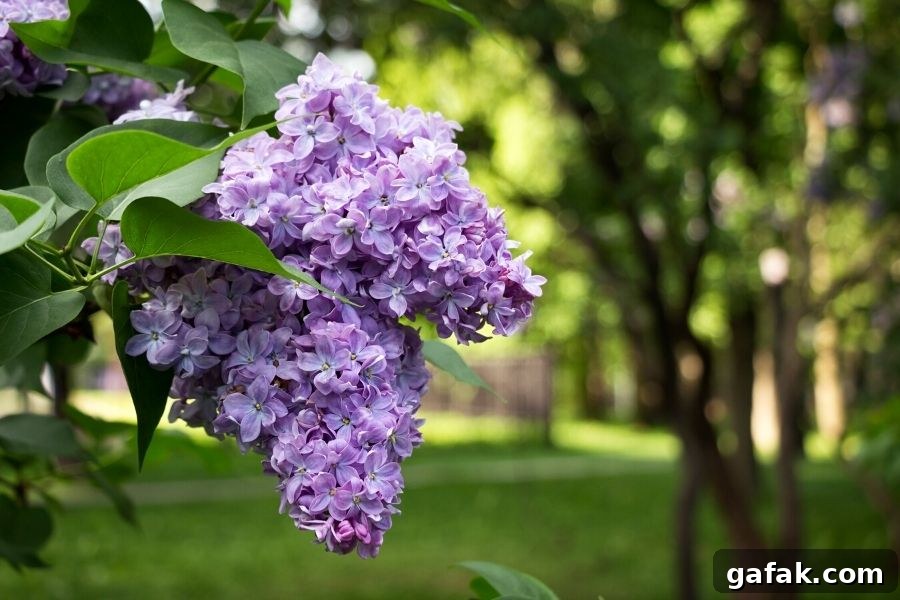
6. Lilac
- Traditional colors: shades of purple and white
- Full sun preferred
- Thrives in well-drained soil
- Best propagated by cuttings or spring shoots
On Anne’s first morning at Green Gables she breathes in the “dizzying sweet fragrance” of purple lilacs. Lilac bushes form fragrant hedges and are easily propagated by taking suckers or shoots in spring.
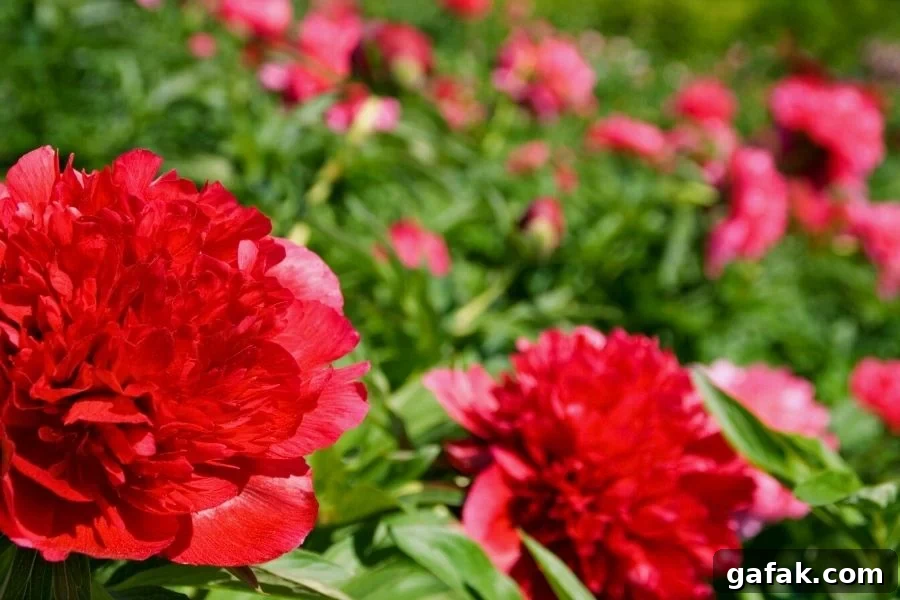
7. Peonies
- Shades of red, pink, and white
- Partial shade to full sun
- Prefer consistent moisture
- Propagate by division or from roots
Peonies appear in the Barry garden and are later used as a point of comparison by the local characters. Their lush, large blooms make them a signature of classic cottage gardens and an ideal memory plant for special spots.
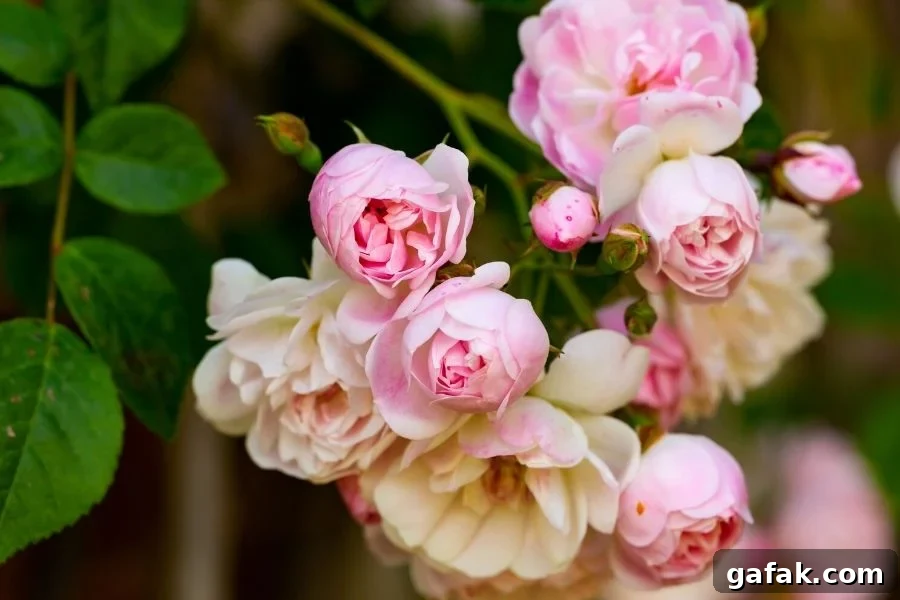
8. Roses
- Classic colors: red, pink, white
- Require full sun
- Often propagated from cuttings or seed
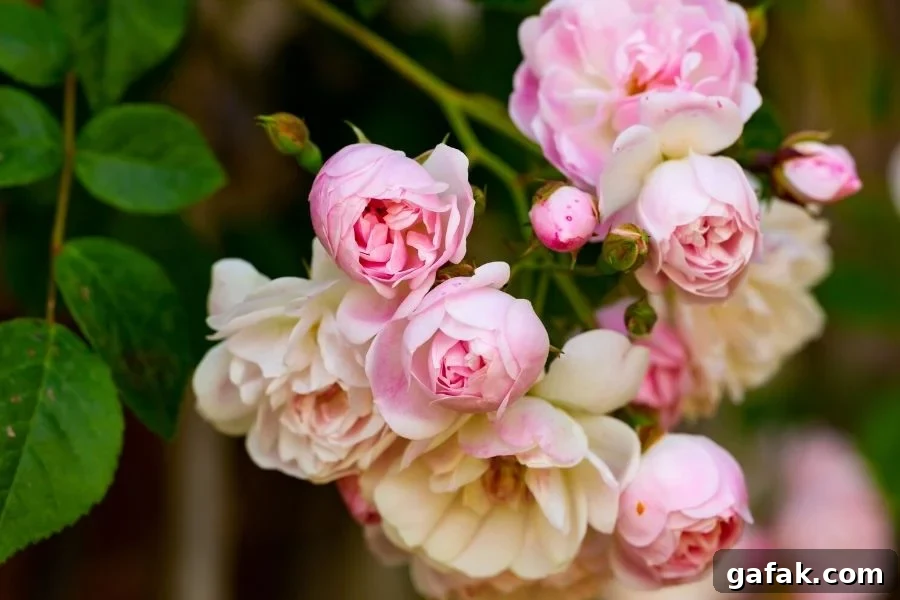
Roses appear often in Montgomery’s scenes—garden roses, wild roses, and table decorations. Traditionally propagated from cuttings, roses remain a defining element of romantic, historical gardens.
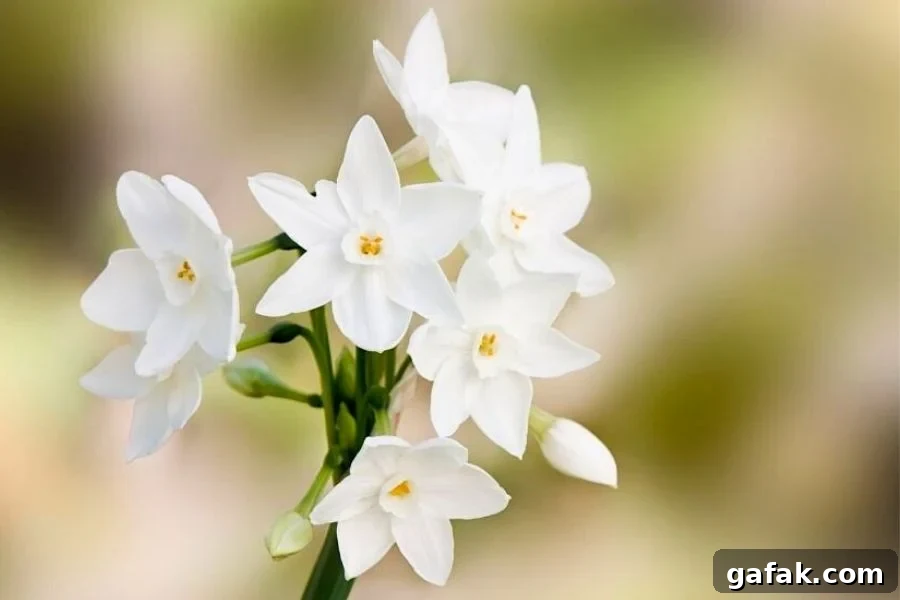
9. Narcissus
- Also called Daffodil or White June Lily
- Partial shade to full sun
- Prefer well-drained soil
- Grow from bulbs or divisions
White narcissus recurs throughout Anne’s story, often referenced as “white June lilies.” These spring bulbs are dependable, cheerful bloomers and a staple of traditional gardens.
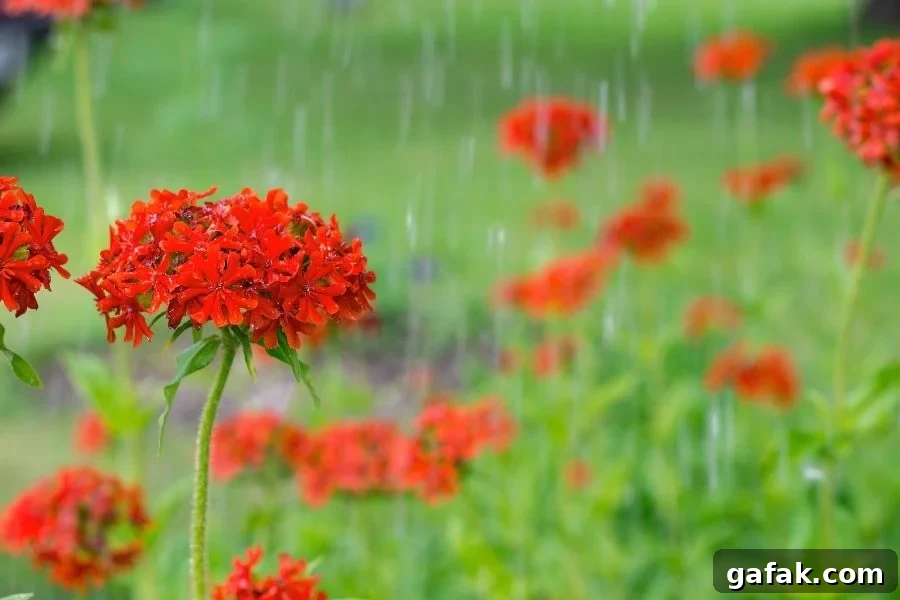
10. Scarlet Lightning
- Also called Nonesuch or Maltese Cross
- Scarlet, red, or orange flowers
- Prefers partial shade and moist soil
- Propagate from seed or division
Scarlet Lightning is noted in the Barry garden. Its bright, cross-shaped blooms add a punch of warm color to shaded borders and traditional cottage beds.
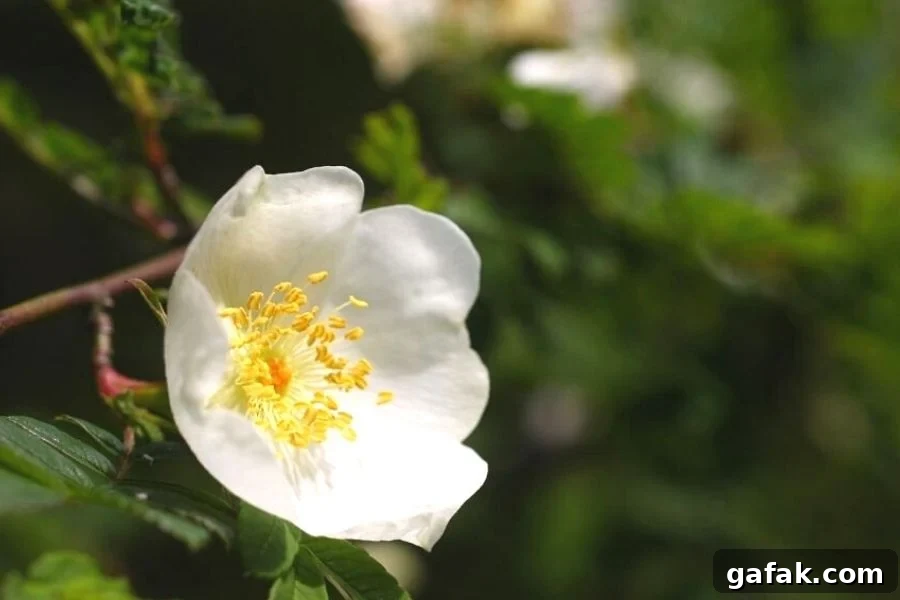
11. Scotch Rose
- Creamy white blossoms
- Partial shade to full sun
- Tolerates semi-dry soil
- Hardy with many prickles that deter animals
- Propagate by seed, cuttings, or suckers
The Scotch Rose carries personal meaning for Anne and Matthew. Slips brought from Scotland were planted at Green Gables, and Anne later places a slip at Matthew’s grave. This hardy, scented rose is both ornamental and historically resonant.
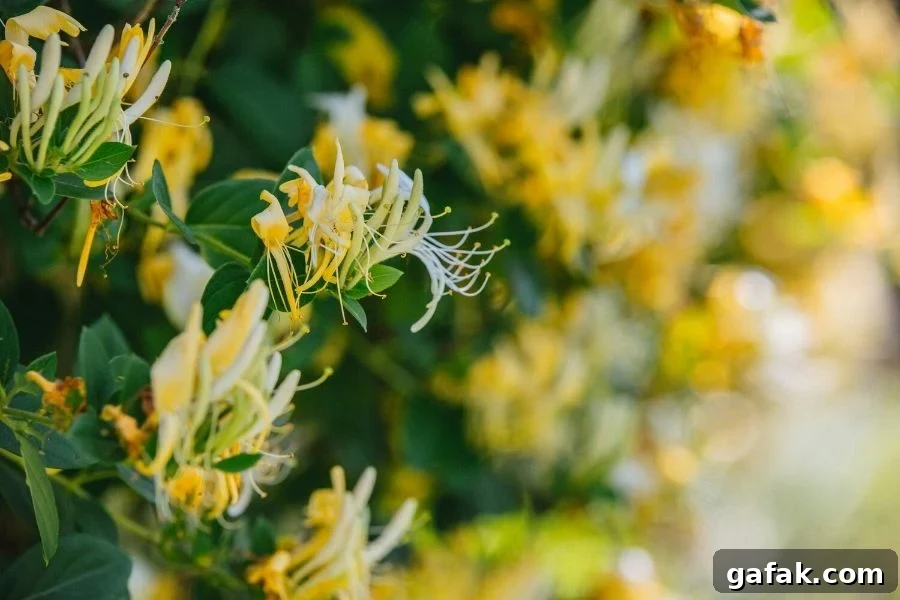
12. Yellow Honeysuckle
- Blooms in yellow, pink, red, or white
- Partial shade to full sun
- Prefers semi-dry soil
- Propagate by seed, cuttings, or root division
After Matthew’s death, Anne gathers clusters of yellow honeysuckle to wear in her hair. This fragrant vine or shrub is easy to propagate and lends soft, sweet scent to evening porches and garden paths.
When Did You Last Read Anne of Green Gables?
Montgomery’s series charts Anne’s life from an imaginative eleven-year-old orphan to wife, mother, and community figure on Prince Edward Island. Beyond the central character, the books capture rural kitchens, gardens, and everyday life in the late 1800s and early 1900s.
If you enjoy period garden details and heirloom plants, rereading the series can be as rewarding as planting the same traditional flowers around your home.
Old-Fashioned Flowers from Anne of Green Gables
These twelve are just a selection of the many plants Montgomery mentions. Wildflowers, shrubs, and trees also appear throughout the novels. If you’d like more suggestions for heirloom varieties that fit the Anne aesthetic, leave a comment and you’ll get additional ideas for recreating those classic cottage gardens.