Allulose is a sugar alternative many bakers use in place of regular sugar. Below you’ll find clear information about what allulose is, how it behaves in recipes, its safety profile, and several dessert ideas where it shines.
Adopting a low‑carb or diabetes‑friendly diet doesn’t mean giving up treats. There are several sugar substitutes that let you enjoy baked goods and sweets while keeping carbs and blood sugar in check. Allulose is one of my favorites and has become a staple in my low‑carb pantry for its clean sweetness and baking performance.
This article answers common questions about allulose, explains how it’s made and used, and suggests recipes that benefit from its unique properties.
Frequently Asked Questions About Allulose
Below are concise answers to the questions I most often receive about allulose, based on current evidence and practical kitchen experience.
What Is Allulose?
Allulose, also called D‑psicose, is a simple sugar found in small amounts in some fruits and plants. It provides sweetness similar to table sugar but contributes far fewer usable calories. Because it has minimal impact on blood glucose, it’s popular with people following keto, low‑carb, or diabetes‑friendly diets.
What Does Allulose Taste Like?
Allulose tastes very similar to white sugar without the bitter or metallic aftertaste that some alternative sweeteners have. Its sweetness profile is clean and familiar, which makes it easy to substitute in many recipes.
How Is Allulose Made?
Allulose is a monosaccharide—one of the simplest kinds of sugar molecules. It shares the same chemical formula as fructose but differs in structure, which changes how the body handles it. Allulose can be produced by converting fructose derived from plant sources such as corn.
Because the body does not metabolize allulose like glucose, it provides much fewer calories and is not used as a primary energy source.
What Is The Nutritional Value of Allulose?
Allulose supplies roughly one‑tenth the calories of table sugar. While sucrose and glucose provide about 4 calories per gram, allulose delivers approximately 0.4 calories per gram, making it a very low‑calorie sweetener option for baking and cooking.
Is Allulose Considered To Be Natural?
Allulose is classified as a “rare sugar” because it occurs naturally in tiny amounts in foods such as wheat, figs, jackfruit, and raisins. Commercial allulose is typically produced from plant sources, so it is often described as a naturally derived sweetener.
Is Allulose Safe To Consume?
Regulatory authorities have reviewed the safety of allulose and it is generally regarded as safe for most people when used in typical amounts. Because it is absorbed and eliminated differently than glucose, large amounts may cause digestive discomfort in some individuals, so moderation is recommended.
Is Allulose A Sugar Alcohol?
No. Allulose is a simple sugar (a monosaccharide), not a sugar alcohol. It behaves differently from sugar alcohols in taste, texture, and digestion.
Is Allulose Keto Friendly?
Yes. Because it contributes minimal usable calories and has little effect on blood glucose or insulin, allulose is considered keto‑friendly and works well in low‑carb baking, sauces, beverages, and desserts.
Does It Raise Blood Sugar Levels?
Allulose has minimal impact on blood sugar. Some studies and clinical observations suggest it may even help support healthy glucose metabolism, which is why many people with diabetes or insulin concerns choose it as a sweetening option. Individual responses can vary, so monitor your own blood glucose if you have concerns.
Can You Bake With It?
Yes—one of allulose’s biggest strengths is how it behaves in the kitchen. It tastes like sugar and performs similarly: it caramelizes, thickens, and becomes sticky when heated. Unlike several other sugar substitutes, allulose does not crystallize when chilled, which makes it excellent for sauces, curds, caramels, and many baked goods. In many recipes you can substitute allulose for sugar at a 1:1 ratio, but always check individual recipes for any adjustments related to texture or browning.
Where Can I Find Allulose?
Allulose has become more widely available through specialty grocery stores and online retailers. Availability varies by country due to differing regulatory approvals, so if you can’t find it locally, check reputable low‑carb or specialty ingredient suppliers in your region.
Recipes To Make Where You Can Use Allulose
Allulose can replace table sugar in many recipes. Below are examples where allulose works especially well and enhances texture and flavor.
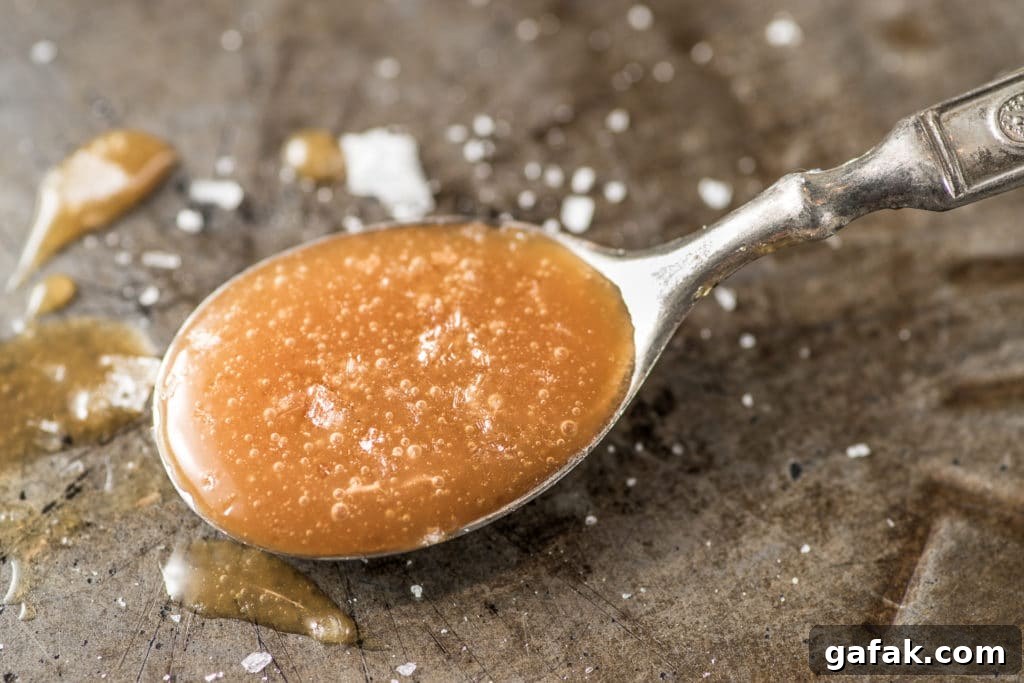
Sticky Keto Caramel Sauce
This caramel sauce sets up thick and glossy without graininess. It’s perfect over low‑calorie ice cream or muffins. A simple version uses 1 cup allulose, 1/2 cup butter, and 1 teaspoon vanilla, plus a few other ingredients for balance. The final texture and flavor closely resemble traditional caramel.
Keto Lemon Cheesecake With Lemon Curd Topping
Allulose works beautifully in lemon curd and meringue because it prevents crystallization and toasts well. Using allulose helps this cheesecake keep a smooth curd and a nicely browned meringue, delivering bright lemon flavor without refined sugars.

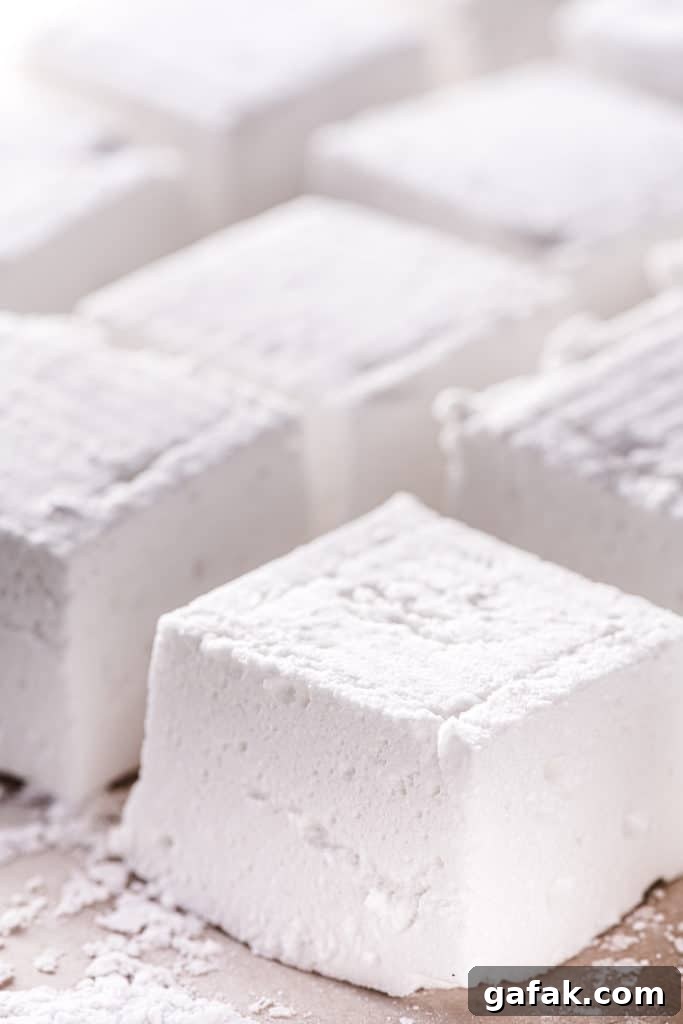
Homemade Keto Marshmallows
Replace table sugar with allulose in the syrup for marshmallows to create that familiar fluffy texture without the extra carbs. Allulose dissolves and sets well, producing light, pillowy marshmallows ideal for snacks or s’mores made with low‑carb ingredients.
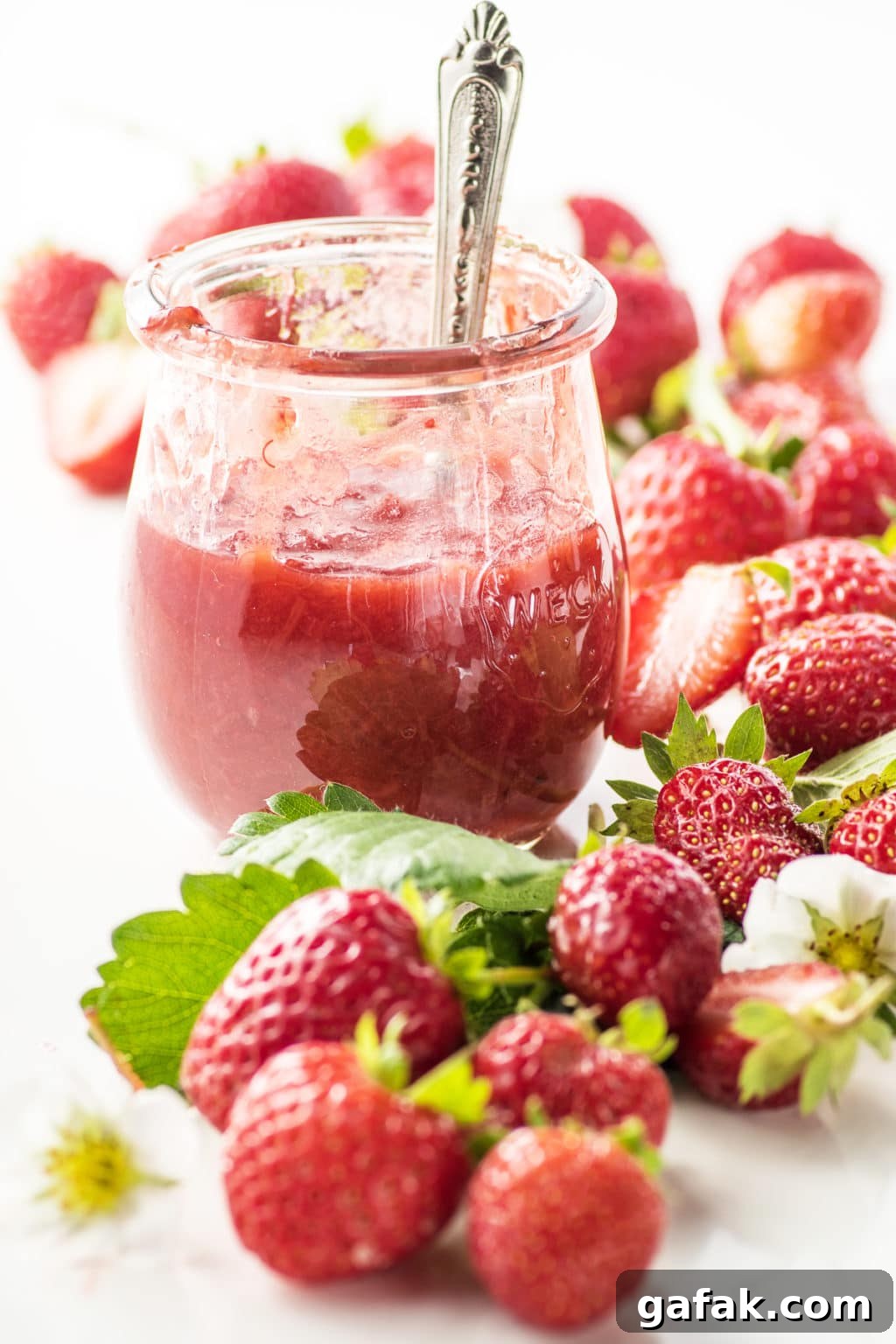
No Added Sugar Strawberry Jam
Homemade jam made with allulose sets to a traditional jam‑like texture without the high sugar load of commercial preserves. In one tested batch, 1 1/3 cups of allulose yielded five 8‑ounce jars of delicious, sticky strawberry jam that tasted true to the fruit and had excellent shelf stability when processed and stored properly.