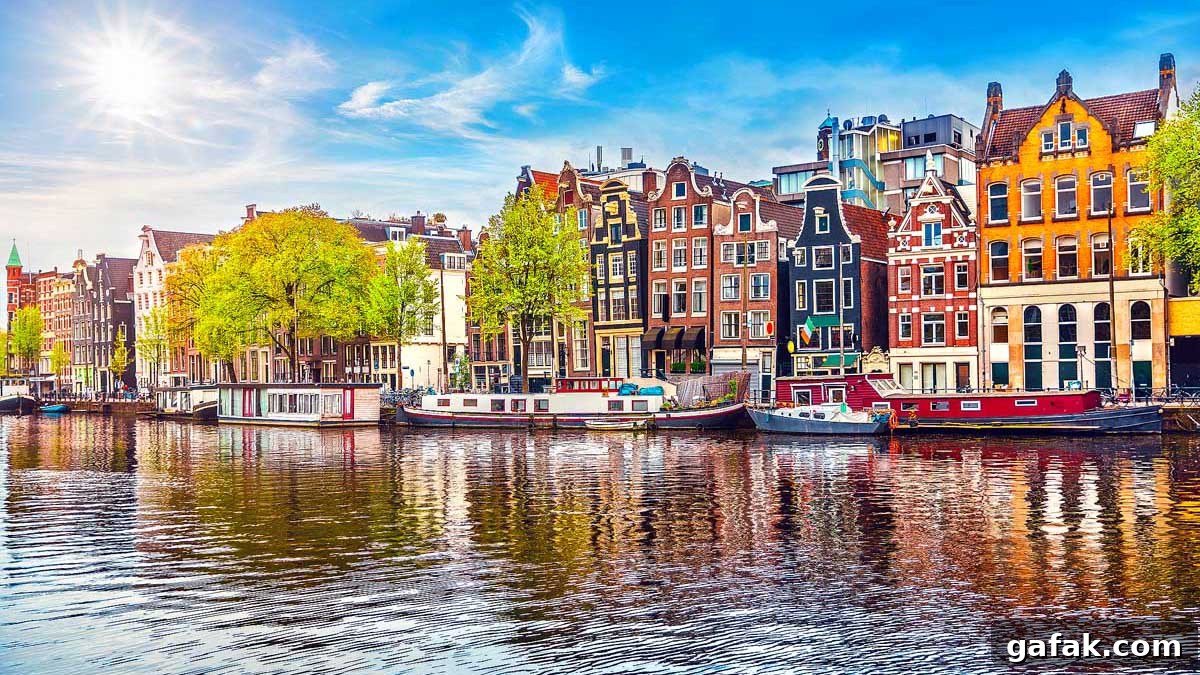
Amsterdam, often called the “Venice of the North,” combines deep-rooted history, lively culture, and striking architecture. When planning a trip to the Dutch capital, one of the most important choices is where to stay. The right neighborhood will shape how you experience the city, how easily you reach attractions, and how comfortable your nights are.
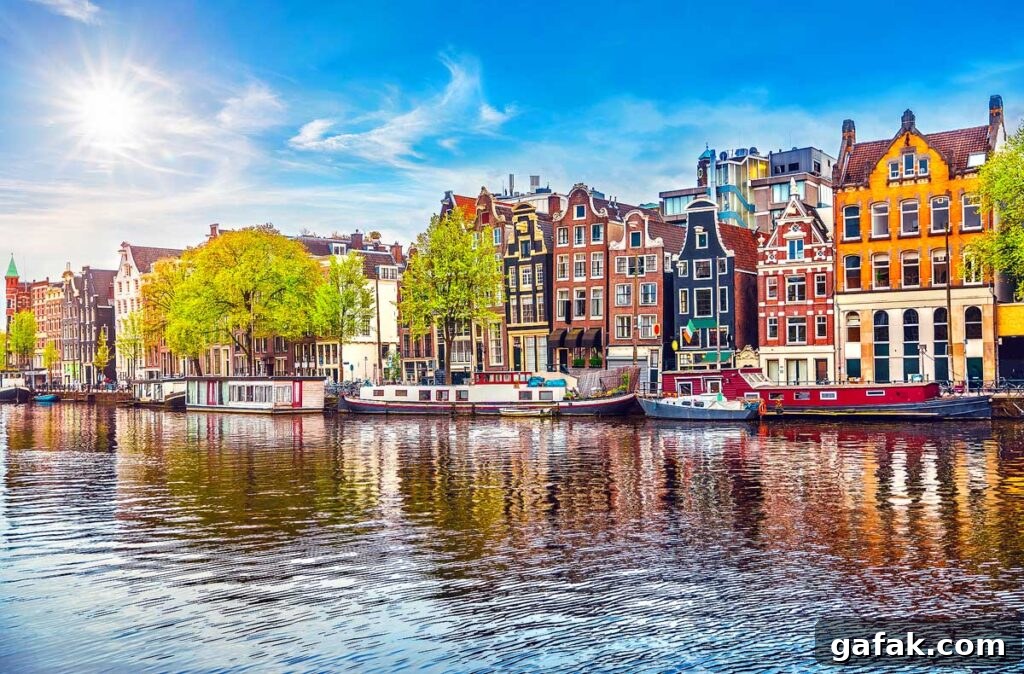
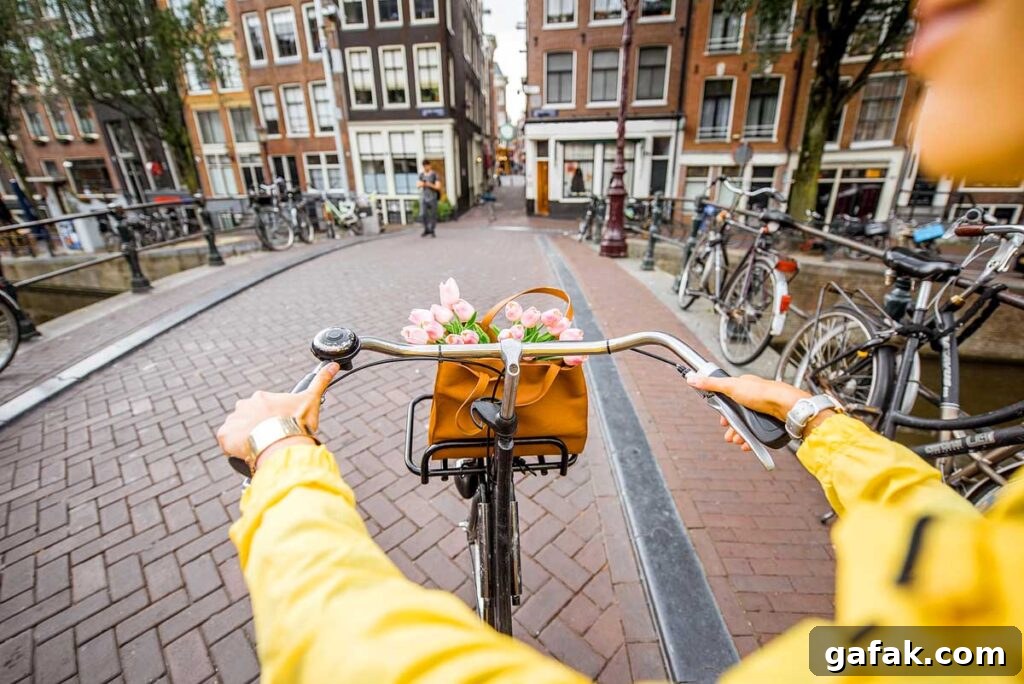
Having lived in Amsterdam and visited the center regularly, I know that accommodation can be expensive and rooms are often compact with steep stairs. Central areas can be noisy and crowded, so many visitors prefer staying slightly outside the busiest zones. Fortunately, Amsterdam’s public transport, cycling infrastructure, and walkability make it easy to base yourself a short tram or bike ride from the center while enjoying quieter streets and better value.
Each neighborhood in Amsterdam has its own character. Choosing the right area depends on your priorities: proximity to sights, local atmosphere, nightlife, family-friendly options, or budget. Below is a concise guide to the main neighborhoods and recommended types of accommodation in each.
Understanding Amsterdam’s Neighborhoods
Amsterdam’s layout is famously defined by its concentric canal rings, with the historic city center at the core. Moving outward from the canal belt, you’ll encounter neighborhoods that range from tourist-filled streets to quiet residential districts and creative quarters. Knowing the differences makes it easier to pick a place that suits your trip—whether you want to be in the thick of the action or seek a calmer, more local experience.
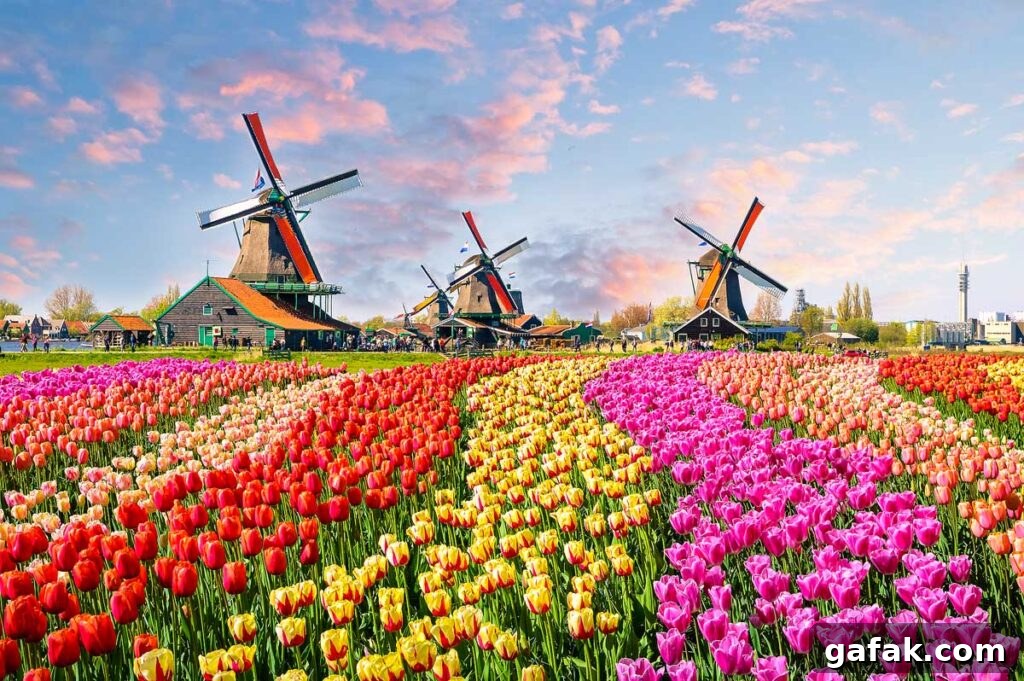
Best Neighborhoods to Stay in Amsterdam
Centrum
Centrum is Amsterdam’s historic and tourist core. Here you’ll find Dam Square, the Royal Palace, major museums, and the lively Red Light District. If you want to be within walking distance of the main sights and don’t mind a bustling atmosphere, Centrum is ideal. Expect many dining and entertainment options, but also higher prices and more noise at night.
Accommodation Options:
- Budget: Central hostels and simple hotels offer the cheapest options and a social atmosphere.
- Mid-range: Compact city hotels provide practical comfort and prime locations.
- Luxury: Grand historic hotels and upscale properties overlook squares and canals for a classic Amsterdam experience.
Jordaan
Jordaan is romantic and quaint, with narrow streets, small canals, and a strong local feel. It’s home to the Anne Frank House and many independent shops, galleries, and cozy cafés. Jordaan is quieter than Centrum but still central, making it a top choice for visitors who want charm and easy access to major attractions without the constant crowds.
Accommodation Options:
- Budget: Small guesthouses and family-run hotels offer affordable, friendly stays.
- Mid-range: Boutique hotels with thoughtful design and canal views.
- Luxury: Historic canal-side hotels with refined rooms, dining, and garden terraces.
De Pijp
De Pijp is a multicultural, energetic neighborhood known for the Albert Cuyp Market, diverse restaurants, and a young, trendy vibe. It offers great food options and lively bars while remaining residential and less touristy than the center. De Pijp is a smart choice if you want local life, markets, and nightlife within easy reach of the center.
Accommodation Options:
- Budget: Budget hotels and hostels close to market streets.
- Mid-range: Stylish boutique hotels with contemporary amenities.
- Luxury: Full-service hotels with wellness facilities and city views.
Oud-West
Oud-West blends historic charm with modern amenities. The neighborhood is home to De Hallen, a converted tram depot turned cultural hub with food stalls, boutiques, and a cinema. Oud-West is convenient, lively, and offers a mix of restaurants and local life while remaining more relaxed than the very center.
Accommodation Options:
- Budget: Comfortable budget hotels and guesthouses near major tram lines.
- Mid-range: Eco-conscious and design-led hotels close to parks and cultural spots.
- Luxury: Boutique hotels within cultural complexes for a refined stay.
Oost
Oost (East) is diverse and increasingly popular. With parks, multicultural dining, and a growing arts scene, Oost feels local and authentic. It’s a good option for visitors who want a quieter base with easy tram and metro access to central Amsterdam.
Accommodation Options:
- Budget: Designer hostels and affordable hotels close to green spaces.
- Mid-range: Comfortable hotels with park views and relaxed dining.
- Luxury: Intimate boutique suites in historic buildings.
Noord
Noord (North) has transformed from industrial docks to a creative district with modern architecture, cultural venues, and waterfront views. Reached by a short ferry from Central Station, Noord offers a different perspective on Amsterdam with museums, towers, and trendy hotels in converted warehouses.
Accommodation Options:
- Budget: Waterfront hostels and communal-style stays.
- Mid-range: Wharf hotels with good transport links and scenic views.
- Luxury: Design hotels in iconic towers overlooking the IJ river.
Frequently Asked Questions – Where to Stay in Amsterdam
What Is the Most Walkable Area in Amsterdam?
The most walkable area is the city center (Centrum). From there you can reach major attractions on foot, and nearby neighborhoods like Jordaan and De Pijp are also very walkable with many shops and cafés close together.
Is 3 Full Days in Amsterdam Enough?
Three full days gives a solid overview: museums, a canal cruise, neighborhood wandering, and trying local food. If you want to move at a relaxed pace or explore nearby towns, plan to stay longer.
Where Is the Most Central Location in Amsterdam?
Centrum is the most central area, with spots around Dam Square, the main train station, and major squares serving as the city’s focal points for transport, shopping, and attractions.
Conclusion – Where to Stay in Amsterdam
Choosing the right neighborhood in Amsterdam depends on your priorities. Centrum is best for first-time visitors who want to be within walking distance of major sights. Jordaan offers charm and a quieter, more intimate feel. De Pijp delivers markets and nightlife, Oud-West blends culture with convenience, Oost feels local and diverse, and Noord provides a creative, less touristy alternative. Consider your budget, what you want to do, and how much noise or convenience you can tolerate, and you’ll find an area that suits your trip.
You Might Also Like
- A Visual Tour: 24 Instagrammable Spots in Southern Spain
- The 34 Best Hotels in London
- Get Outside and Explore: 23 Outdoorsy Things to Do Near London
- 10 Luxurious Hotels in Bermuda for The Perfect Getaway
- How to Plan a Vacation: Guide With Trip Planning Tips