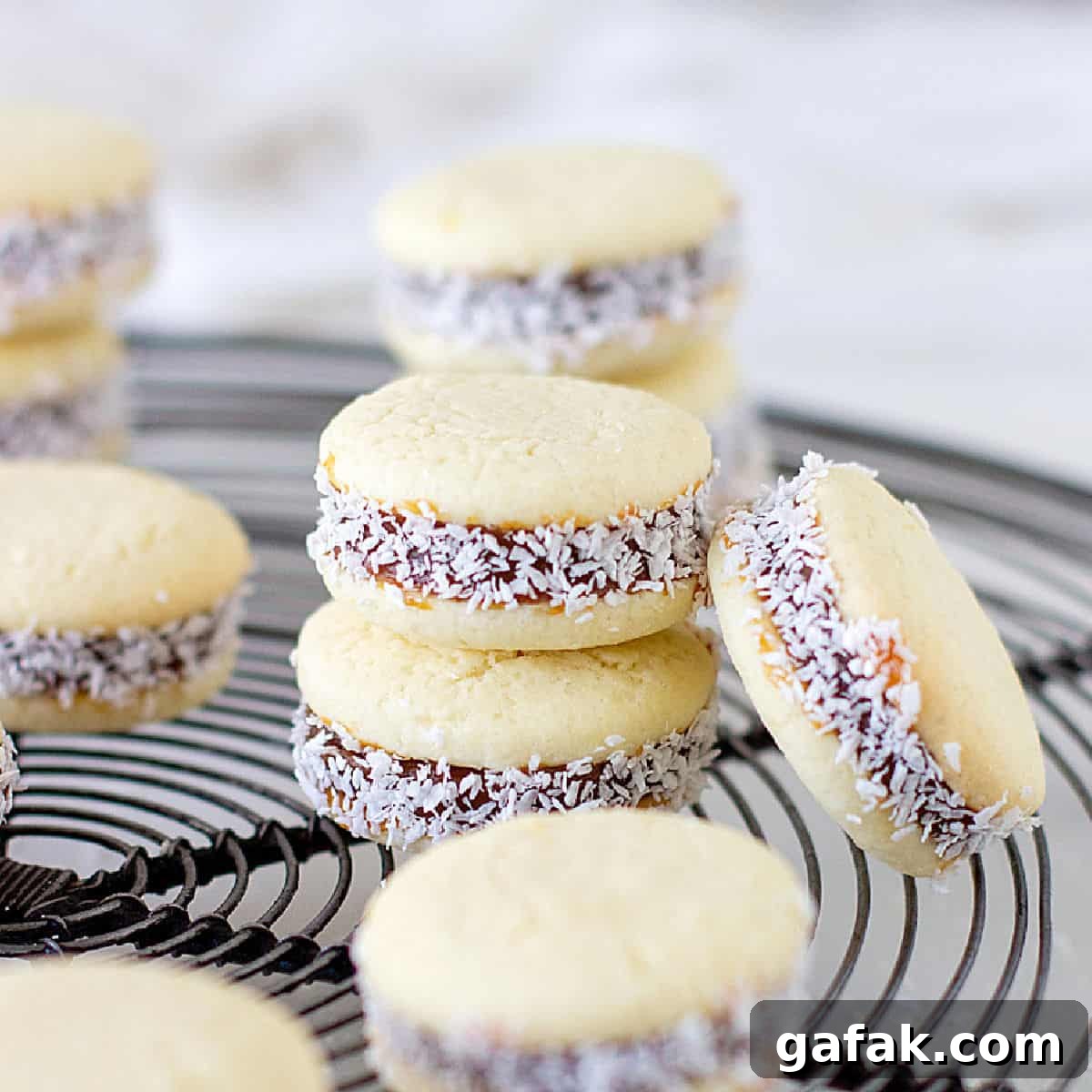
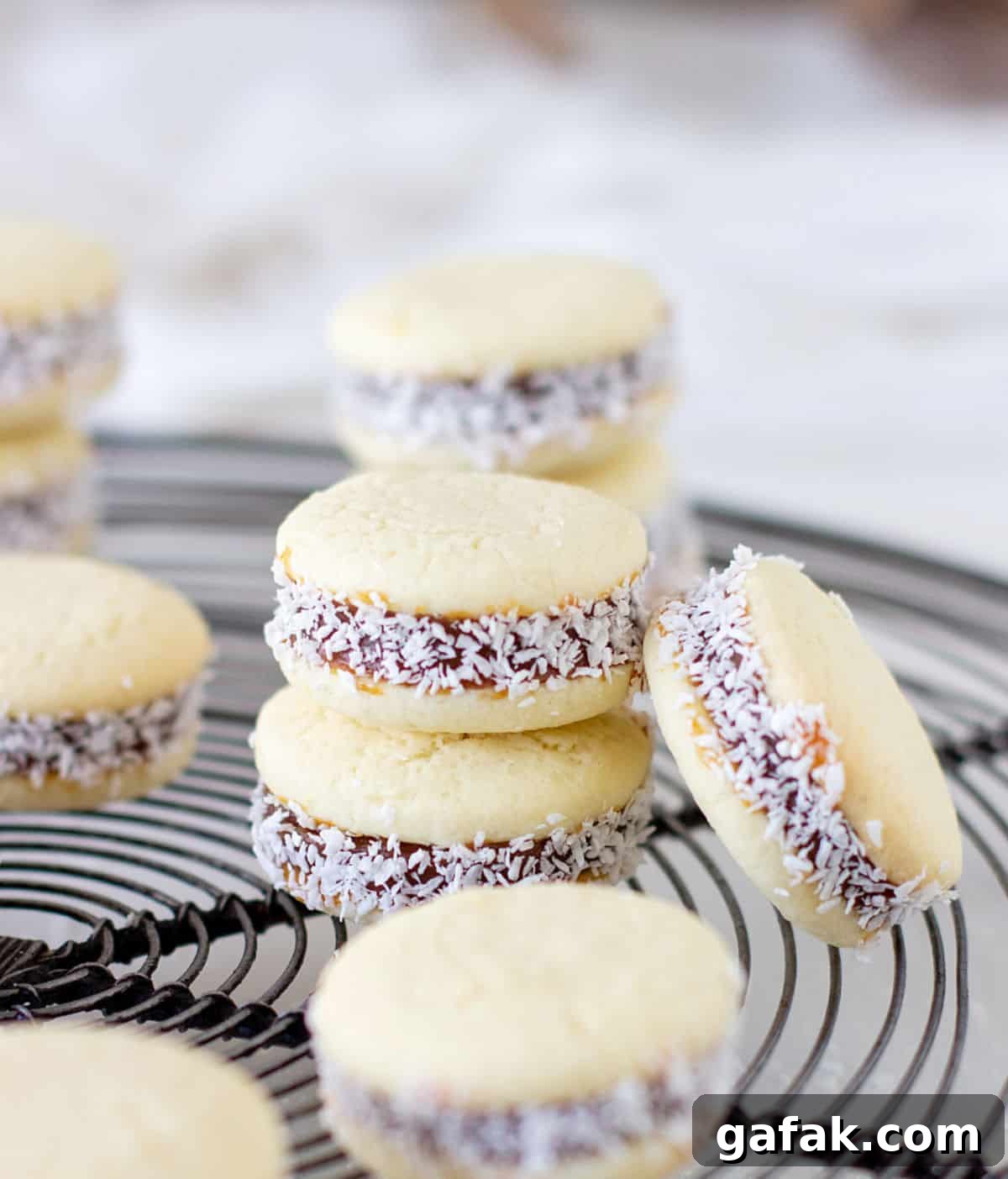
These alfajores are two soft cornstarch cookies sandwiched with gooey dulce de leche, a caramel-like spread. They are sweet and delicate with a melt-in-your-mouth texture. This is a classic, authentic recipe for cornstarch alfajores — if you haven’t tried them, you’re in for a real treat.
I know alfajores
Alfajores come in many forms—different fillings, coatings, and shapes—and are often enjoyed with coffee or tea. The cornstarch version is one of the oldest and most beloved types; it differs from shortbread-style alfajores in texture and crumb.
I’m from Argentina, and we eat a remarkable variety of alfajores. This recipe is the classic cornstarch version many Argentine families adapt from a traditional cookbook. It’s the foundation for countless variations and is the one recipe you’ll return to time and again.
What makes these special is the balance: a tender, crumbly cookie that pairs perfectly with the sweet, creamy filling. The result is simple, elegant, and utterly delicious.
What are alfajores?
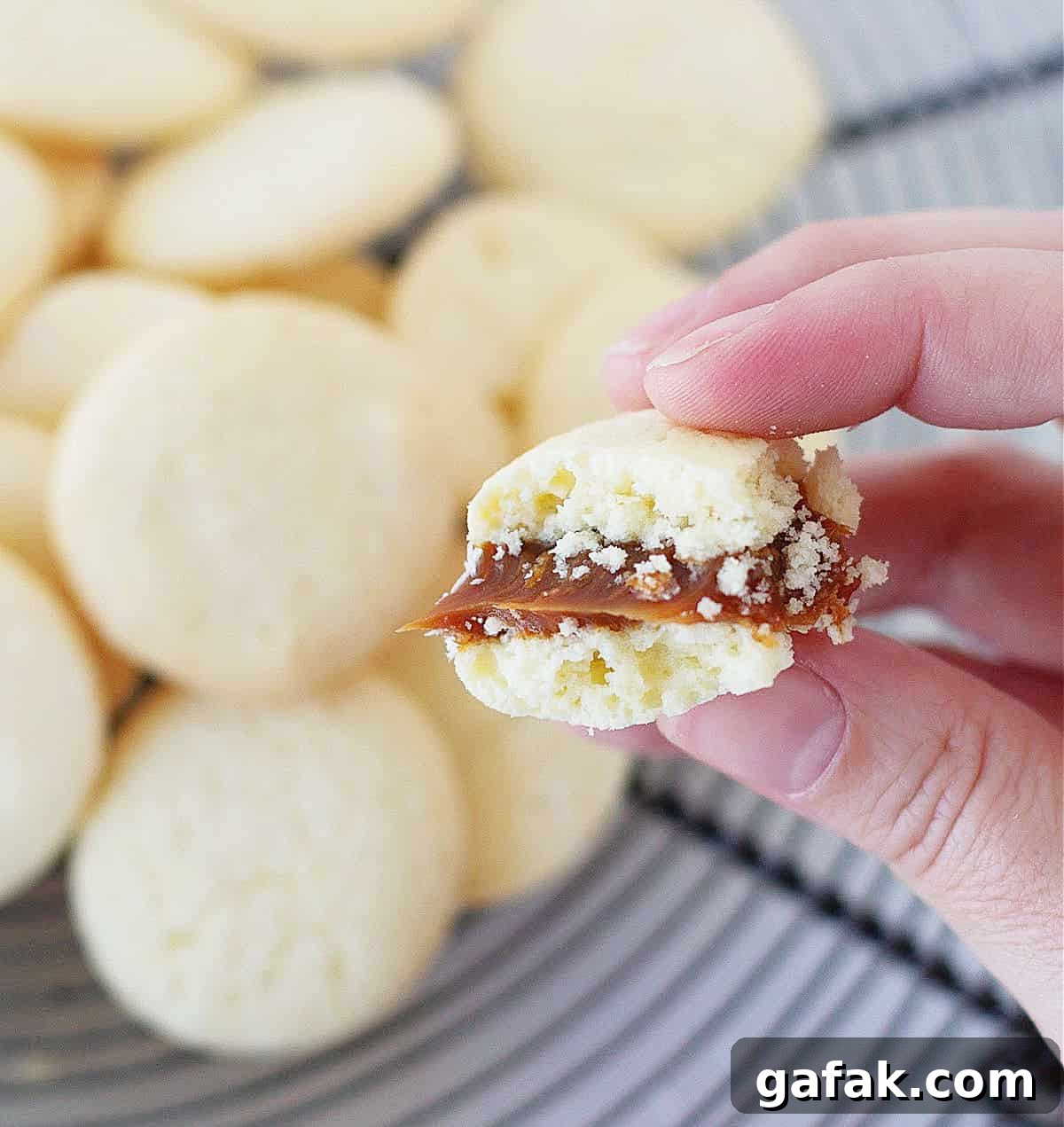
An alfajor is a sandwich cookie made of two discs of dough with a filling in between. Unless a different filling is specified, alfajores are traditionally filled with dulce de leche.
They offer a delightful contrast of textures: light and crumbly cookies with a creamy, sweet center. Alfajores are especially popular in South America—Argentina, Peru, and Uruguay among them.
Popular variations include chocolate-coated alfajores and smaller shortbread-style cookies that are perfect for tea or as finger foods at gatherings.
Ingredient Notes
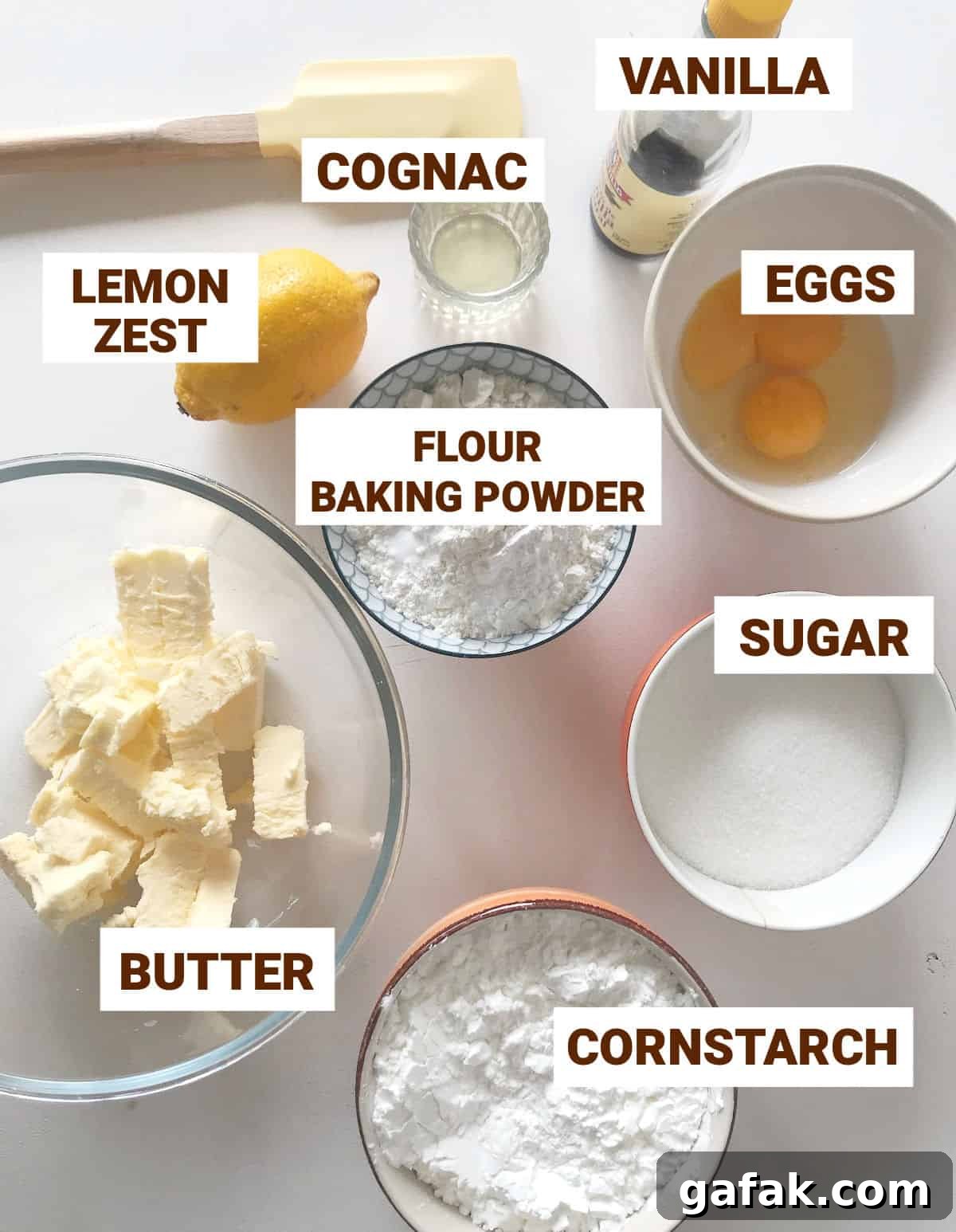
See the recipe card below for exact quantities. A few important notes:
- Cornstarch: essential for the crumbly, tender texture.
- Baking powder: check it isn’t expired so cookies rise properly.
- Cognac or brandy: optional but recommended for depth of flavor; it bakes off, leaving a subtle aroma. If you prefer no alcohol, omit it and increase vanilla slightly.
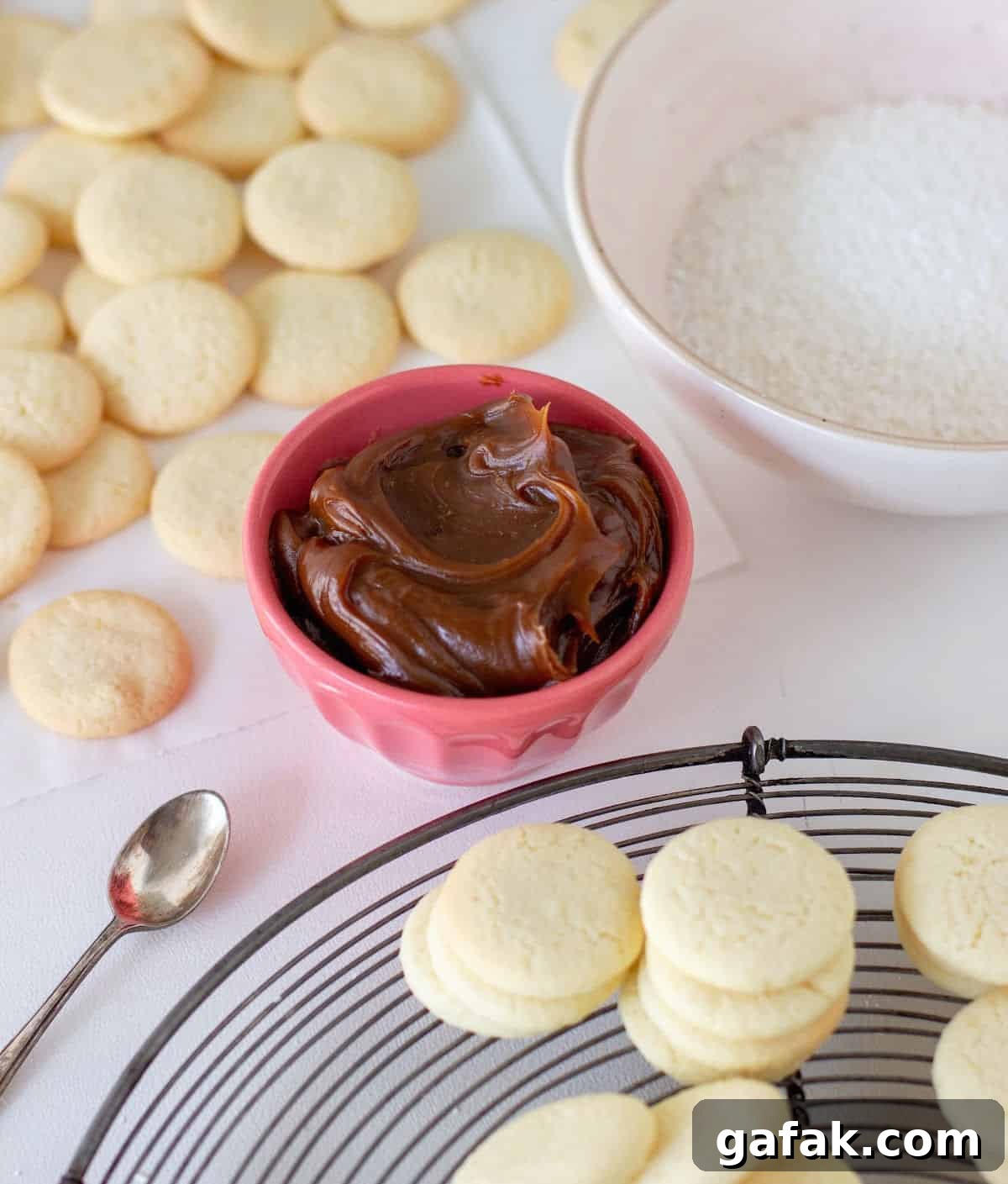
- Dulce de leche: use a thick, pastry-style dulce de leche labeled “repostero” for filling so it holds its shape and doesn’t run.
Flavor trio: lemon zest, vanilla, and cognac (or a substitute) combine to give these cookies a distinctive, rich flavor. Individually modest, together they elevate the dough.
Variations & substitutions
- No liquor: omit the cognac and add an extra ½ teaspoon vanilla if you prefer no alcohol.
- Coating: shredded coconut is traditional, but you can use finely chopped nuts or leave the sides plain.
- Fillings: while dulce de leche is classic, alternatives like nut butter, buttercream, or a light ganache will also work; nevertheless, try dulce de leche first to experience the authentic flavor.
Magic flavoring
This recipe relies on a small but powerful flavor combination: lemon zest, vanilla, and cognac (or brandy). Alone each is simple, but together they create a deep, slightly caramel-like note that complements the dulce de leche and the tender cookie.
The result is a balanced, rounded flavor—subtle, fresh, and comforting—that really sets these alfajores apart.
How to make the cornstarch cookie dough
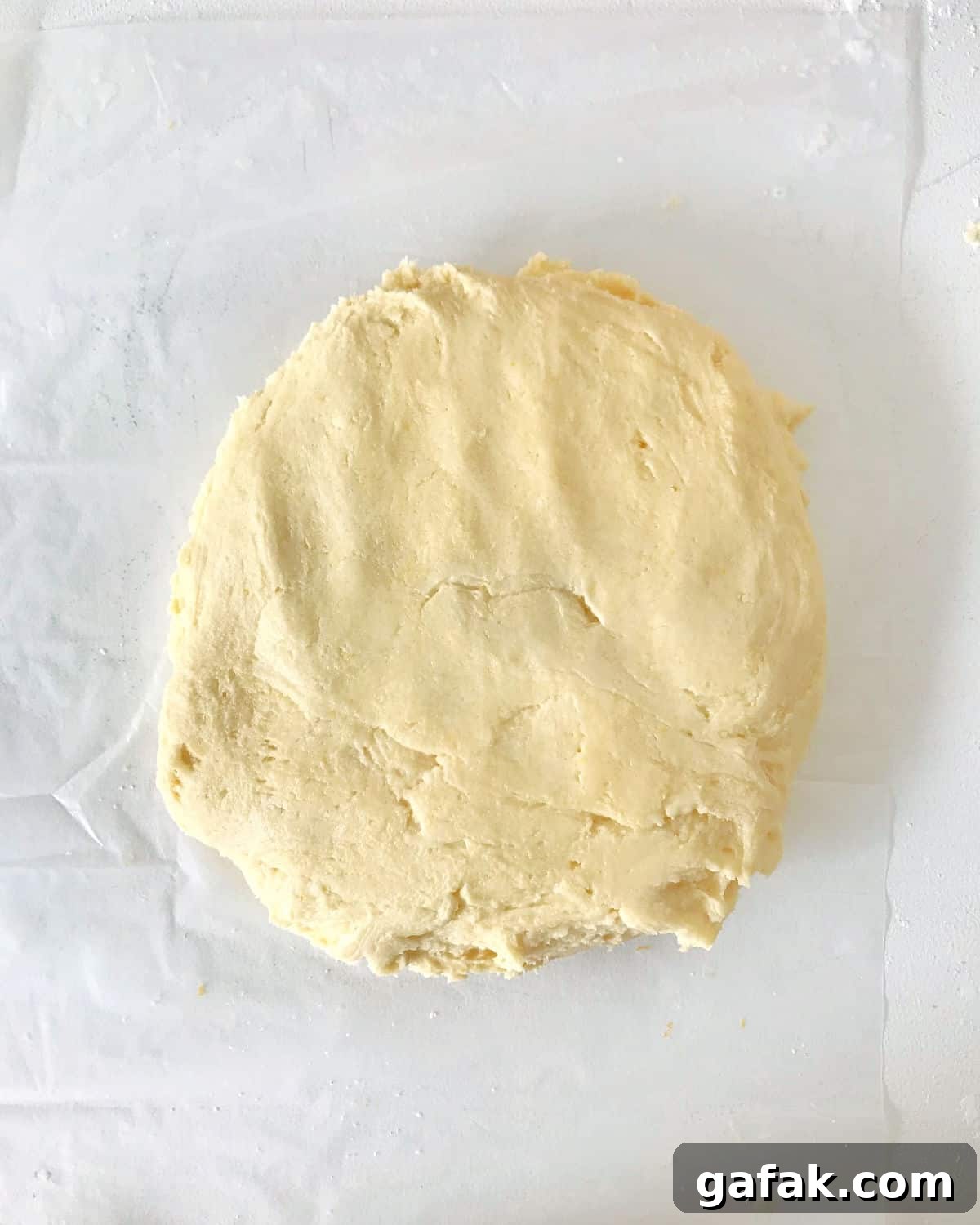
The dough is a simple vanilla-based mix with a high proportion of cornstarch to flour, which gives the signature crumbly texture. It’s easy to prepare and forgiving when handled gently.
- By hand: combine ingredients with a whisk and spatula; use soft butter for easiest mixing.
- Electric mixer: use low speed—this dough doesn’t need heavy beating; a stand mixer on low with paddle attachment or a handheld mixer will do.
The finished dough is soft, silky, and not sticky. Refrigerate it before rolling to make handling easier.
Rolling the dough
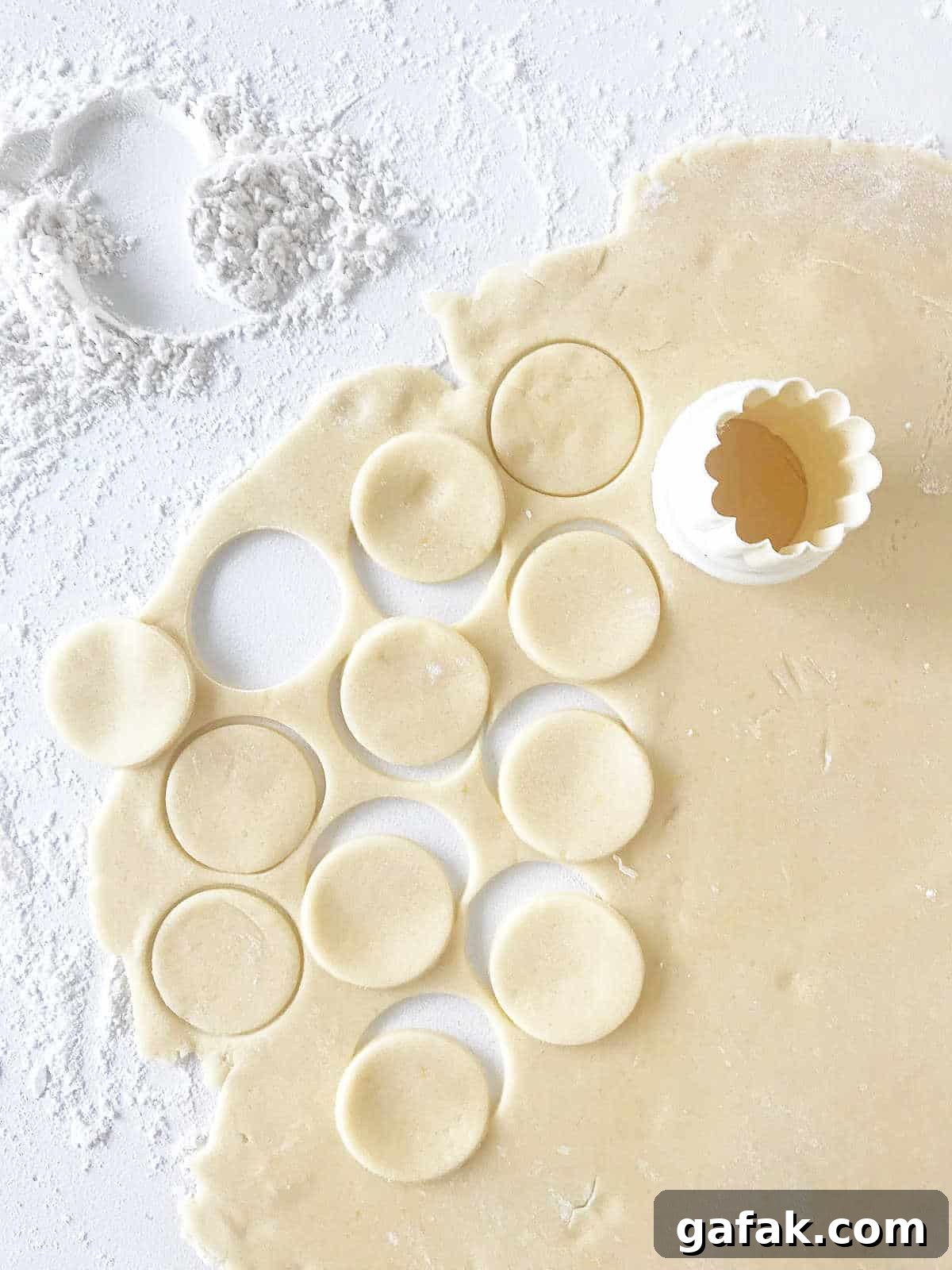
After chilling for at least 30 minutes (longer if convenient), roll the dough on a lightly floured surface to about ½ cm (¼ inch) thick. The dough is soft and easy to work with.
Cookie cutters: a small round cutter is traditional. These cookies keep their shape well in the oven, so you can use simple shapes if you prefer.
Baking the cookies
- Preheat oven: set the oven before you start rolling. If the oven isn’t ready, keep the sheets in the refrigerator until it reaches temperature.
- Cookie sheets: use parchment paper or lightly buttered trays; both work well depending on your preference.
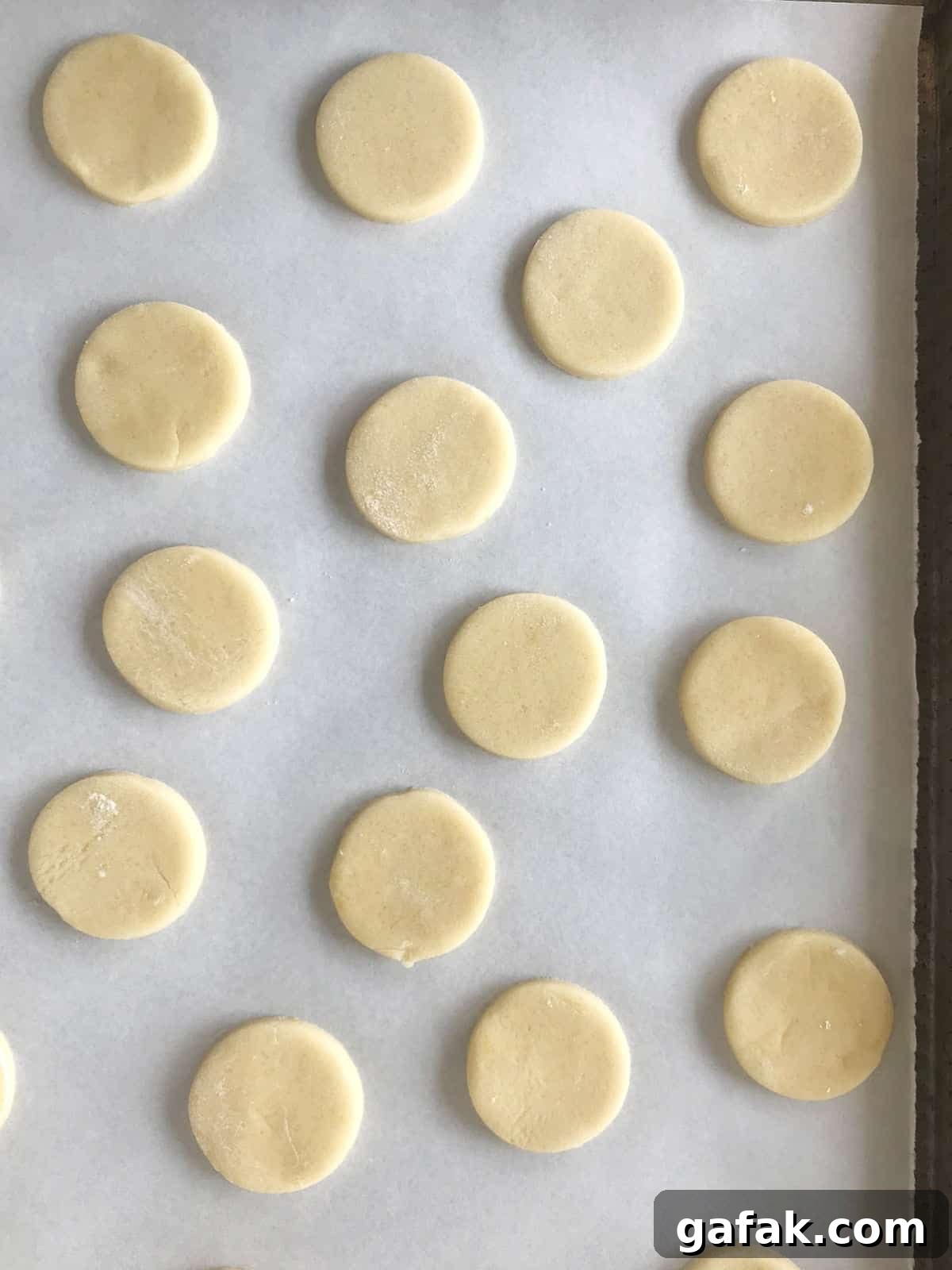
- Leave space between rounds so they can expand slightly while baking.
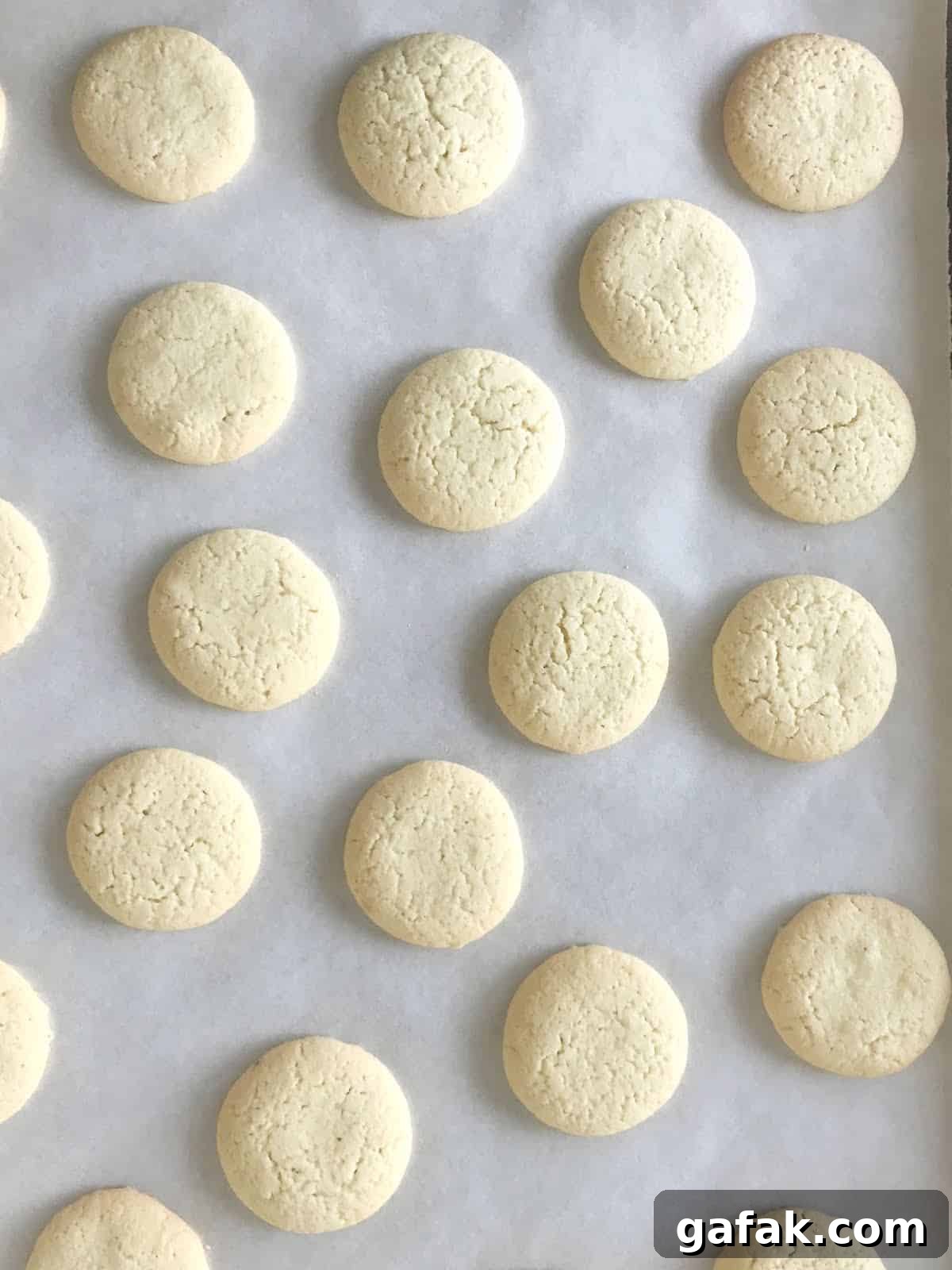
- Bake lightly: these cookies should be pale and only just starting to color. Overbaking makes them too crisp and prevents the soft, tender texture that works best with dulce de leche.
What is dulce de leche?
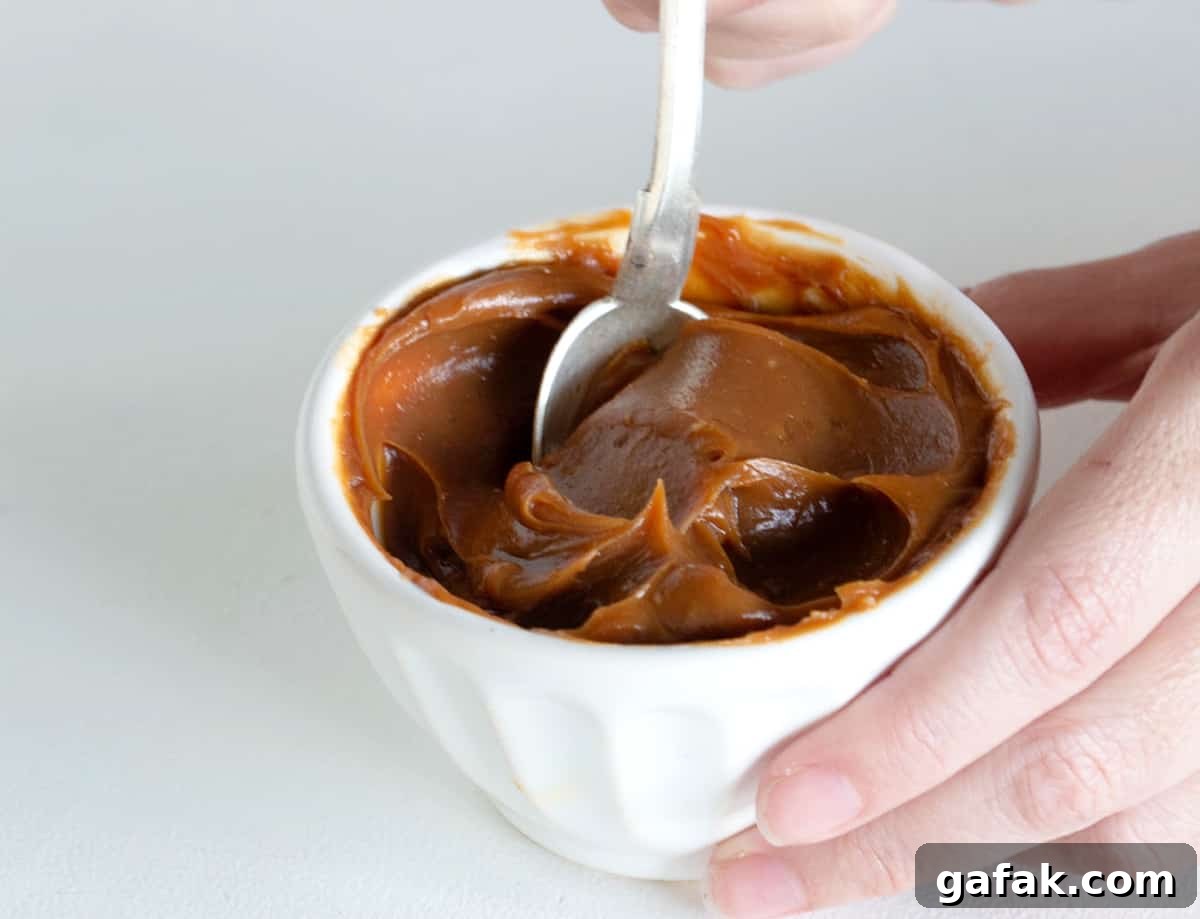
Dulce de leche is a sweet milk jam, similar to caramel but with a milky undertone. It’s made from milk, sugar, and a touch of baking soda, which contributes to its darker color and characteristic taste.
While dulce de leche can be made at home, many people buy commercial varieties. For alfajores, choose a thick pastry-style dulce de leche labeled “repostero” so the filling holds its shape.
Vintage Kitchen Tip
Use a pastry dulce de leche (repostero) for the filling—its thicker consistency works best. If you have access to well-regarded brands locally, choose the thick, spreadable variety for consistent results.
Filling the alfajores
Traditionally, alfajores are filled with dulce de leche. For a neat finish use a piping bag with a plain tip; otherwise a teaspoon works fine and gives a more rustic look.
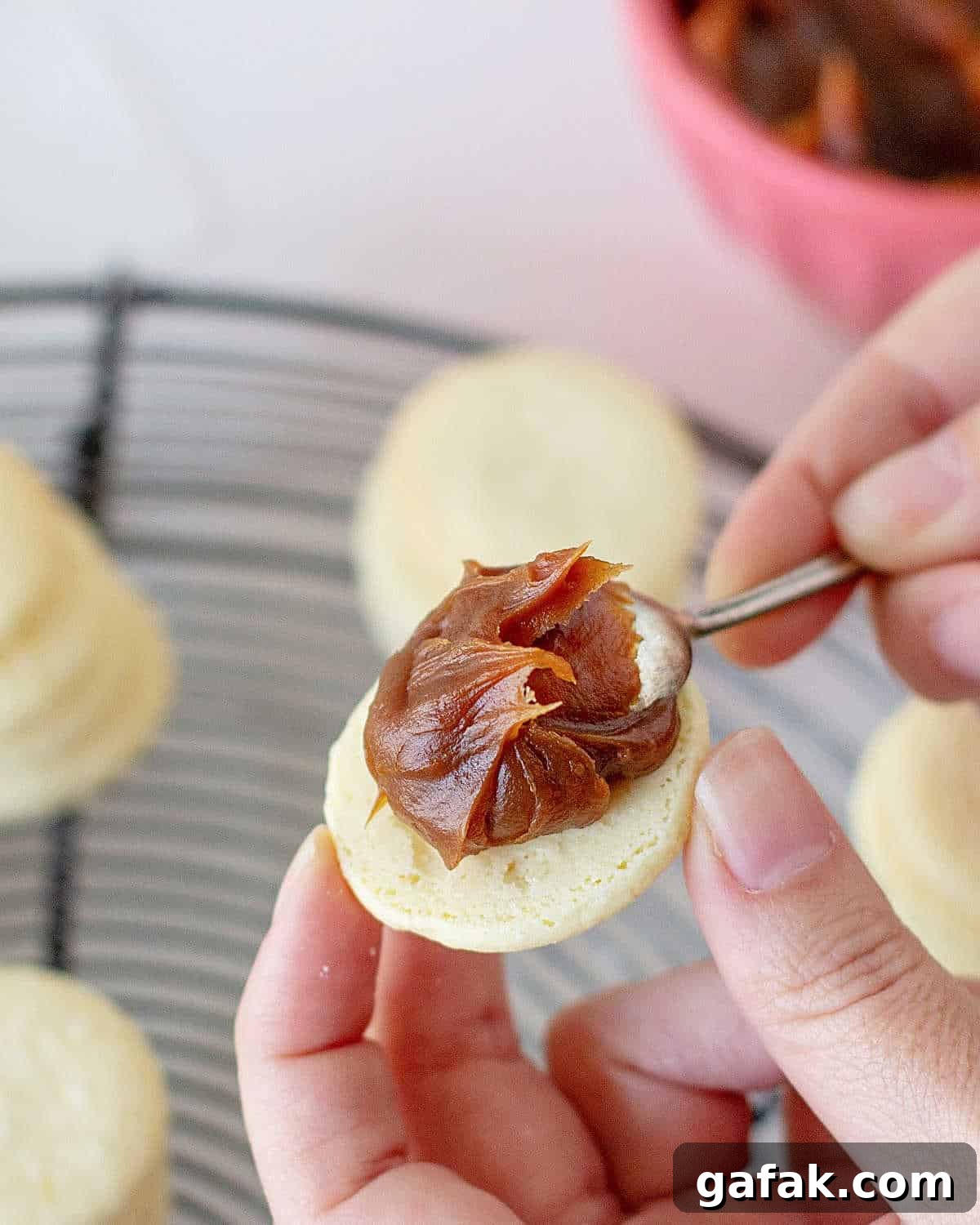
- Use a teaspoon or piping bag to place about a tablespoon of dulce de leche on the flat side of one cookie, then press a second cookie on top.
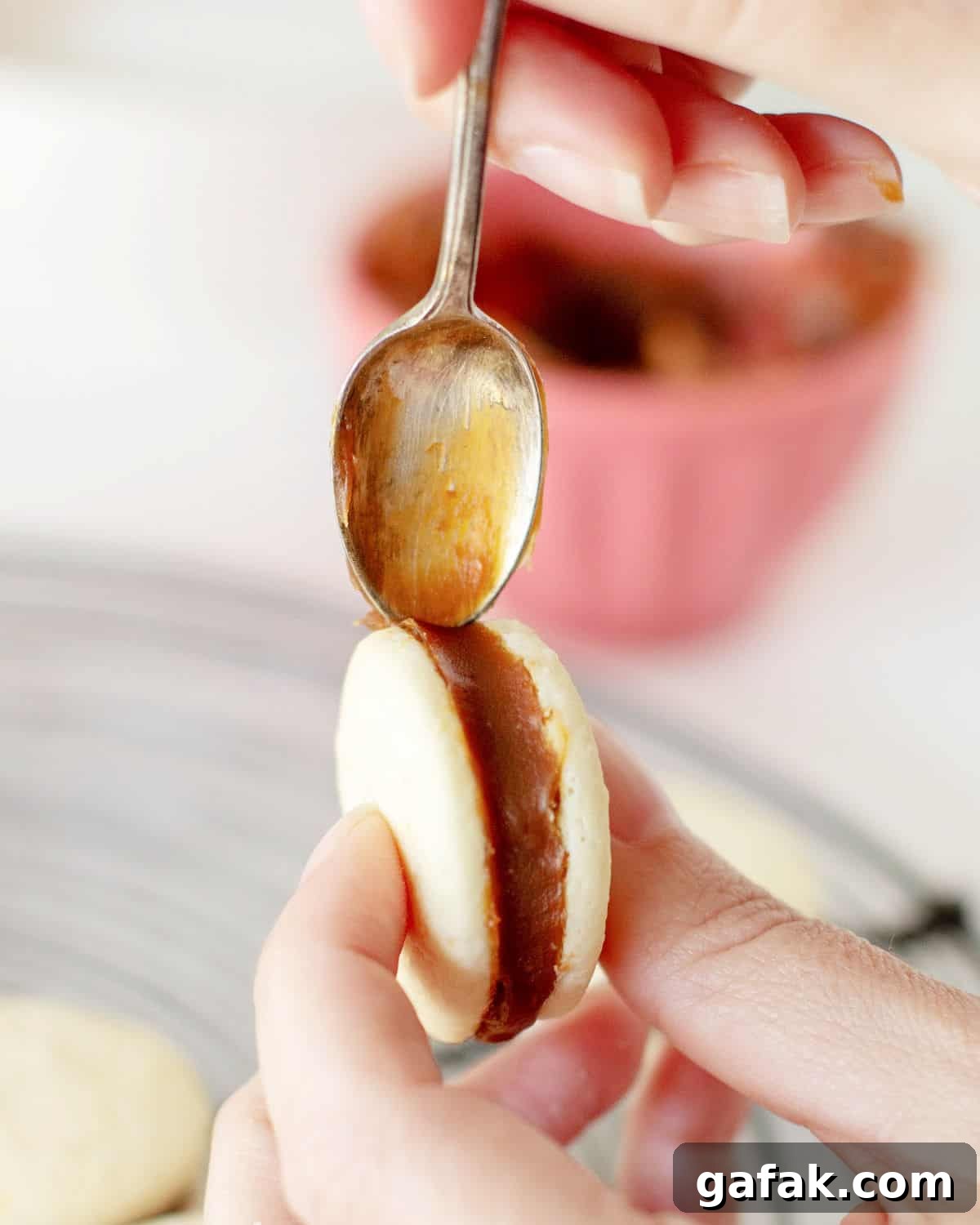
- Smooth edges: wipe any overflow with the back of a small spoon to even out the filling and help coatings adhere.
Rolling in coconut
Traditionally, the sides of alfajores are rolled in unsweetened shredded coconut. Coconut and dulce de leche complement each other beautifully, but this step is optional. If you enjoy the contrast of texture and flavor, roll the edges in coconut; otherwise leave them plain.
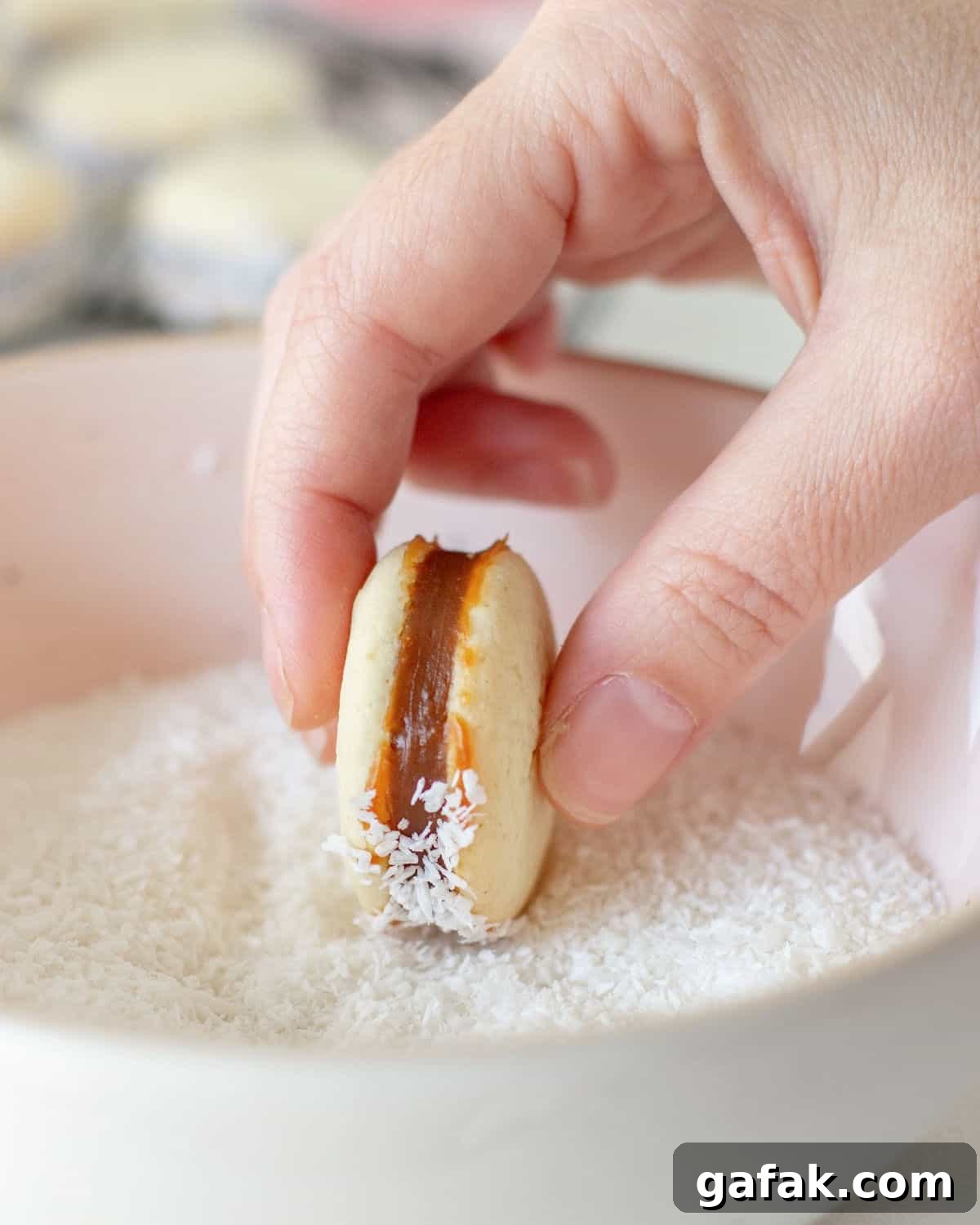
Kitchen Notes
- Be organized: read the recipe through, gather ingredients at the right temperature, and have utensils ready before you begin.
- Baking times vary: ovens and pans differ; use times as a guide and watch for the cookies to just begin to color. An oven thermometer helps ensure accurate temperature.
- Make-ahead: the dough can be refrigerated for 4–5 days or frozen for up to a month if wrapped well to prevent drying.
- Storage: unfilled cookies keep in an airtight container about a week. Fill them a few hours before serving so the dulce de leche softens the cookie slightly for the best texture.
- Enjoy: bake, assemble, and savor — these cookies are meant to be shared and enjoyed.
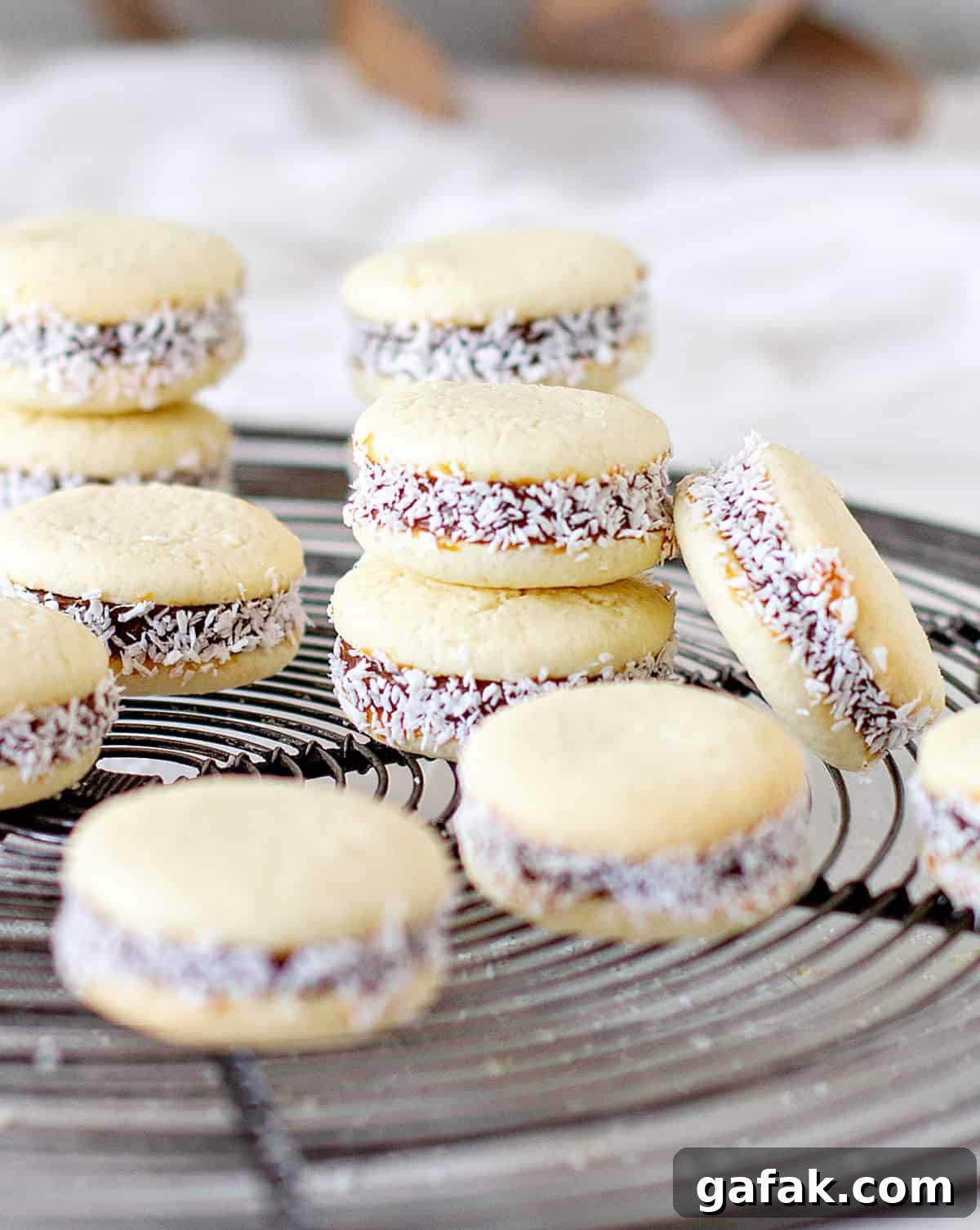
I hope you try this classic recipe for cornstarch alfajores. The dough is easy to handle and the finished cookies are irresistibly tasty. For many, they quickly become a favorite.
If you make these alfajores and enjoy them, feel free to leave feedback. If something didn’t turn out as expected, note the issue so you can adjust for better results next time.
As an Amazon Associate, I may earn from qualifying purchases.
Alfajores Recipe (Argentinian cornstarch cookies)
Ingredients
- 11 tablespoons unsalted butter (½ cup + 3 tablespoons), room temperature
- 1 cup sugar
- 2 egg yolks, room temperature
- 1 egg, room temperature
- 1 tablespoon cognac, brandy, or whiskey (optional)
- ½ teaspoon vanilla extract
- ¼ teaspoon lemon zest
- 1 cup all-purpose flour, sifted
- 2 cups cornstarch
- ½ teaspoon baking powder
- Pinch of salt
- 1 cup pastry dulce de leche (repostero), thick variety
- ½ cup unsweetened shredded coconut for rolling (optional)
Instructions
- Cream 11 tablespoons unsalted butter and 1 cup sugar in a large bowl until very smooth using a spatula or mixer.
- Add 2 egg yolks and 1 whole egg and mix until incorporated.
- Stir in 1 tablespoon cognac (optional), ½ teaspoon vanilla, and ¼ teaspoon lemon zest.
- Gradually add the sifted 1 cup all-purpose flour, ½ teaspoon baking powder, a pinch of salt, and 2 cups cornstarch. Mix until no dry streaks remain. The dough should be soft and silky but not sticky.
- Form the dough into a disc, wrap in plastic, and chill for 30 minutes. It can be refrigerated up to 3 days or frozen for a month if well wrapped.
- Preheat the oven to 325°F (170°C).
- On a floured surface, roll the dough to about ½ cm (¼ inch) thickness and cut rounds with a cookie cutter. Place on buttered trays or a Silpat.
- Gather scraps, reroll, and cut until the dough is used up.
- Bake 10–12 minutes, until the cookies are just starting to color. Cool completely on a wire rack.
- Pipe or spoon about 1 tablespoon of pastry dulce de leche onto the flat side of one cookie and top with another to form a sandwich.
- Wipe any excess dulce de leche from the edges with the back of a spoon so coatings will stick.
- Roll the edges in shredded coconut if desired, or leave them plain. Serve and enjoy.
Notes
Make-ahead: Dough can be kept 4–5 days in the fridge or frozen for up to a month. Wrap tightly to prevent drying.
Storage: Unfilled cookies keep about a week in an airtight container. Fill them a few hours before serving so the dulce de leche softens the cookie slightly.
Size & thickness: Make rounds from about 2 to 4 inches and experiment until you find your preferred size.
Did you try this recipe?Let me know in the comments below!