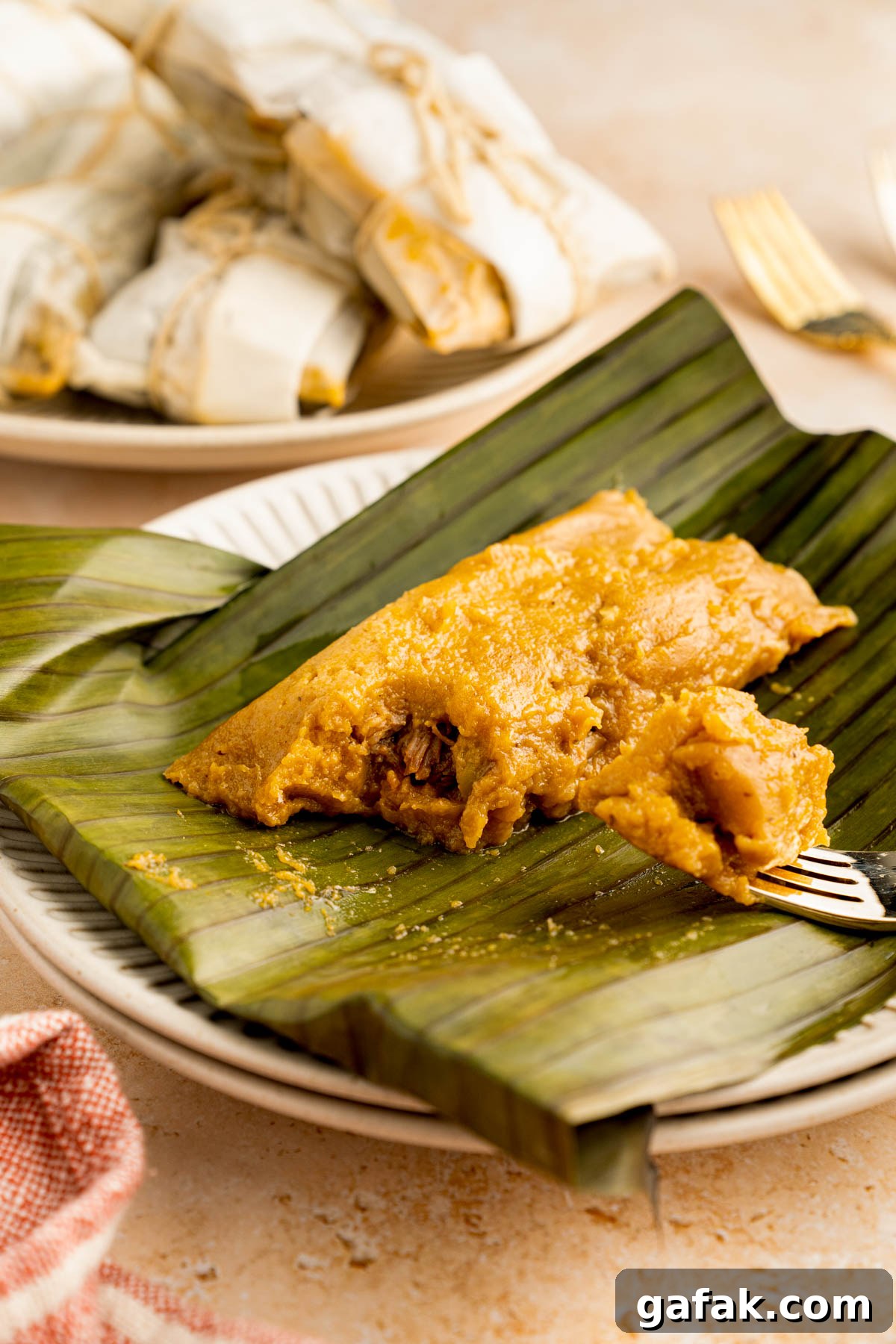
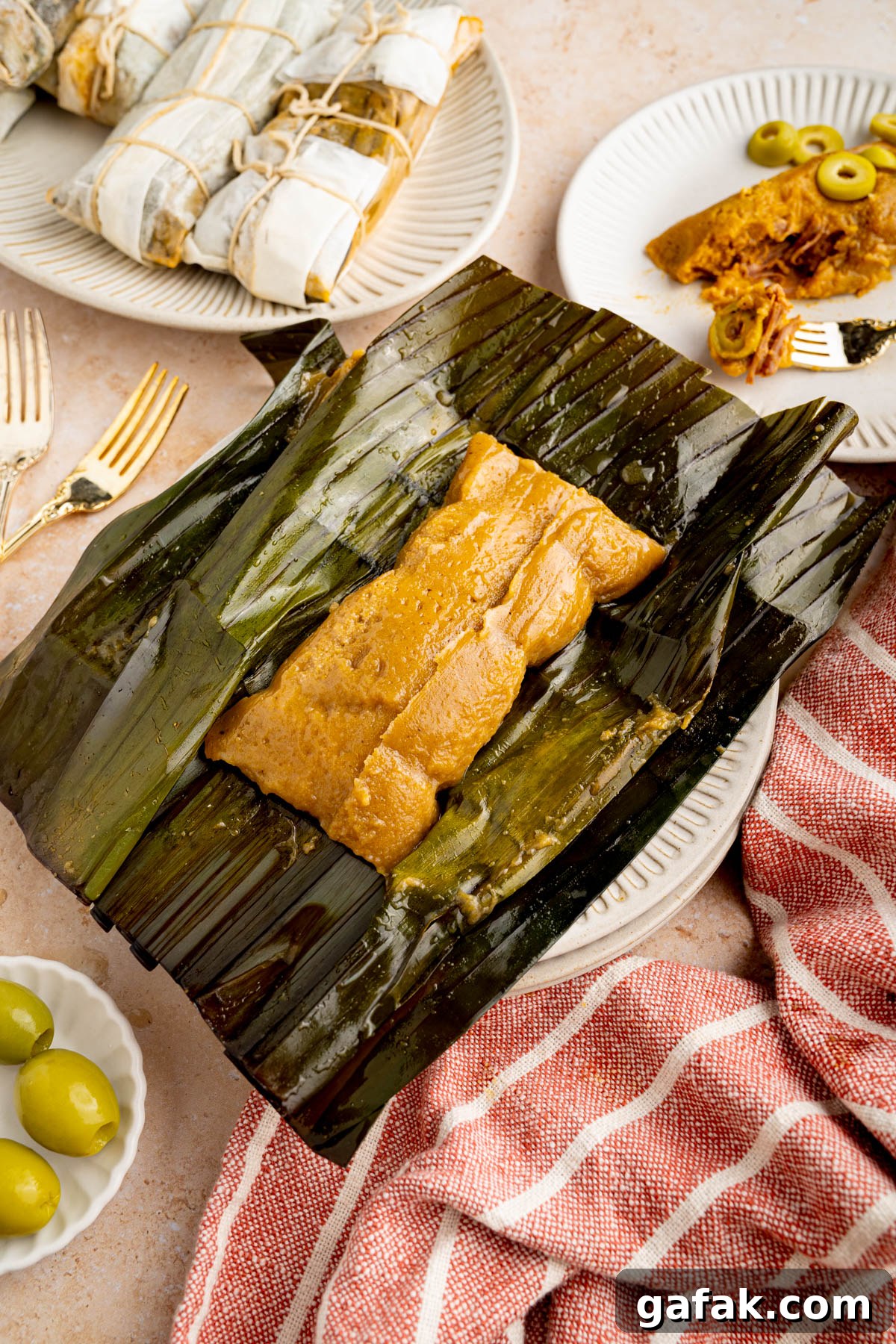
Puerto Rican Pasteles are tender masa parcels filled with well-seasoned pork and wrapped in banana leaves for deep, authentic flavor. They require time and effort, but the rich results are worth it for any holiday table.
Warm and comforting, pasteles combine a silky masa with savory sofrito-scented pork. This holiday favorite is a Puerto Rican tradition that evokes family gatherings and festive celebrations. One bite brings the flavors of home to the table.
The masa blends green bananas, batata (Caribbean sweet potato), malanga (yautía), and kabocha squash into a smooth, flavorful dough. The seasoned pork is layered on top of the masa, then each bundle is wrapped in banana leaves and cooked until tender and aromatic.
Pasteles are excellent on their own or served alongside classic Puerto Rican dishes such as Arroz con Gandules, Rabo Guisado, or Coquito.
Pasteles – A Puerto Rican Holiday Tradition
Made with pork, green bananas, squash, root vegetables, and a blend of seasonings, Puerto Rican pasteles are a flavorful, textured dish that celebrates seasonal gatherings. Because making pasteles is labor-intensive, it’s common for families to prepare them together as part of holiday traditions.
The process is a labor of love: the combination of flavors and textures makes the effort worthwhile. Invite family and friends to join the process during the Christmas season to make this time-honored dish.
Reasons to try this authentic recipe:
- Perfect for gatherings: Pasteles are special and make an excellent centerpiece for holiday meals. This recipe yields about 16 pasteles, enough for a crowd.
- Distinctive flavors: Ingredients like annatto (achiote), malanga, and sazón add depth and authenticity to the dish.
- Easy to scale: Because the recipe is time-consuming, doubling or tripling the ingredients is ideal for large groups or for freezing extra pasteles for later.
Ingredients You Need
Most ingredients can be found at Latin or Caribbean markets.
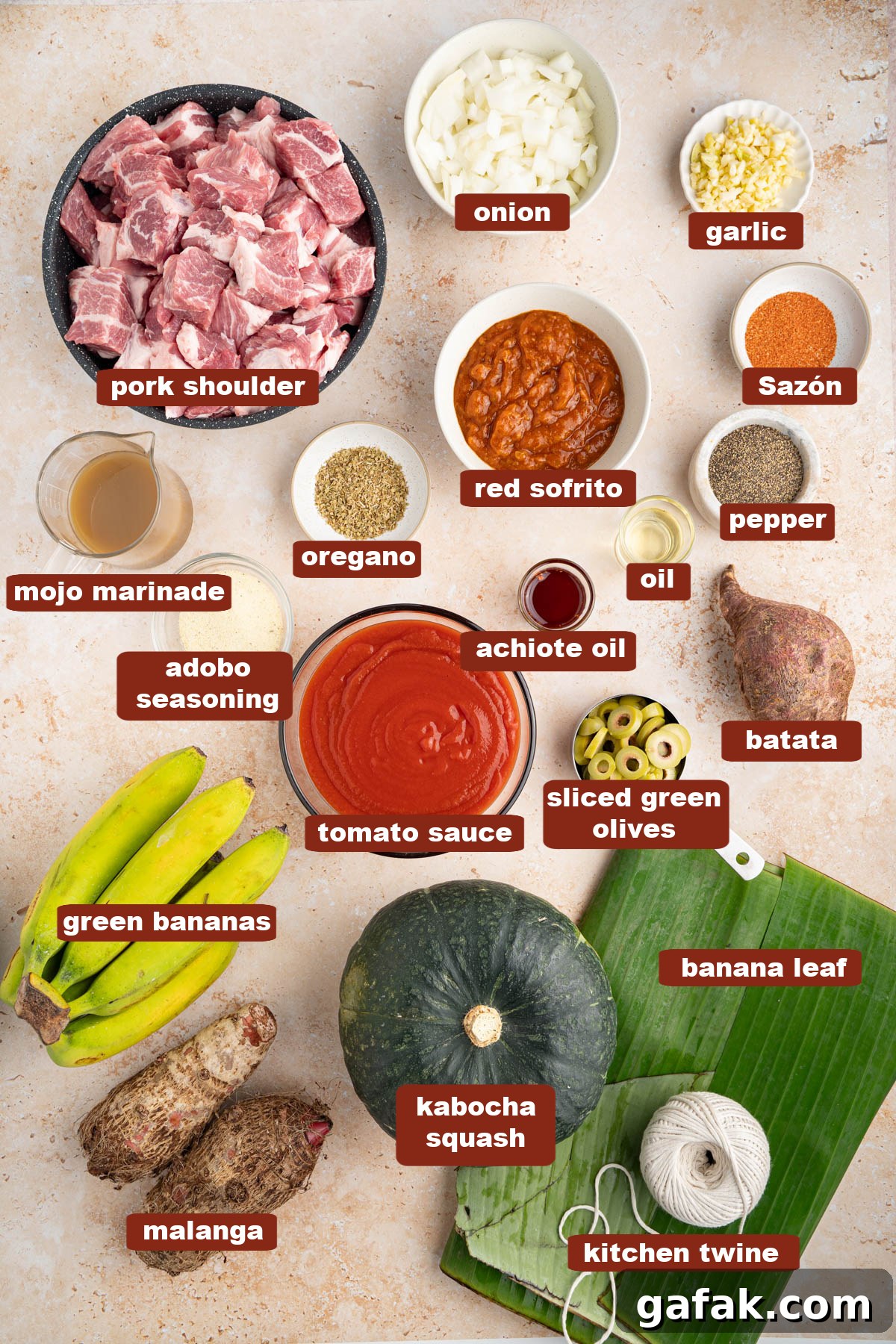
- Boneless pork shoulder – A fatty cut that becomes tender and shreddable.
- Red sofrito – Use homemade or store-bought for the pork base.
- Sazón packets – A seasoning blend often containing annatto, coriander, cumin, and garlic.
- Dried oregano – Adds an herbaceous note to the pork.
- Mojo marinade – Citrus-forward and acidic, it helps tenderize and flavor the meat.
- Adobo seasoning – A staple Latin seasoning blend for savory depth.
- Achiote oil – Oil infused with annatto for color and mild flavor.
- Tomato sauce – Adds body and acidity to the pork cooking liquid.
- Green olives – Provide a salty, briny contrast.
- Green bananas – Less sweet than ripe bananas, ideal for savory masa.
- Malanga (yautía) – A starchy root that blends smoothly into the masa.
- Kabocha squash – Sweet and creamy, it purees well for the masa.
- Batata – Caribbean sweet potato, adds color and sweetness.
- Banana leaves – Used to wrap the pasteles into parcels for cooking.
How to Make Puerto Rican Pasteles
Pasteles take time but can be made as a family project or prepared in stages over two days. You can marinate and cook the pork ahead of time, and prepare the masa in advance and refrigerate until assembly.
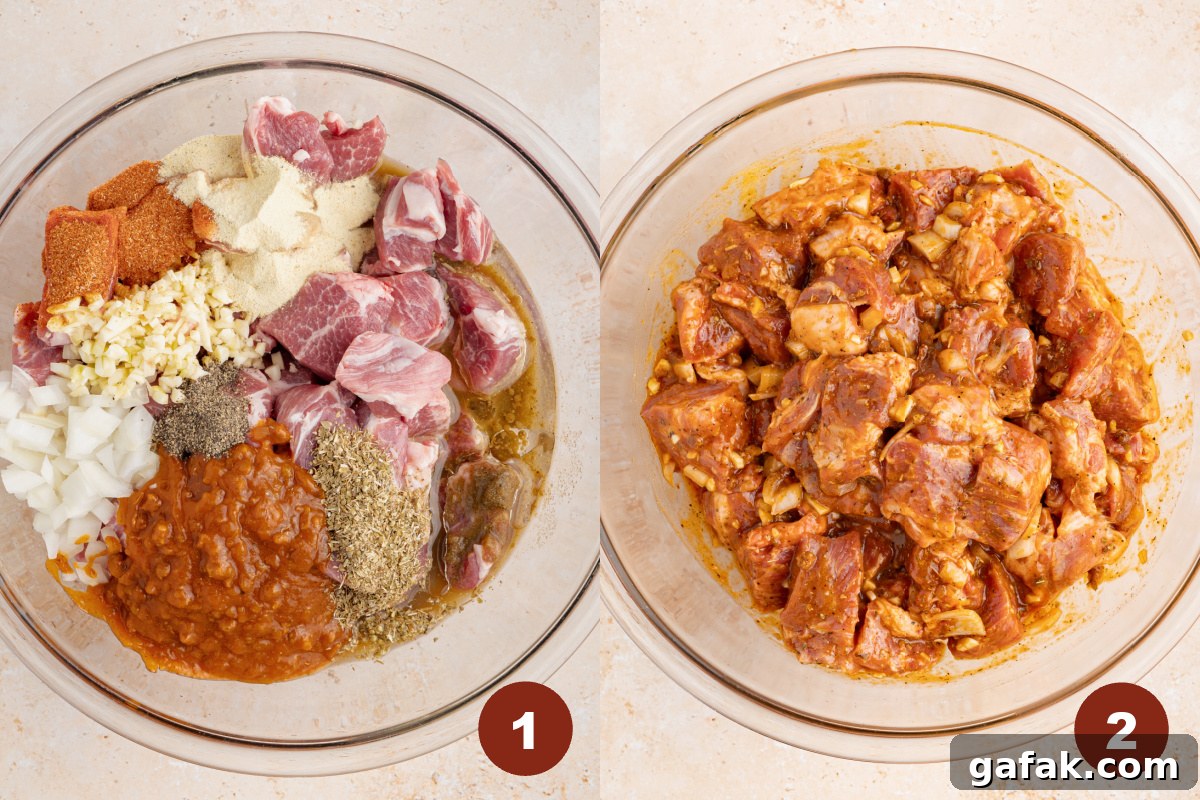
- Marinate the pork: Combine cubed pork with onion, sofrito, garlic, sazón, oregano, mojo marinade, adobo, black pepper, and oil. Mix, cover, and refrigerate overnight.
- Prepare achiote oil: Heat oil with annatto powder for a few minutes, then strain the solids to make a colorful flavored oil.
- Cook the pork: Heat achiote oil in a pot, sauté onion and sofrito for a couple minutes, add tomato sauce and marinated pork, and cook briefly. Add water, cover, and simmer 1½–2 hours until tender. Stir in olives and shred the pork slightly, leaving small chunks. Taste and adjust seasonings before assembling.
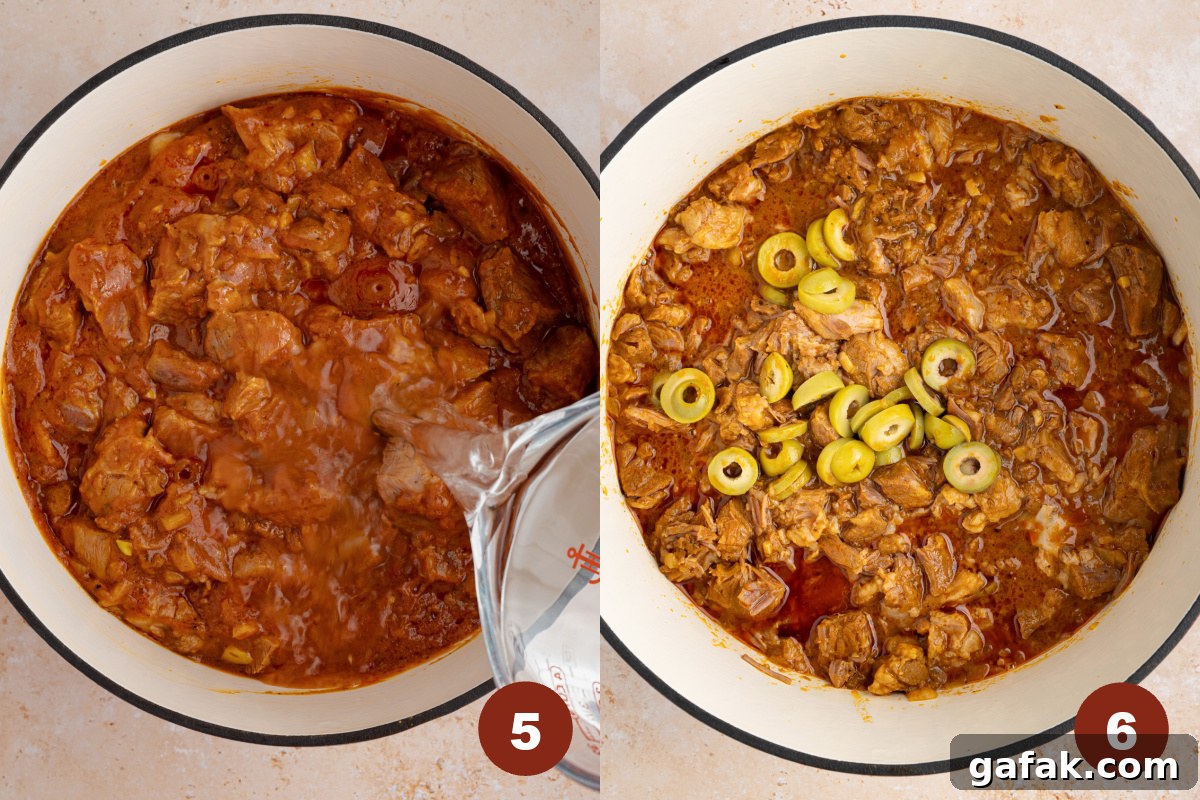
Tip: Taste the pork filling and adjust salt, pepper, or other seasonings before assembly.
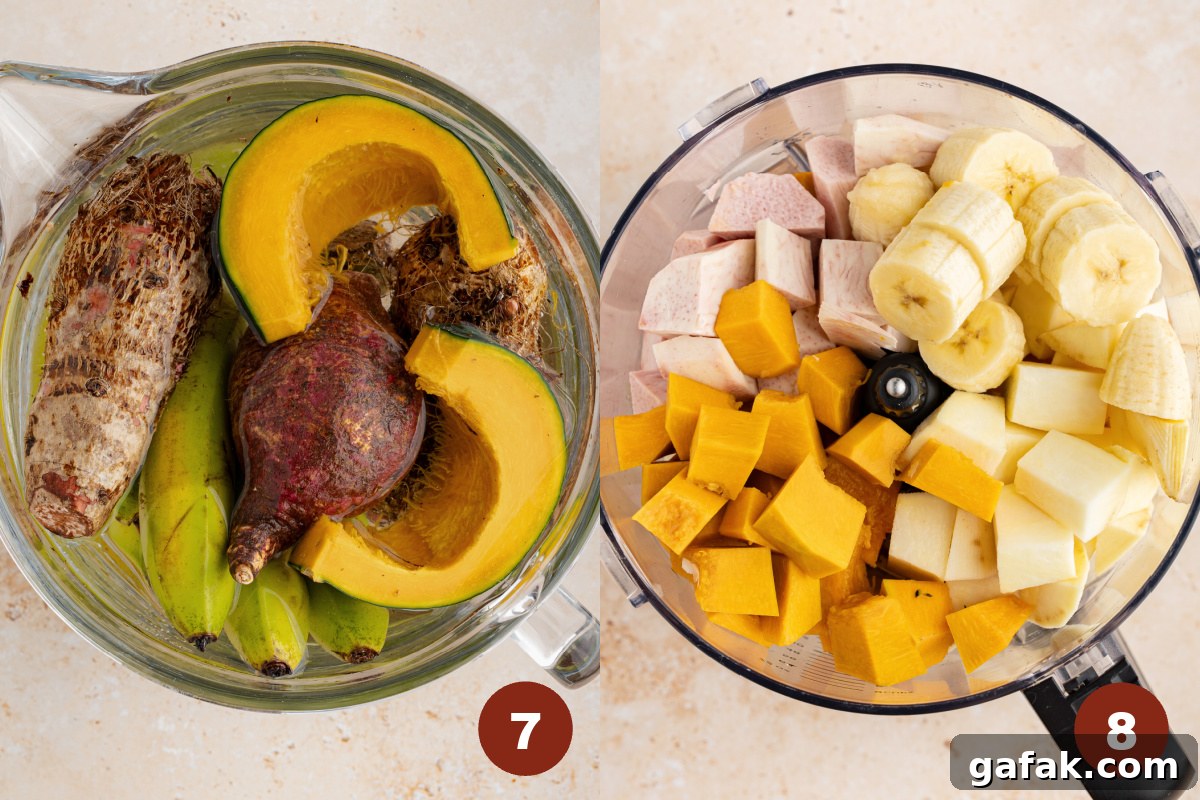
- Prepare the masa: Soak green bananas, malanga, kabocha, and batata in water 10–15 minutes with skins on, then peel. Cut into chunks and process in a food processor until smooth. Soaking helps achieve a smoother masa.
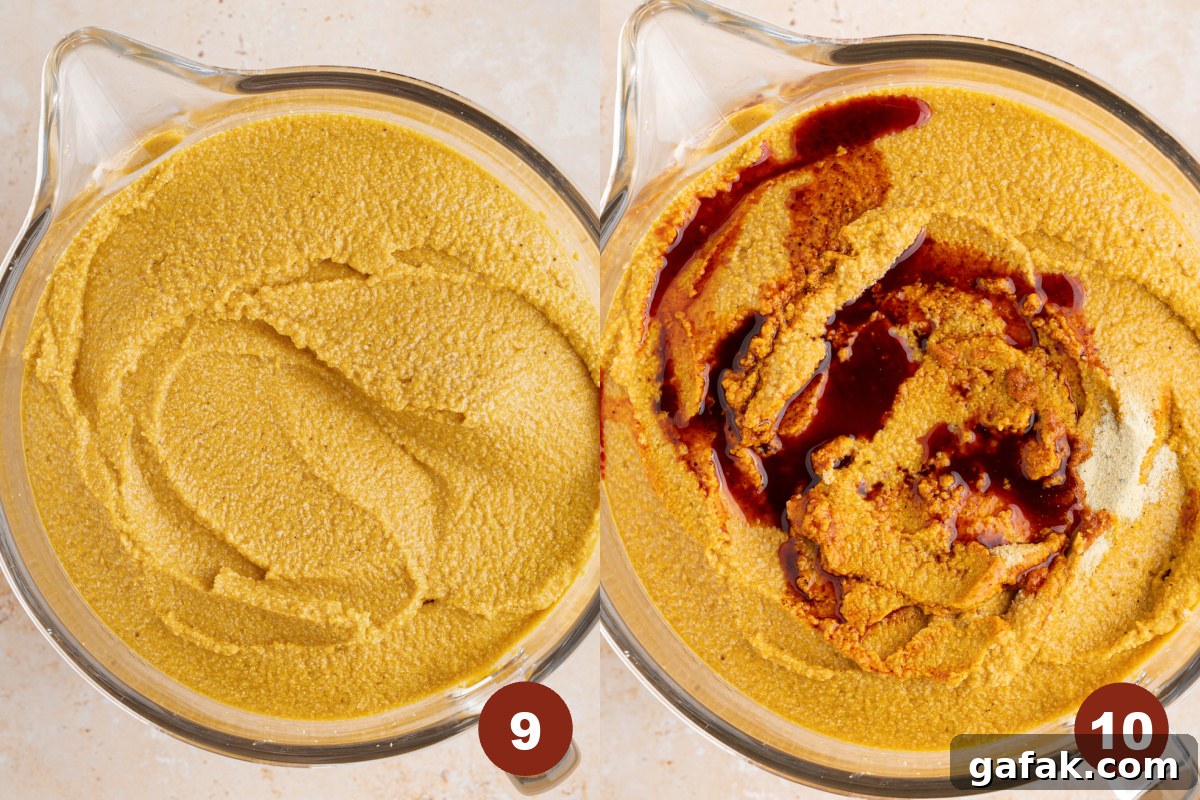
- Transfer the pureed vegetables to a bowl and mix in achiote oil and adobo until uniform.
- Prepare banana leaves and parchment: Soften banana leaves over a flame or in hot water and dry thoroughly. Cut into rectangles about 12×12 inches (or the size you prefer). Cut parchment slightly larger than the leaves. Brush each leaf with achiote oil.
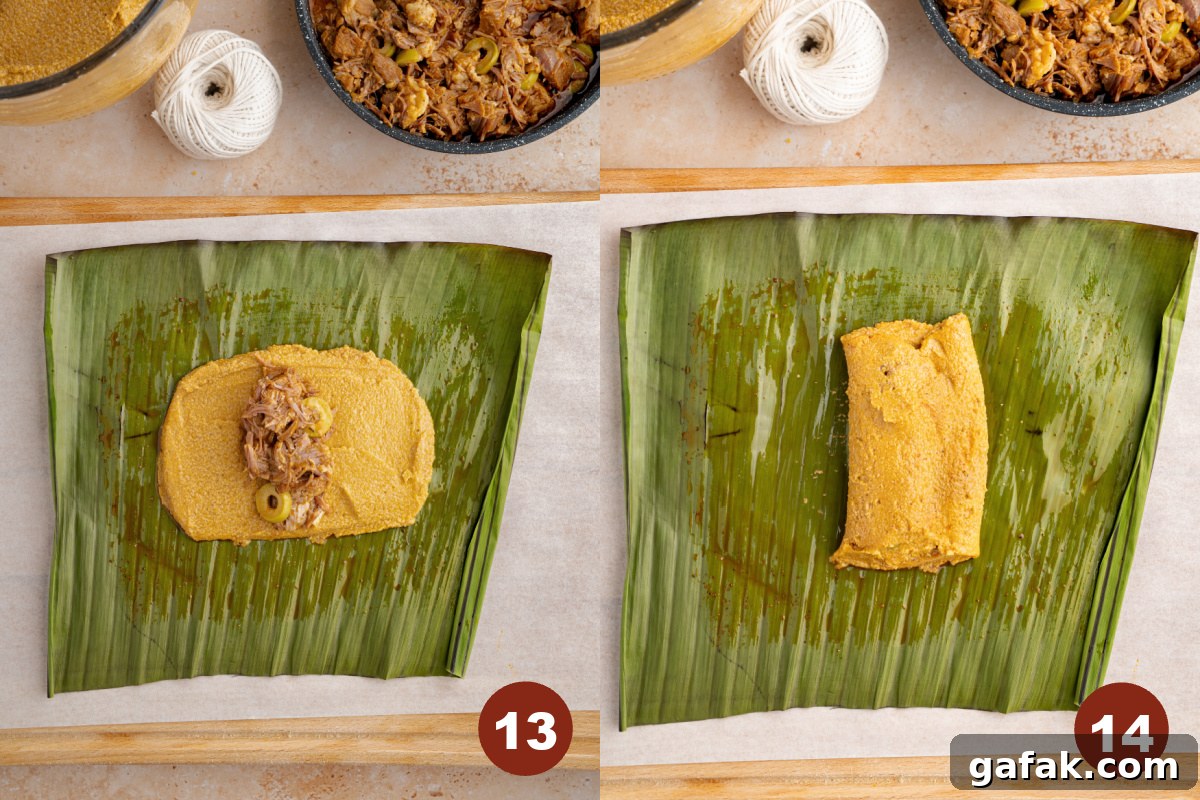
- Assemble pasteles: Place a leaf on a sheet of parchment. Spread 1/4 to 1/2 cup masa in the center, top with 2 tablespoons to 1/4 cup pork filling, then fold the masa over to cover the pork.
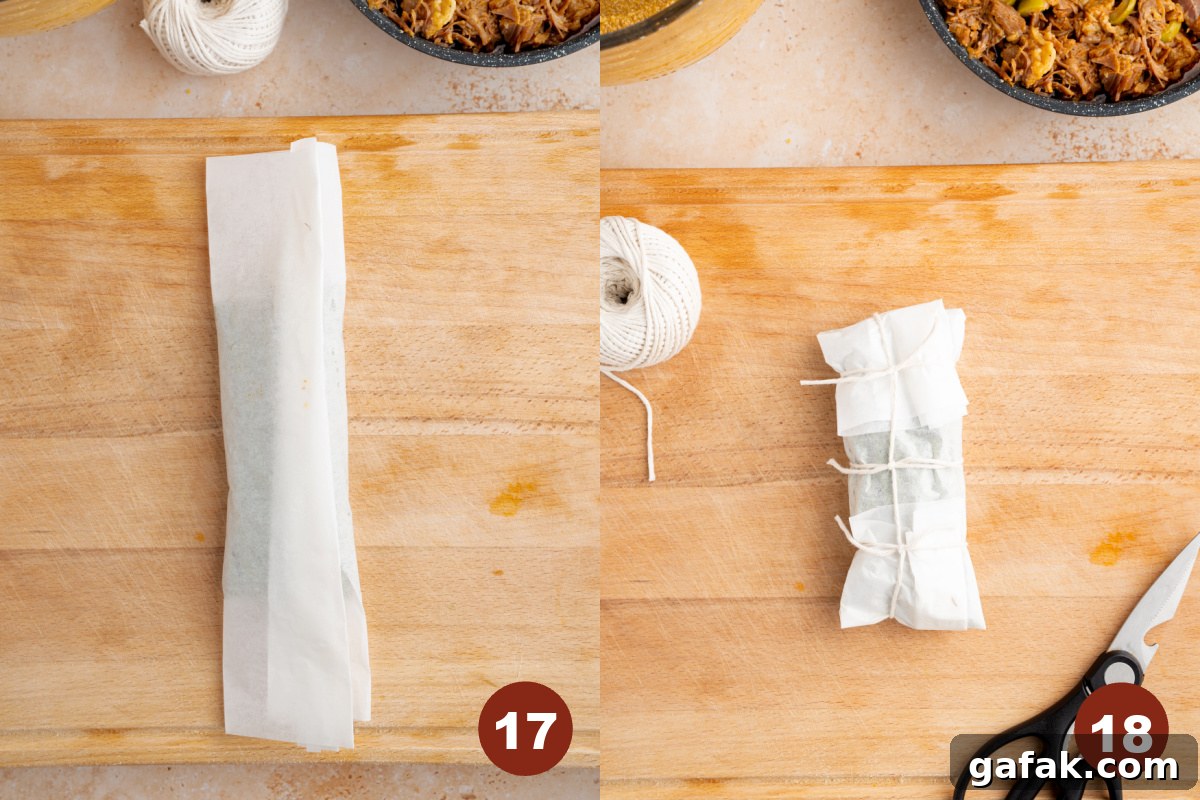
- Fold the long sides of the leaf and parchment together, then fold the short sides inward to form a snug rectangle. Ensure the banana leaf is fully enclosed by the parchment. Secure each pastel (or two together) with kitchen twine.
- Cook the pasteles: For fresh pasteles, boil in a large pot of water for about 45 minutes. If cooking from frozen, boil for about 1 hour 15 minutes. Drain and let rest a few minutes before unwrapping.
Expert Tips
- Taste and adjust: Sample the masa and the pork fillings individually before assembling so you can fine-tune the seasonings.
- Use parchment: Wrapping pasteles in parchment around the banana leaf makes them easier to handle and protects the leaf during boiling.
Recipe FAQs
Pasteles typically contain a protein such as pork or chicken and a masa made from starchy vegetables and green bananas or plantains. This recipe uses pork shoulder and a masa of green bananas, kabocha, malanga, and batata. Banana leaves are used to wrap each parcel.
Both are filled bundles, but pasteles are Puerto Rican and made with a vegetable-based masa wrapped in banana leaves, while tamales are Mexican and use corn masa wrapped in corn husks. The fillings and seasonings also differ by tradition and region.
In Puerto Rico, pasteles are often enjoyed with ketchup, hot sauce, or alongside rice and beans and other holiday dishes.
Pork shoulder is preferred because its higher fat content yields more flavor and tender, shreddable meat after long cooking.
How to Store Pasteles
Let pasteles cool completely before storing. Refrigerate in an airtight container for up to 5 days. For longer storage, wrap individually in plastic wrap or foil and place in a sealed freezer bag; use within 2–3 months for best quality. Reheat by boiling from frozen or thawed, following the recommended cooking times.
Puerto Rican Pasteles
Ingredients
Pork & Marinade
- 3 pounds boneless pork shoulder, cut into 1-inch cubes
- 1/2 cup diced yellow onion
- 1/2 cup red sofrito
- 2 tablespoons minced garlic
- 2 sazón packets (with achiote)
- 3 teaspoons dried oregano
- 1/2 cup mojo marinade
- 3 tablespoons adobo seasoning
- 1 teaspoon ground black pepper
- 3 tablespoons vegetable oil
For Cooking the Pork
- 3 tablespoons vegetable oil
- 1 tablespoon annatto powder
- 1/2 cup diced yellow onion
- 1/2 cup red sofrito
- 15 ounces tomato sauce
- 3 cups water
- 1/2 cup sliced green olives with liquid
Masa
- 12 green bananas, peeled
- 2 pounds malanga (yautía)
- 1/2 kabocha squash (about 2 pounds), peeled and cut
- 1 large batata (Caribbean sweet potato)
- 2 tablespoons achiote oil
- 2 teaspoons adobo seasoning
Wrapping & Cooking
- Banana leaves, cut into rectangles (about 12×12 inches or preferred size)
- Parchment paper sheets (slightly larger than the leaves)
- Kitchen twine
- Achiote oil for brushing the leaves (about 3/4 cup total)
Instructions
Marinate the pork overnight:
- Combine pork cubes with onion, sofrito, garlic, sazón, oregano, mojo, adobo, black pepper, and oil. Mix well, cover, and refrigerate overnight.
Cook the pork:
- Make achiote oil by heating oil with annatto powder for 2–3 minutes, then strain.
- Heat achiote oil in a pot, add onion and sofrito and cook 2 minutes. Stir in tomato sauce and the marinated pork and cook 5–7 minutes.
- Add 3 cups water, cover, and simmer 1½–2 hours until pork is tender. Add sliced olives and lightly shred the pork, keeping small chunks.
Prepare the masa:
- Soak bananas, malanga, kabocha, and batata in water 10–15 minutes with skins on, then peel. Cut into chunks and process until smooth.
- Place the puree in a bowl and stir in achiote oil and adobo until smooth and uniform.
Assemble Pasteles
- Soften banana leaves over flame or in hot water, then dry and cut into rectangles. Cut parchment slightly larger than the leaves and brush each leaf with achiote oil.
- Place a leaf on parchment, spread 1/4–1/2 cup masa in the center, top with 2 tablespoons–1/4 cup pork filling, and fold the masa over the pork.
- Fold the long sides and then the short sides to make a snug rectangle, ensuring the leaf is enclosed by parchment. Tie each pastel with kitchen twine.
Cook & Store
- Fresh: Boil bundles in a large pot for 45 minutes.
- Frozen: Boil 1 hour 15 minutes from frozen.
- Drain and rest a few minutes before unwrapping and serving.
Notes
- Leftover masa: Store leftover masa in an airtight container in the refrigerator up to 3 days or freeze for up to 2 months.