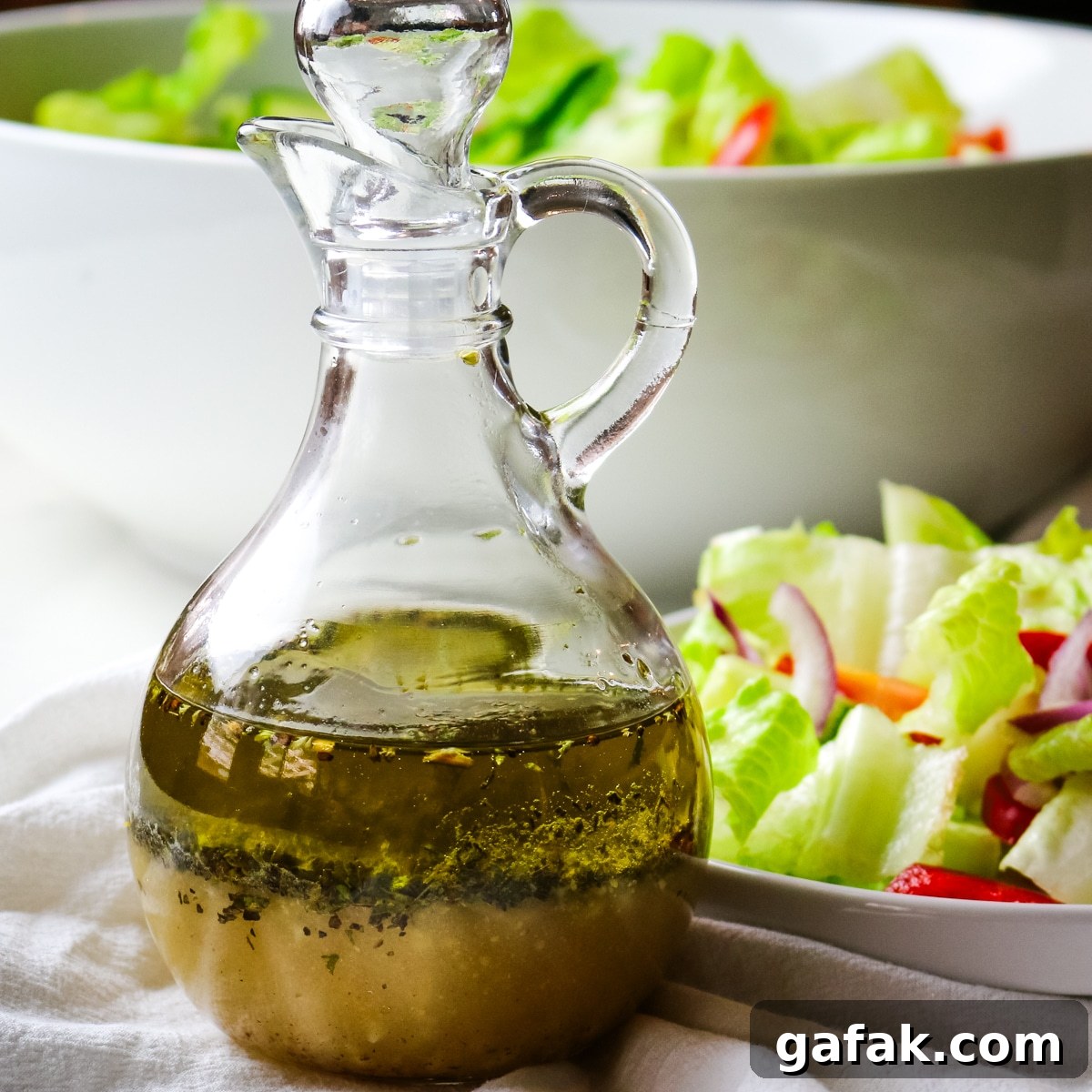
You will love the zesty, refreshing flavor of ladolemono, a classic Greek salad dressing. This bright vinaigrette blends fresh lemon with high-quality olive oil and a hint of garlic and herbs to give Mediterranean character to salads, roasted vegetables, grilled meats, or seafood.
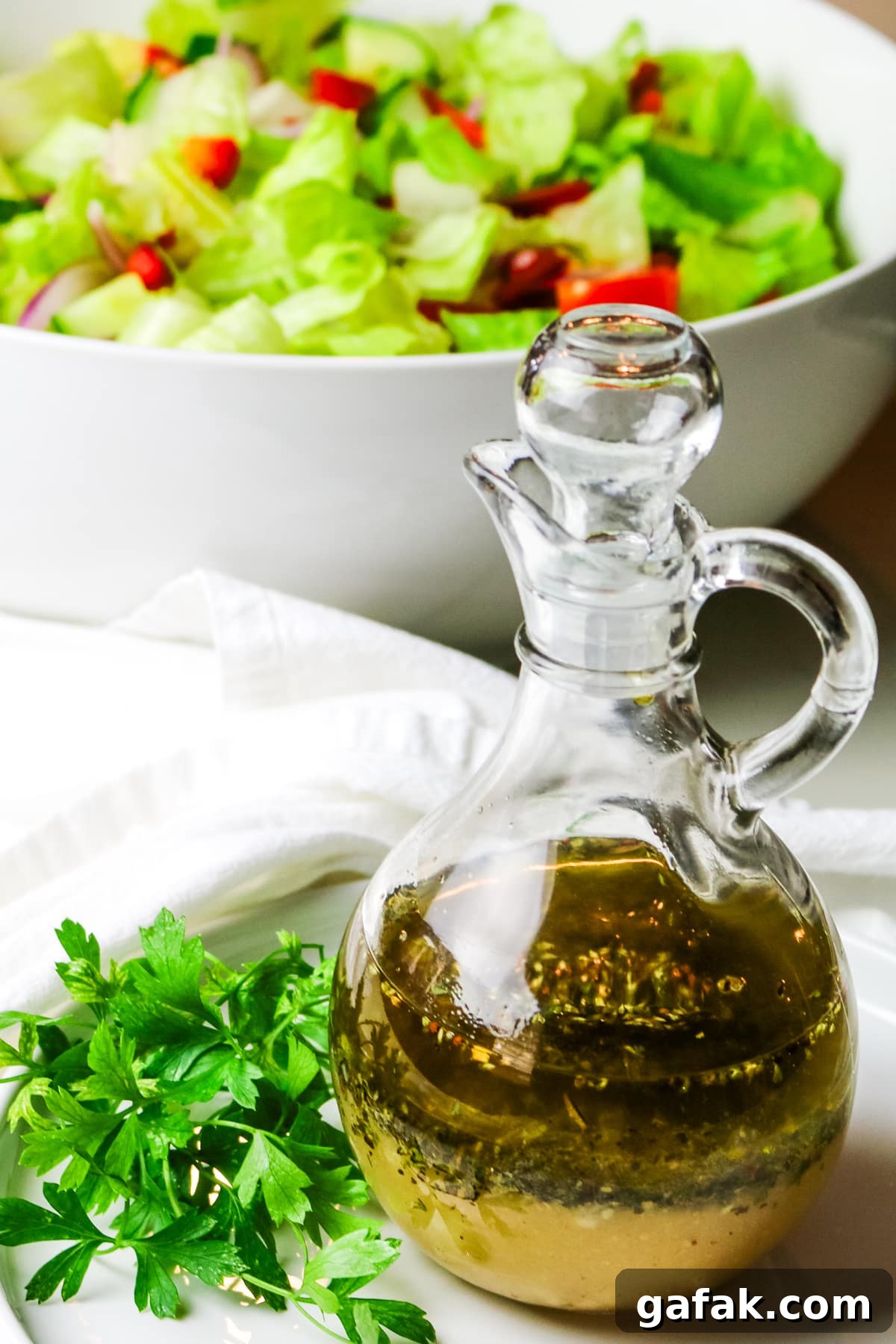
A great dressing can transform ordinary vegetables into a vibrant dish. Homemade ladolemono is simple to make, requires just a few pantry staples, and delivers clean, bright flavors that highlight your ingredients rather than masking them.
It comes together in minutes: olive oil provides a silky base, lemon juice adds lively acidity, and garlic and herbs supply savory depth. This dressing is easy to scale and easy to customize depending on how you like the balance of tang, oil, and seasoning.
Drizzle it over a pasta salad or a Greek tomato-and-cucumber salad, toss it with grains like millet or buckwheat for a light bowl, or use it as a quick marinade for chicken, fish, or roasted vegetables.
Why you’ll love this lemon and olive oil dressing
Refreshing Mediterranean flavor – Bright lemon and aromatic herbs create a lively, fresh dressing that lifts simple salads and cooked dishes.
Complete control over ingredients – Making it at home means you choose quality olive oil, the amount of salt, and whether to use fresh herbs or dried.
Versatile – Use ladolemono as a salad dressing, a marinade for meats and seafood, a dressing for grains, or a finishing drizzle for roasted vegetables.
Healthy and satisfying – Rich in heart-healthy olive oil and fresh ingredients, it’s an easy way to add flavor and beneficial fats to meals.
💭 Fun fact: "Ladolemono" literally means "oil and lemon" in Greek — a straightforward name that highlights the dressing's two primary ingredients: ladi (oil) and lemoni (lemon).
Ingredients
Prepare this simple ladolemono using everyday ingredients. Quantities are provided in the printable recipe card below.
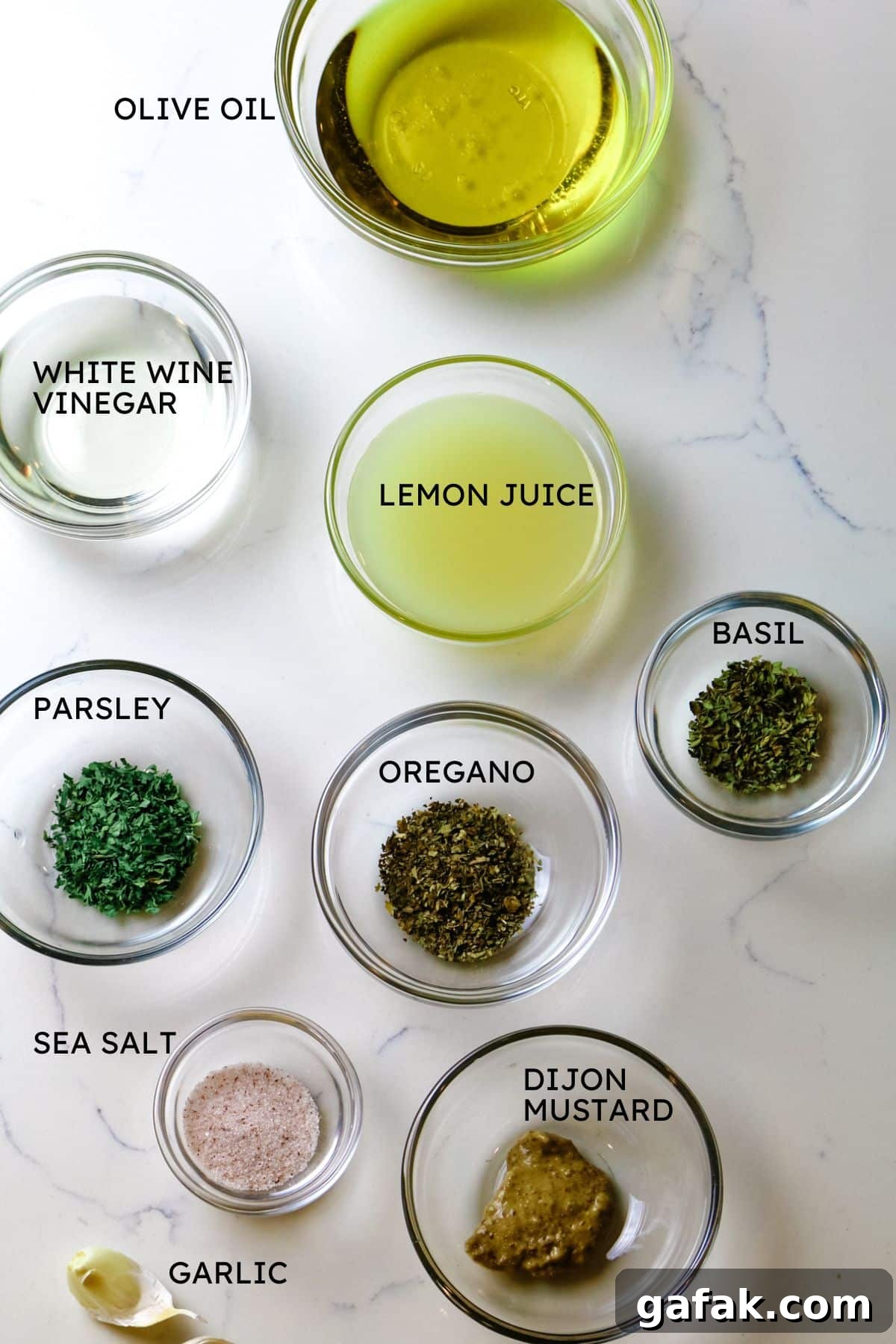
- Extra virgin olive oil – the base of the dressing; choose a flavorful oil for best results.
- Fresh lemon juice – provides bright acidity and citrus aroma.
- White wine vinegar (optional) – adds extra tang if you prefer a sharper acid profile; you can replace it with additional lemon juice.
- Dijon mustard – helps emulsify the dressing and adds subtle depth.
- Herbs – dried or fresh oregano, basil, and parsley work well; fresh herbs will produce a more vibrant result.
- Garlic – minced or pressed, for savory bite; add just before serving if storing the dressing long-term.
- Salt – balances and enhances the other flavors.
For exact measurements and nutritional details, see the printable recipe card further down the page.
Make it nutrient dense
Small choices make this simple dressing even more nutritious and flavorful:
- Choose high-quality extra virgin olive oil — it supplies healthy monounsaturated fats and antioxidants.
- Use extra garlic if you enjoy its flavor and benefits; allow minced garlic to rest a few minutes after chopping to maximize beneficial compounds.
- Use fresh herbs in place of dried when possible; they add aroma, flavor, and micronutrients.
- Consider fermented vinegar substitutes such as a splash of fermented vegetable brine for acidity and probiotics (if you want a tang with a probiotic boost).
Helpful Tips
Time-saving option: Use bottled concentrated lemon juice if fresh lemons aren’t available; check the label for additives.
Less cleanup: Assemble and emulsify the dressing directly in a wide-mouth jar and shake, or use an immersion blender for a smooth, stable emulsion.
Serve at room temperature: Allow refrigerated dressing to sit at room temperature for 20–30 minutes to let flavors open up and any solidified oil soften.
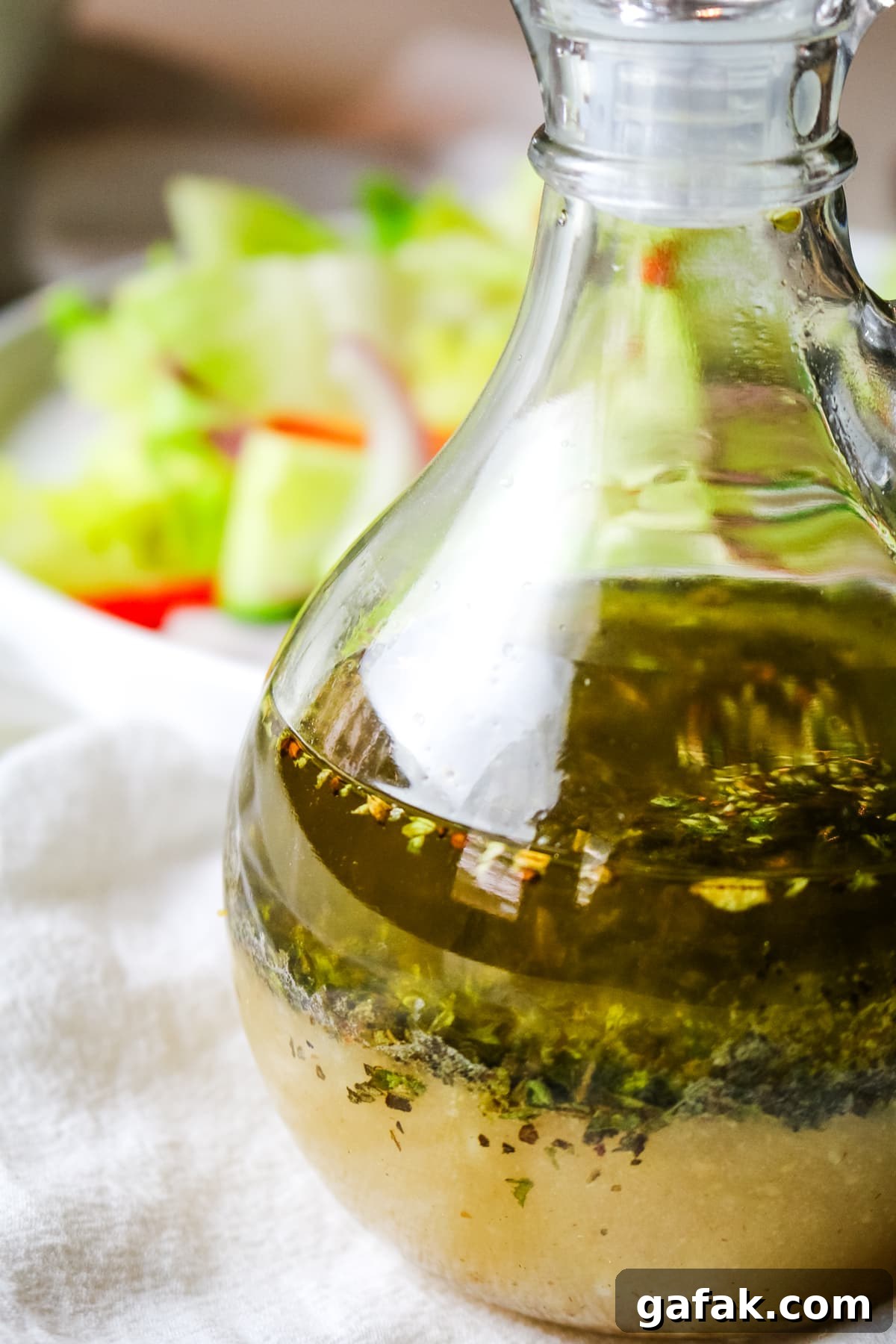
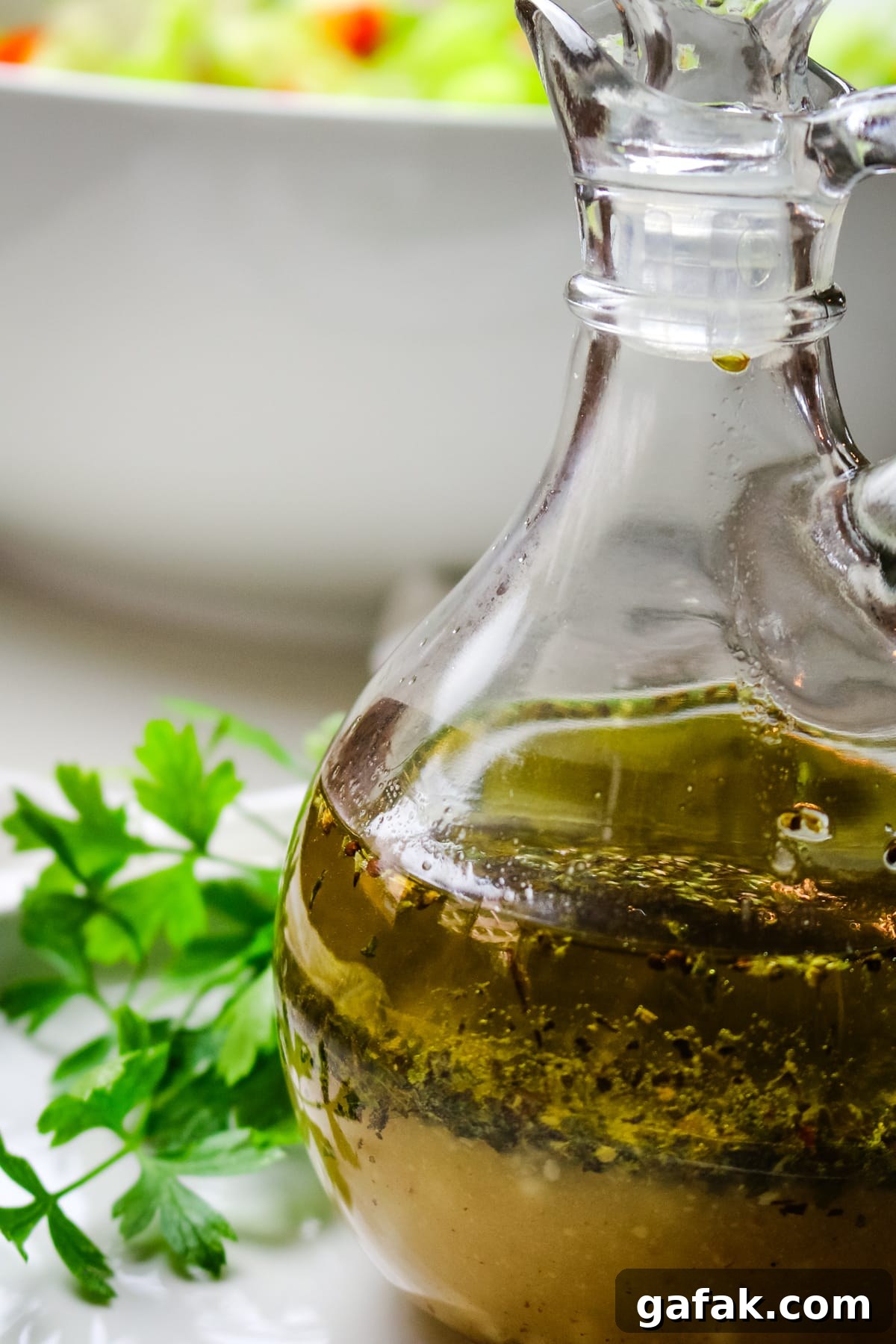
Shake before serving: The oil and lemon will separate over time; give the jar a quick shake to re-emulsify.
💭 Meal prep suggestion: Make a double batch but hold back the fresh garlic. Add minced garlic just before serving to avoid any harsh off-flavors from prolonged storage.
Step-by-Step Instructions
The printable recipe below includes exact quantities.
The method is straightforward and fast — add, then whisk or shake until combined:
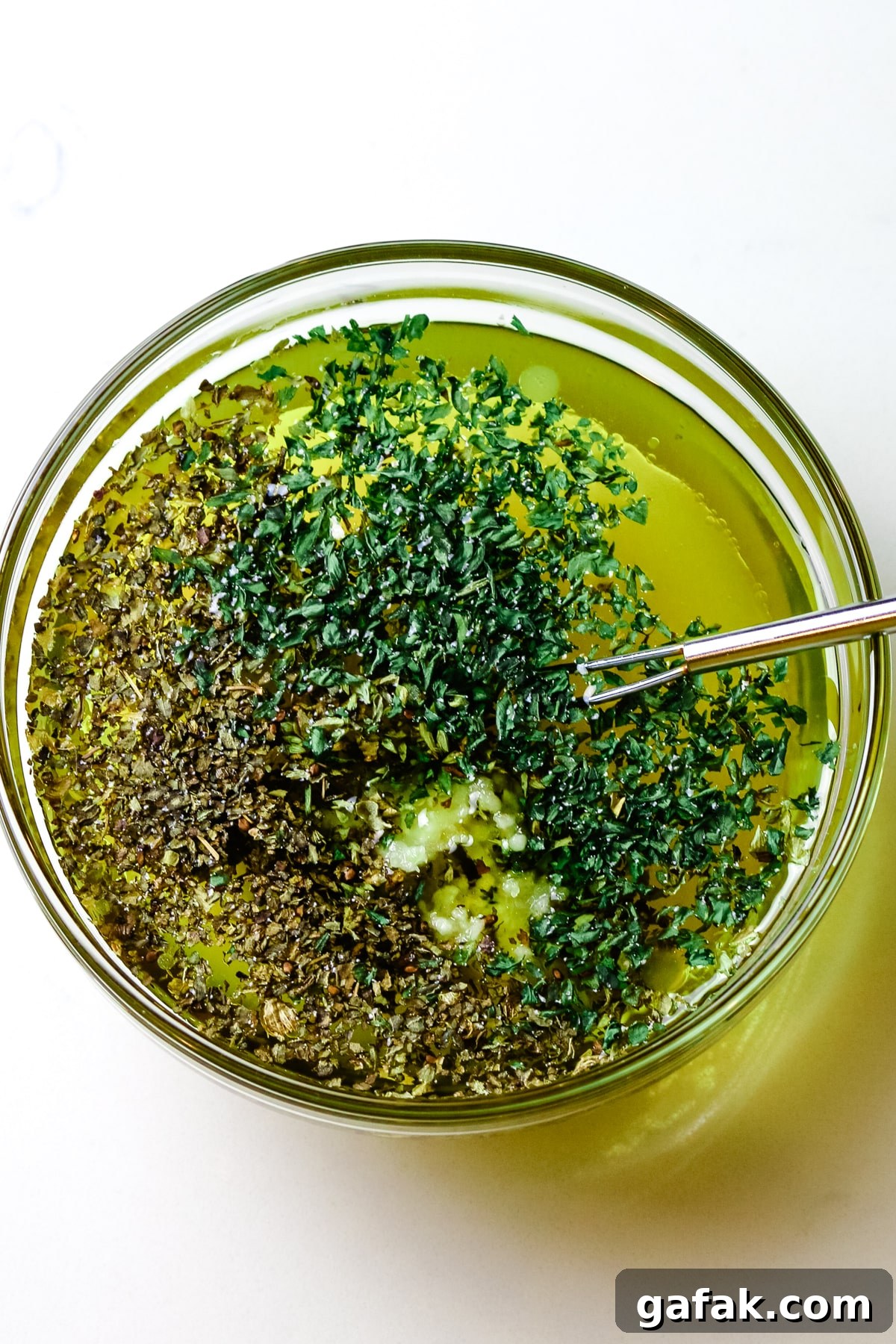
Step 1. Add
Put all ingredients into a small bowl, jar, or blender in the order listed.
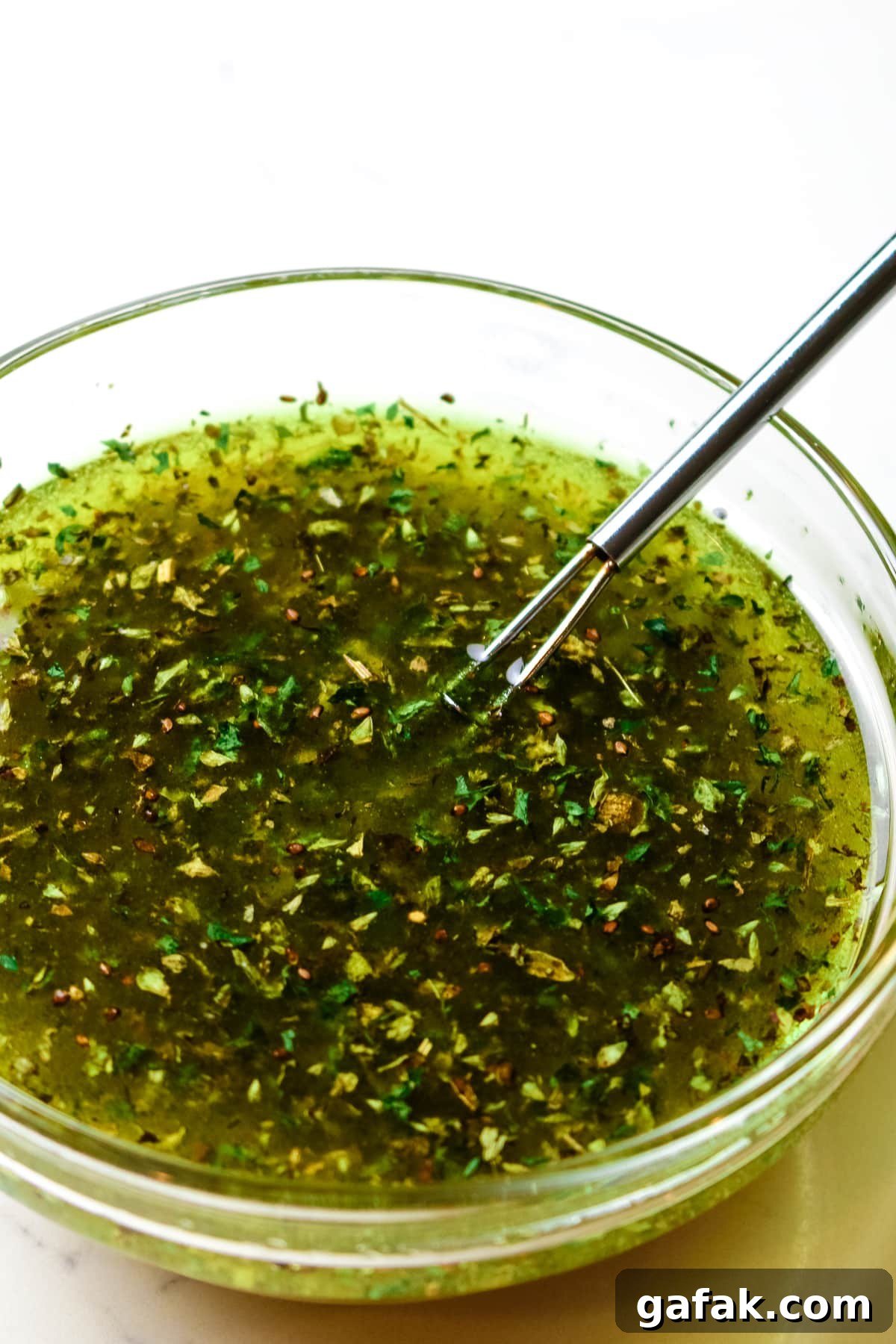
Step 2. Whisk or blend
Whisk vigorously until emulsified, shake the jar well, or blend with an immersion blender until the dressing becomes opaque and fully combined. Taste and adjust salt or lemon as needed.
💭 Pro tip: For a very stable emulsion, use an immersion blender or high-speed blender and blend until the mixture is opaque and smooth.
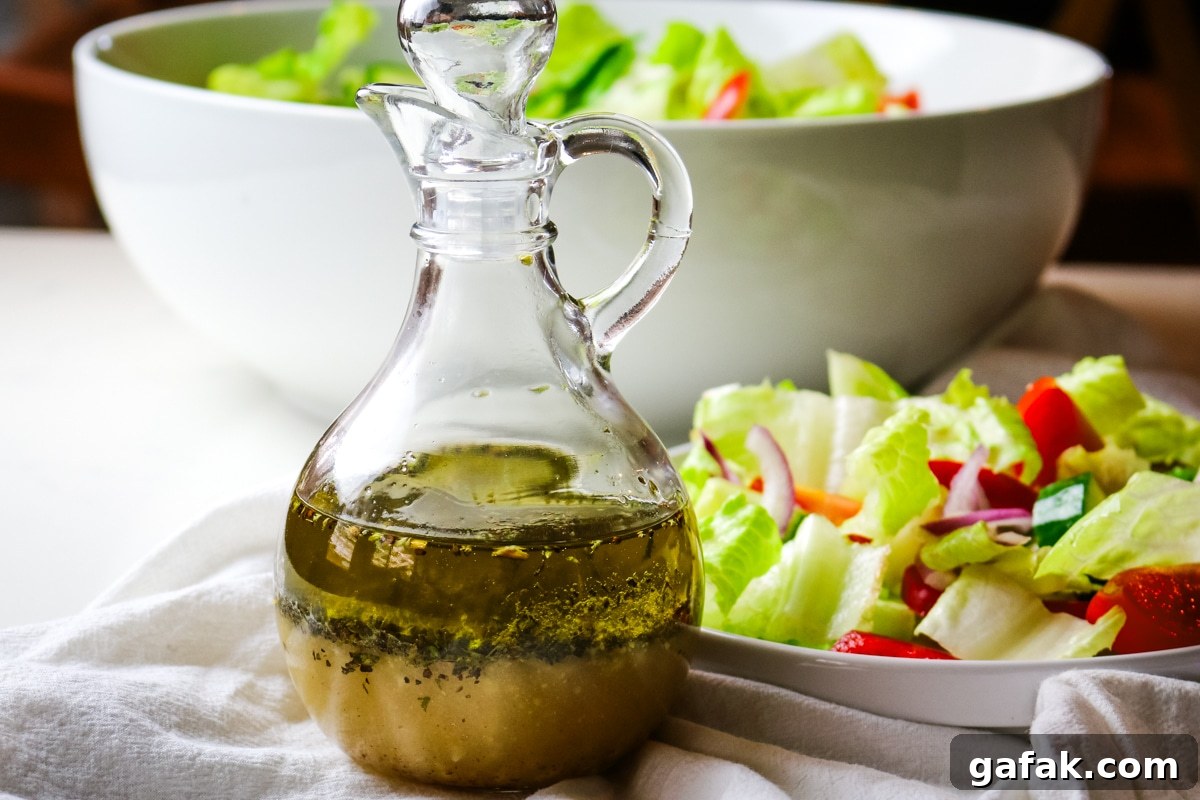
Serving Suggestions
Traditional uses include a classic Mediterranean chopped or Greek salad, but this dressing is useful far beyond greens:
- Marinade for chicken, fish, or shrimp
- Drizzle over roasted or steamed vegetables
- Toss with warm or cold grains such as millet, buckwheat, or farro
- Mix into pasta salads for a bright, oil-based dressing
- Use as a dipping sauce for raw vegetables or crusty bread
Experiment — ladolemono pairs well with many simple flavors and shines in warm-weather dishes.
Lemon and olive oil dressing pairing suggestions
-
Arugula Salad with Goat Cheese and Prosciutto
-
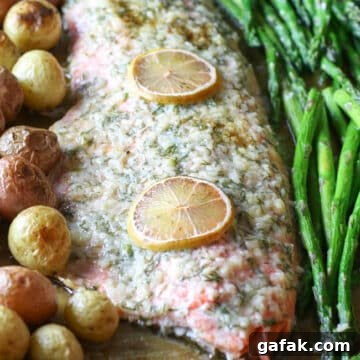
Sheet Pan Garlic Butter Salmon, Asparagus and Potatoes
-
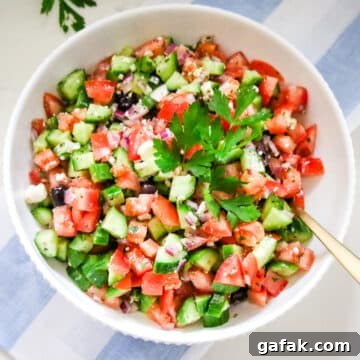
Greek Tomato and Cucumber Salad
-
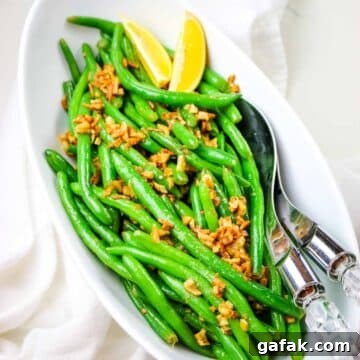
Buttery Green Beans with Garlic and Lemon

Storage Instructions
How long does ladolemono last in the refrigerator?
To store: Keep leftover dressing in an airtight container or jar in the refrigerator for up to 1 week when garlic is included. If you omit fresh minced garlic, the dressing can keep up to 2 weeks chilled.
When storing, consider adding garlic just before serving to preserve freshness and avoid any bitter notes from prolonged storage.
FAQs
A traditional ladolemono is simply extra virgin olive oil and fresh lemon juice. Many modern variations add garlic, mustard, vinegar, and herbs for additional flavor.
Use fresh, ripe lemons with bright flavor. Common varieties like Eureka or Lisbon work well; Meyer lemons can be used when you want a slightly sweeter, floral note.
You can, but extra virgin olive oil offers a fuller, fruitier aroma and better flavor. Using a milder oil will produce a less distinctive dressing.
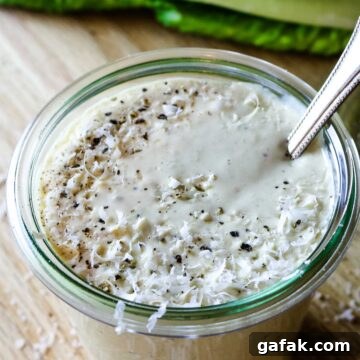
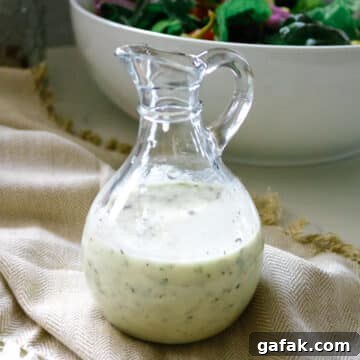
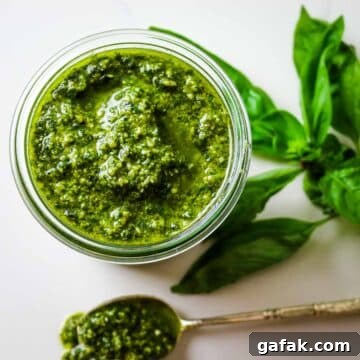
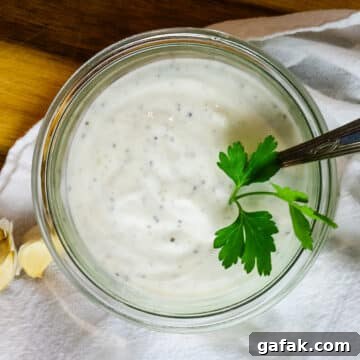
Looking for other healthy dressings? Try a zesty Caesar, a simple house vinaigrette, or fresh basil pesto for different flavor profiles.
-
Healthy Caesar Salad Dressing Recipe
-
Simple House Salad Dressing
-
Authentic Fresh Basil Pesto
-
Easy 5-minute Spicy Garlic Yogurt Sauce
Did you make this? Please leave a ⭐ recipe rating in the recipe card below and share a review in the comments. Thank you! 💚
Printable Recipe
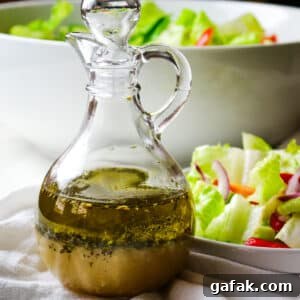
Lemon and Olive Oil Dressing – Ladolemono
Equipment
- immersion blender (optional)
- balloon whisk or fork
- pint-size mason jar or small bowl
Ingredients
- ½ cup extra virgin olive oil
- ¼ cup lemon juice (freshly squeezed)
- ¼ cup white wine vinegar (optional)
- 2 teaspoons Dijon mustard
- 2 garlic cloves, minced
- 1 teaspoon dried parsley (or 1 tbsp fresh)
- 1 teaspoon dried basil (or 1 tbsp fresh)
- ½ teaspoon dried oregano
- 1 teaspoon sea salt (adjust to taste)
Instructions
- Add: Combine all ingredients in a small bowl, pint jar, or blender in the order listed.
- Whisk or blend: Whisk vigorously until emulsified, shake the jar well, or blend with an immersion blender until smooth. Taste and adjust salt, lemon, or herbs.
Notes
Yield: Approximately 1½ cups, enough for 2 generous salads.
Storage: Refrigerate in an airtight container up to 1 week with garlic included; up to 2 weeks without fresh garlic. Add garlic just before serving if you plan to store the dressing long-term.
Serving tip: Bring to room temperature before serving and shake or whisk to re-emulsify.