
What inspired me to become a dietitian? It’s a story worth sharing.
Thank you for reading my story. While it may feel a bit indulgent to write about myself, I share this with purpose: reaching out to a dietitian can feel vulnerable, and I want you to know you’re not alone.
I am a licensed and credentialed dietitian, and I’ve also struggled with eating, body image, and rigid food rules. As I worked to reshape my relationship with food, I learned a lot — lessons I now use to help others.
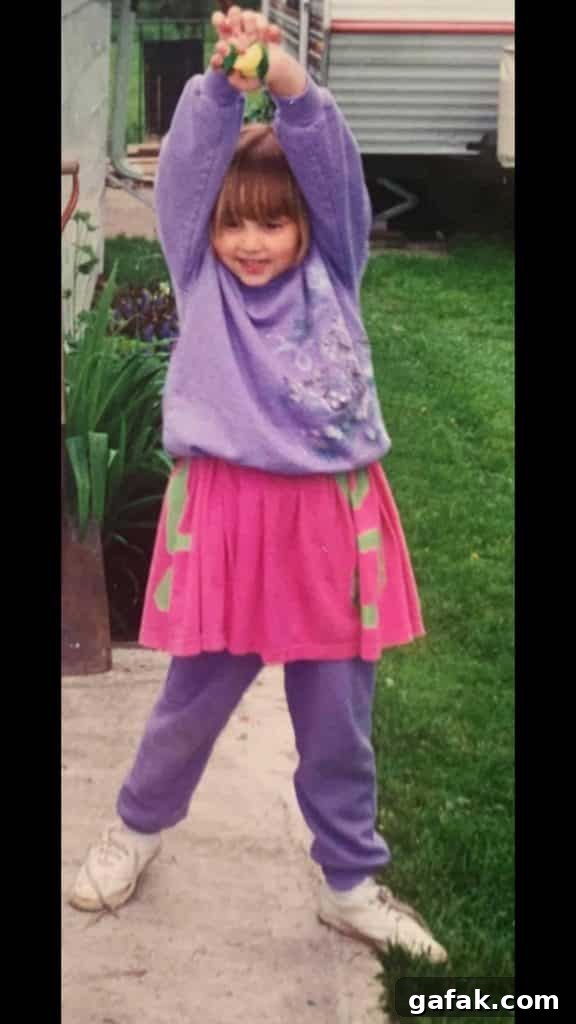
The early days
I grew up in a warm, loving family. We laughed, played, and enjoyed meals together. But I didn’t naturally enjoy the “healthy” habits my parents encouraged.
As a child I wasn’t very active — I simply hadn’t found activities I loved. The meals at home were full of vegetables, which I didn’t enjoy. What I craved were nachos (and yes, I still love them).
On top of that, I felt like I stuck out. I was taller and a bit chubby compared to my peers, and that made me self-conscious. I often felt less attractive and noticed less attention from boys. Even though my parents wanted me to be healthy, I struggled with my body image and didn’t feel healthy in my own skin.
Heading into my teenage years, I became vulnerable to dieting pressures, and those ideas began to take hold.
The teen years
In my teens I believed I could change my size and fit in better. That started the dieting roller coaster.
There were many ups and downs. I didn’t follow one named diet consistently, but I was constantly focused on and worried about my body. Sometimes I counted calories, but more often I monitored portion sizes and compared myself to friends, trying to eat less than they did.
My weight fluctuated — I’d lose weight while restricting and regain it when I couldn’t maintain the restrictions. Looking back, it’s sad because I was generally healthy. My negative body image drove unhealthy dieting, not an actual health need.
I punished myself with vegetables I disliked and unsustainable workouts. What I needed instead was enjoyment from nourishing foods and movement I actually liked.
College + beyond
While at university I tried Weight Watchers hoping to finally reach the body I imagined. For a while it seemed to work — I achieved the dream body I’d wanted — but the weight loss was too rapid and came at a cost to my mental health and relationship with food.
WW taught me some nutrition basics and increased my fruit and vegetable intake, but it also trained me to view every food as points. That made me fear foods like olive oil and nuts because they carried high point values. I began manipulating the system: eating very little during the week to save points to binge on the weekend, which left me feeling sick and out of control.
After moving away from following the program strictly, the pattern of restriction continued. I began working in marketing and developed significant digestive issues. Initially I blamed stress, then suspected a food intolerance. I was eventually diagnosed with IBS and handed a low FODMAP handout — but no one explained that the low FODMAP approach is intended to be temporary.
I felt better at first, so I used that as permission to become even more restrictive for the sake of digestion. I kept cutting foods and while symptoms sometimes improved, they always returned. I felt like I couldn’t eat anything without discomfort. I was frustrated, sad, and lost.
Mid-twenties
I reached a breaking point and booked an appointment with a digestive health dietitian. Her guidance helped my symptoms so much that I was inspired to return to school and pursue a career in dietetics. I quit my marketing job, moved back home to save money, and began taking prerequisite courses for a nutrition degree.
Slowly, my relationship with food and my body began to stabilize. I realized my digestive problems were largely caused by chronic restriction and undereating. I wasn’t eating enough energy or volume for normal digestion and overall well-being. Once I relaxed my restrictions a bit, things improved.
Studying nutrition helped me see the flaws in the point-based logic I’d followed before. Fats weren’t to be feared. Sugar didn’t need complete elimination. Balance was possible and sustainable, even for people with weight goals — including enjoying the foods you love so results are maintainable.
In school I discovered Intuitive Eating, which encouraged an all-foods-fit approach and helped me relax around food. At first I swung too far into a “do whatever I want” mode, but ultimately Intuitive Eating taught me that nourishing foods fuel the body and enjoyable foods nourish the soul. There’s room for both.
I didn’t adopt Intuitive Eating as a strict label for my practice because it felt limiting in some ways. I began to blend the mindfulness and freedom of Intuitive Eating with intentional structure and realistic nutrition goals. That combination brought me true balance: flexibility, mindfulness, and purposeful choices that supported my health and happiness.

And that’s a wrap
Maybe you see some of yourself in my story. I’ve been the chubby kid, the teen dieter, the overly restrictive young adult, and later an Intuitive Eater. Today I’ve found that my most sustainable approach doesn’t need a name.
That freedom allows me to adjust my nutrition goals with balance and without falling into diet culture’s quick fixes. If you’re searching for a middle ground between Intuitive Eating and traditional dieting, that’s exactly where I support people — helping them feel confident, balanced, and joyful around food.
You deserve to find balance and joy with your eating, just like I did.