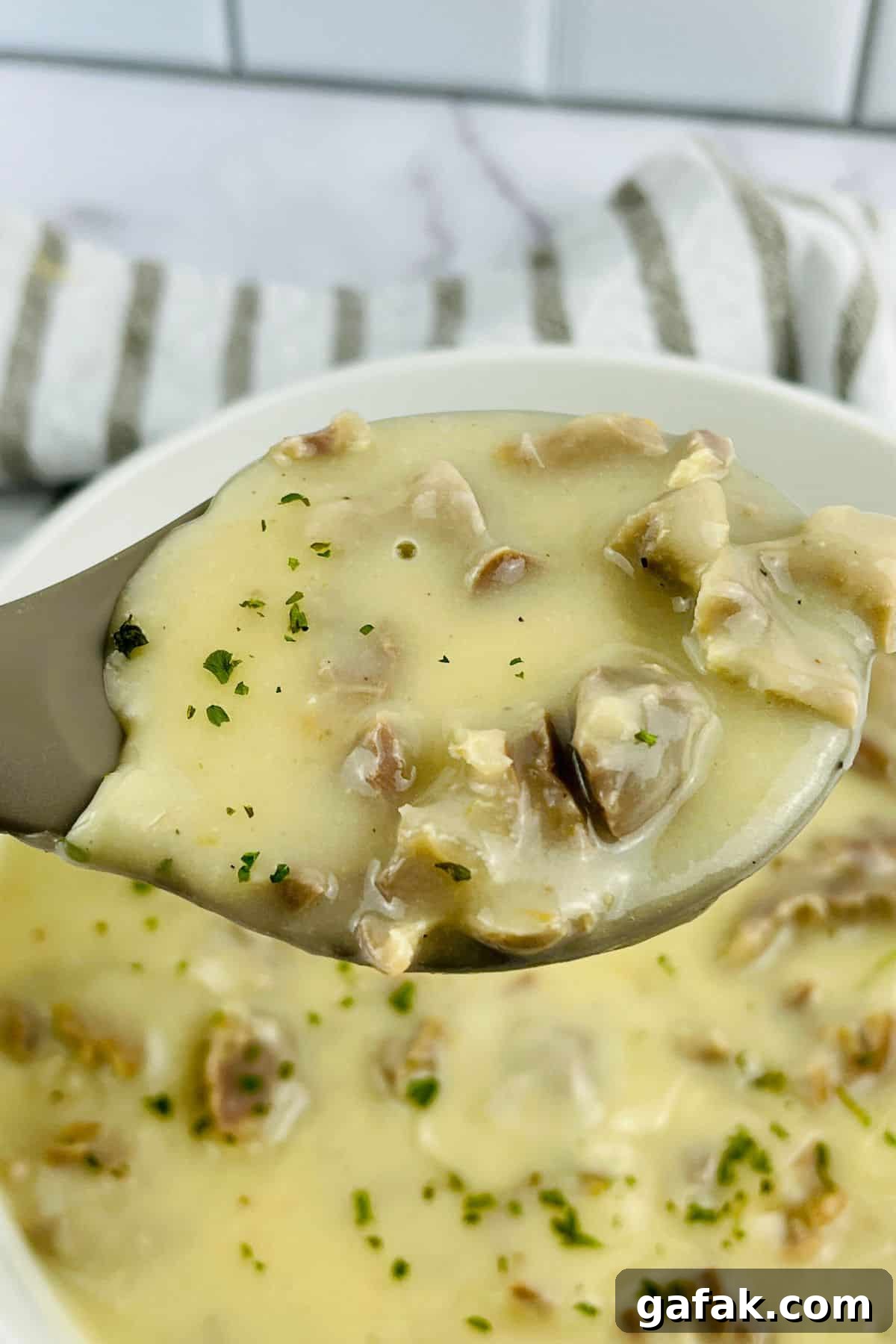
My Giblet and Turkey Neck Gravy is more than a holiday classic—it’s a taste of family. It brings back crowded kitchens, faded recipe cards, and the comforting aroma of a sauce simmering slowly while conversation and laughter fill the room.
If you enjoy homemade gravies, also try my Gravy Recipe for Turkey Drippings and Cornstarch Turkey Gravy for more ways to elevate a roast bird.
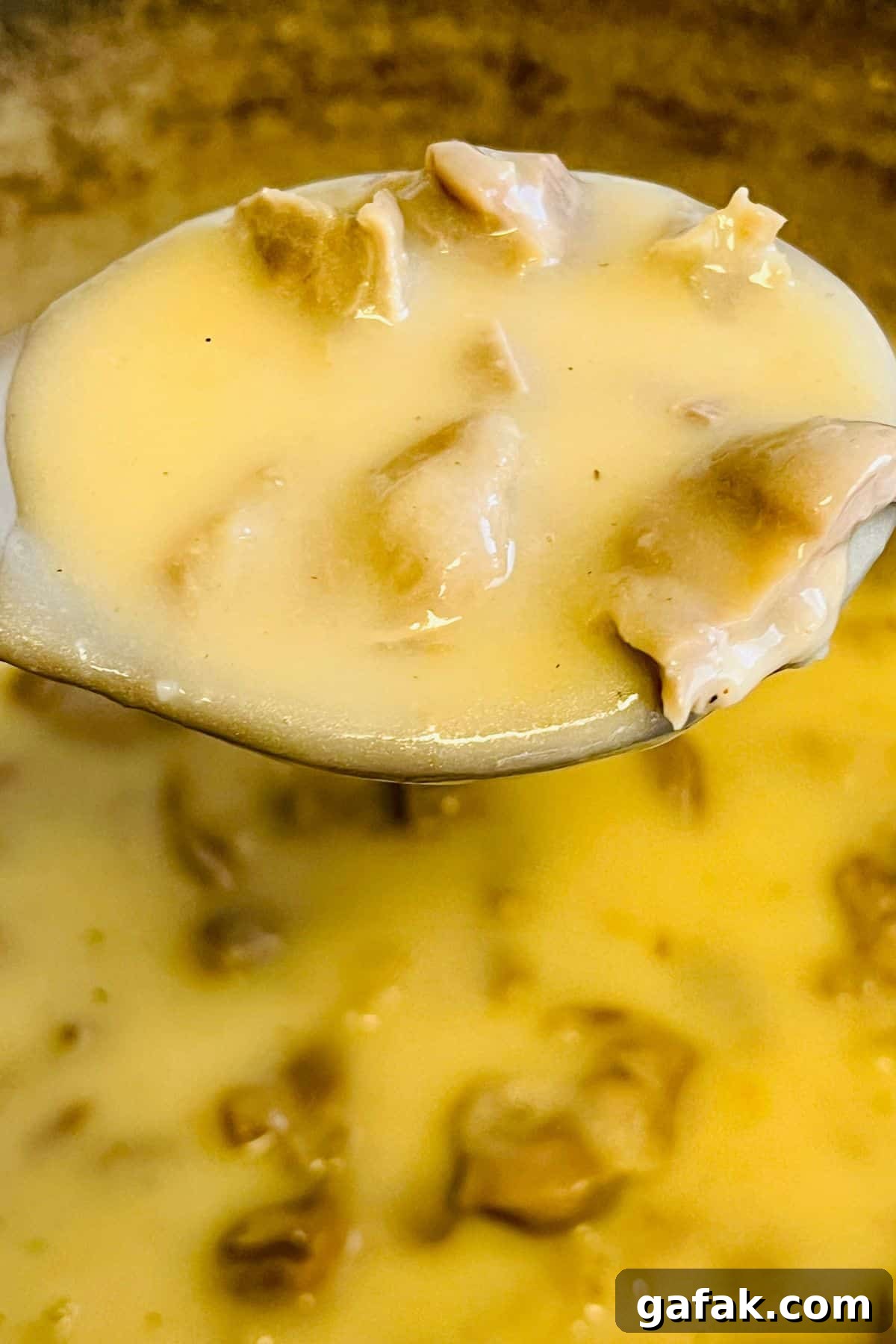
Why this Giblet and Turkey Neck Gravy Recipe is a Keeper
This gravy is nostalgic, cozy, and full of flavor. It brings a depth to the table that store-bought sauces can’t match, and the gravy boat gets refilled more than once.
- Rich and Flavorful: Using the turkey neck and giblets gives the gravy a savory, roasted taste that complements the bird perfectly.
- Reduces Waste: Parts of the bird that are often discarded become a delicious, essential component of the meal.
- Foolproof Method: The steps are straightforward and rely on basic techniques, so cooks of any level can get great results.
Can I Make the Turkey Gravy Without the Turkey Giblets?
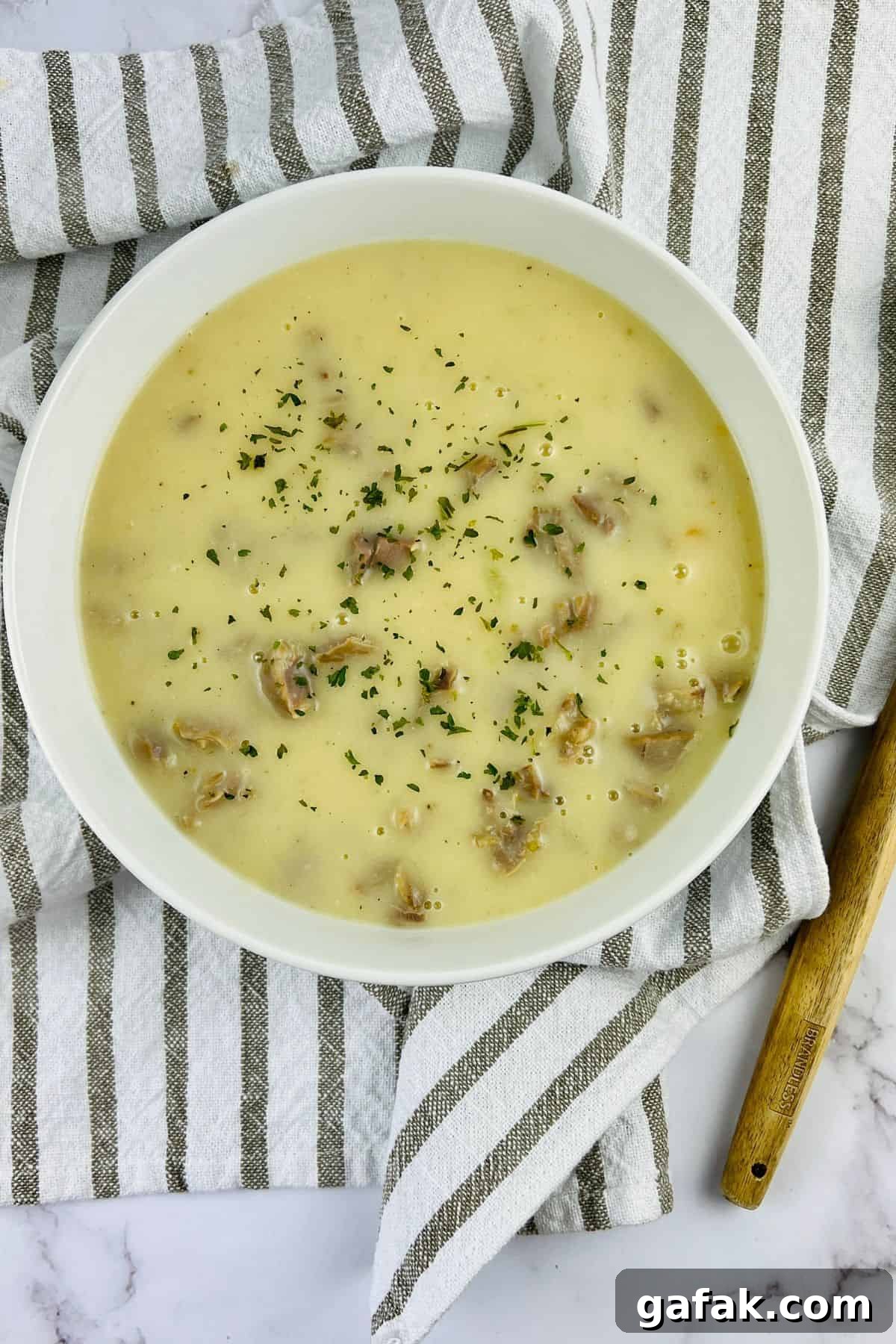
Yes. This recipe works with either chicken or turkey giblets and neck. If you prefer a smooth sauce, strain out the meaty bits before serving.
Pro Tip for Turkey Giblet Gravy
Brown your roux for deeper flavor. Cook the butter and flour until golden to develop a nutty complexity and richer color. A well-browned roux also helps the gravy stay smooth and pourable as it cools.
Ingredient Notes to Make Giblet Gravy
Use fresh, quality ingredients to get the most flavor from this gravy.
Get the full printable recipe with exact measurements and directions in the recipe card below.
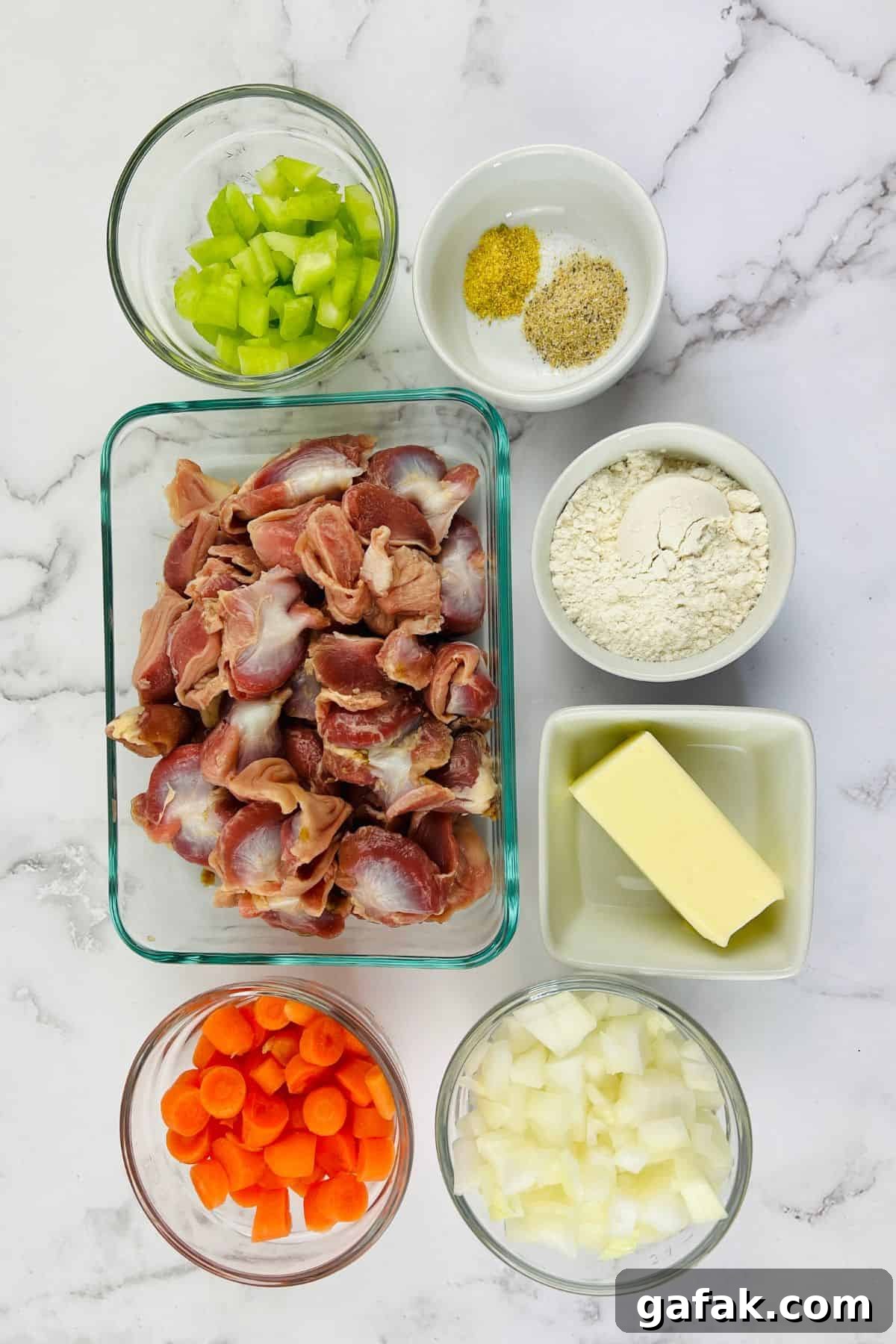
- Turkey Neck & Giblets: Simmer to extract deep flavor; remove the liver early to prevent bitterness.
- Pan Drippings: Drippings add roasted richness and depth—use them when possible.
- Flour: Flour thickens the gravy. For lump-free results, whisk into a paste or make a slurry with cold liquid. Use cornstarch for a gluten-free option.
- Broth: Turkey or chicken broth creates a richer base than water.
Variations and Substitutions for Turkey Dripping Gravy
This recipe is flexible—adapt it to what you have or to your preferences.
- Fat: If turkey fat is limited, substitute unsalted butter or another rendered fat.
- Liquid: Turkey stock is ideal, but chicken stock or even water will work in a pinch.
- Wine Infusion: A splash of white wine adds acidity and depth.
- Herbs: Simmer with fresh herbs like rosemary or sage for added aroma and flavor.
Special Equipment Needed for Turkey Neck Gravy
Most tools are basics, but one small item can simplify finishing the sauce.
- Fat Separator: Useful for removing excess grease so the gravy is clean and silky.
How to Make Thanksgiving Turkey Gravy Using Pan Drippings
This gravy comes together in a few clear steps and is perfect for holiday dinners.
Get the full printable recipe with specific measurements and directions in the recipe card below.
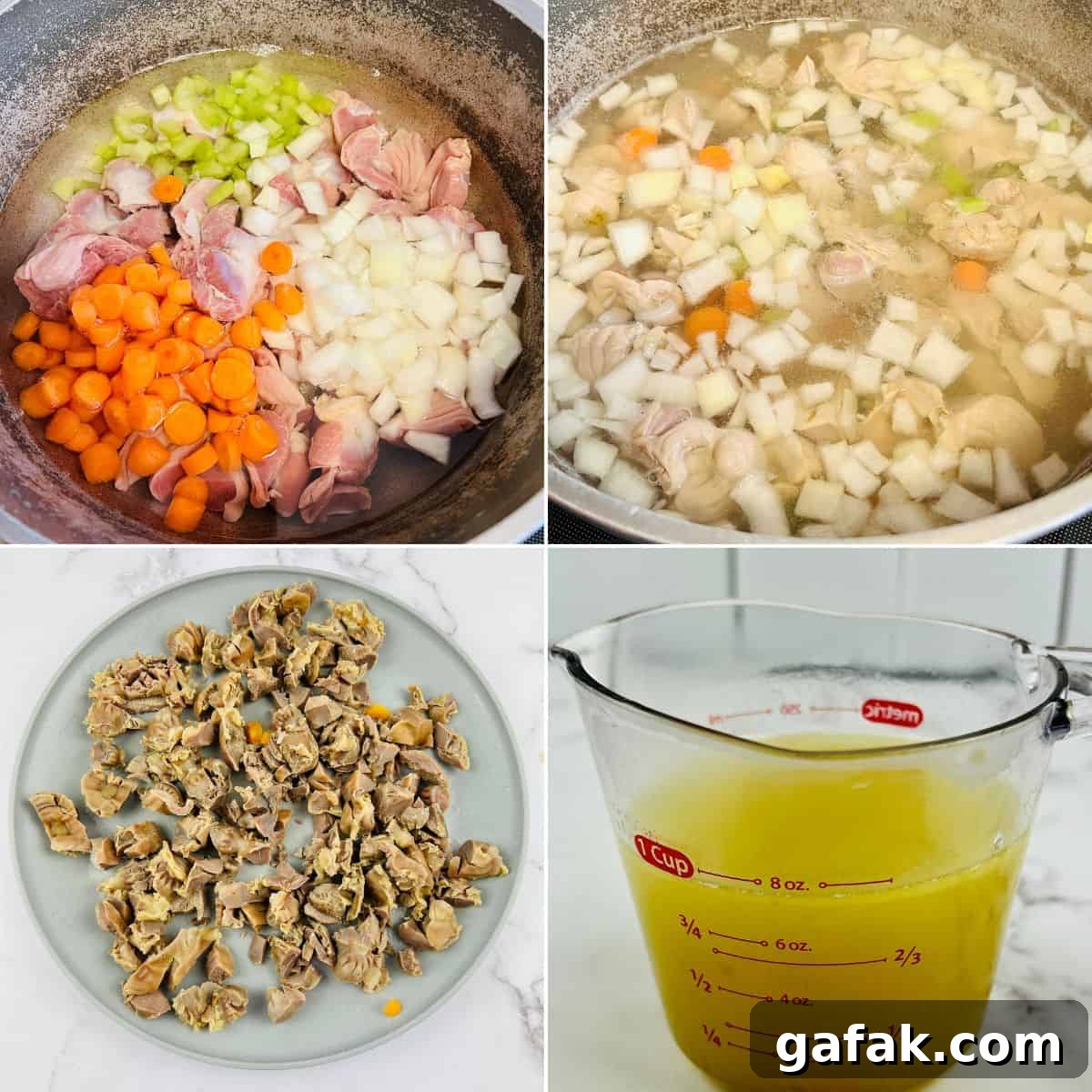
- Simmer Giblets and Vegetables: Place giblets and neck in a saucepan with water and add roughly chopped onion, celery, and carrots. Bring to a boil, then reduce to a gentle simmer for about 1½–2 hours.
- Reserve the Stock: Strain the solids from the broth. Discard the vegetables; when the giblets are cool, chop them into small pieces.
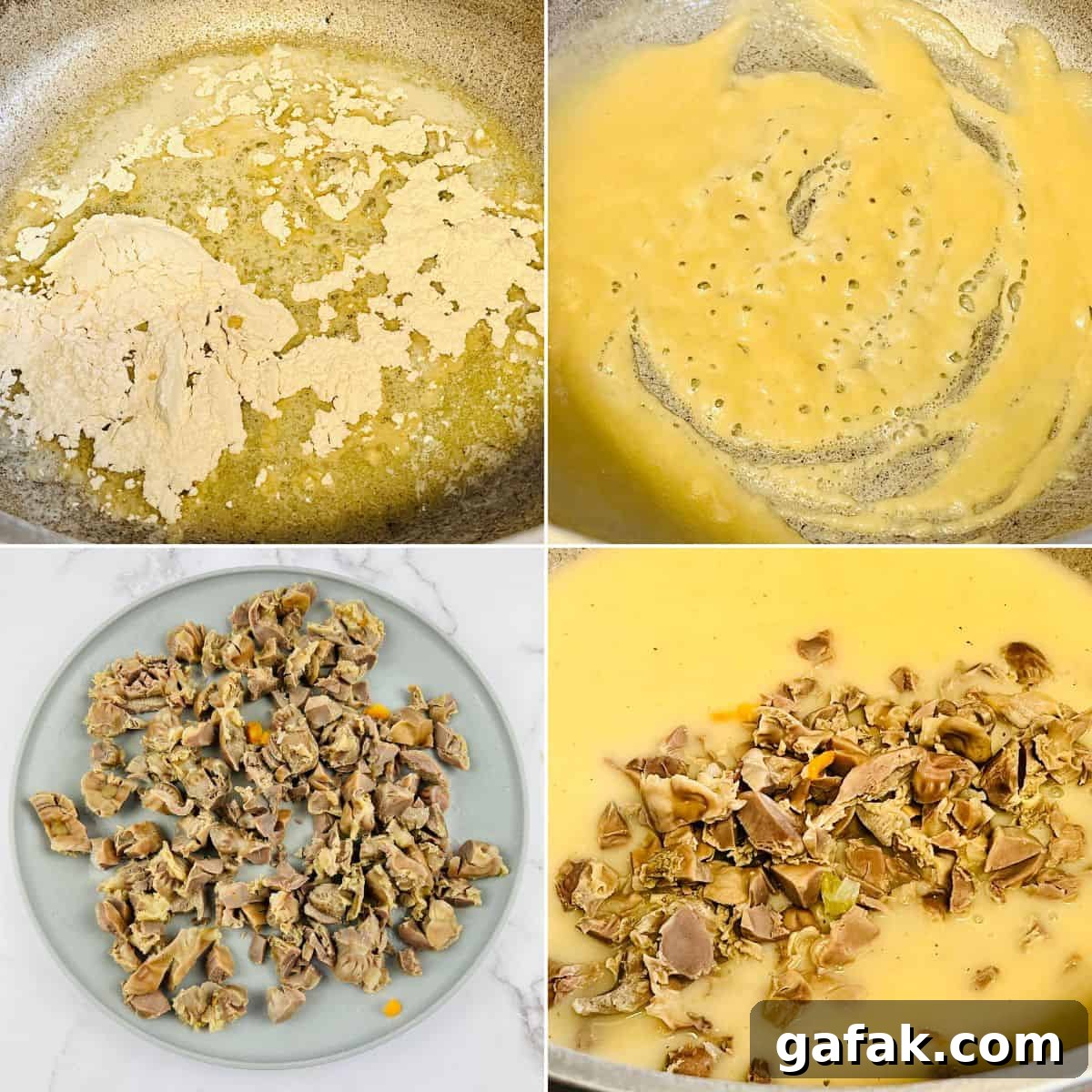
- Make the Roux: In a saucepan over medium heat, melt butter and whisk in flour to form a paste. Cook briefly, then slowly whisk in the reserved giblet stock and turkey drippings until smooth. Season with All Purpose Seasoning and Poultry Seasoning.
- Finish and Adjust: Simmer until the gravy reaches the desired thickness. Stir in the chopped giblets, warm through, and taste to adjust seasoning.
Make Ahead Suggestions for the Best Giblet Gravy
Prep ahead to save time on a busy cooking day.
- Make the Stock Early: Prepare the giblet-and-neck stock a day or two ahead and refrigerate. This frees you to finish the gravy with fresh drippings on the meal day.
- Prep Vegetables: Chop onions, carrots, and celery in advance and store them refrigerated.
- Pre-Simmer Giblets: Cook and cool the giblets ahead of time; store them separately and add to the gravy when reheating.
Alternate Cooking Methods to Make this Gravy Made with Giblets
If you prefer a hands-off approach, use a slow cooker.
- Slow Cooker: Simmer the neck, giblets, and vegetables on low for several hours to produce a rich, hands-off stock ideal for making gravy.
How to Store, Reheat and Use Leftover Turkey Neck Gravy
- Store: Keep leftover gravy in an airtight container in the refrigerator for up to 4 days, or freeze for up to 3 months.
- Reheat: Warm gently on the stovetop over low heat, stirring occasionally. If too thick, whisk in additional stock or water to loosen the consistency.
- Use Leftovers: Leftover gravy is excellent over mashed potatoes, roasted vegetables, or in turkey sandwiches.
Common Questions About This Giblet Gravy Recipe
Lumps usually form when the roux isn’t fully incorporated or if cold liquid is added too quickly. Passing the gravy through a fine-mesh sieve will make it silky.
Simmer longer to reduce and thicken, or whisk in a slurry of flour or cornstarch mixed with cold broth until you reach the desired consistency.
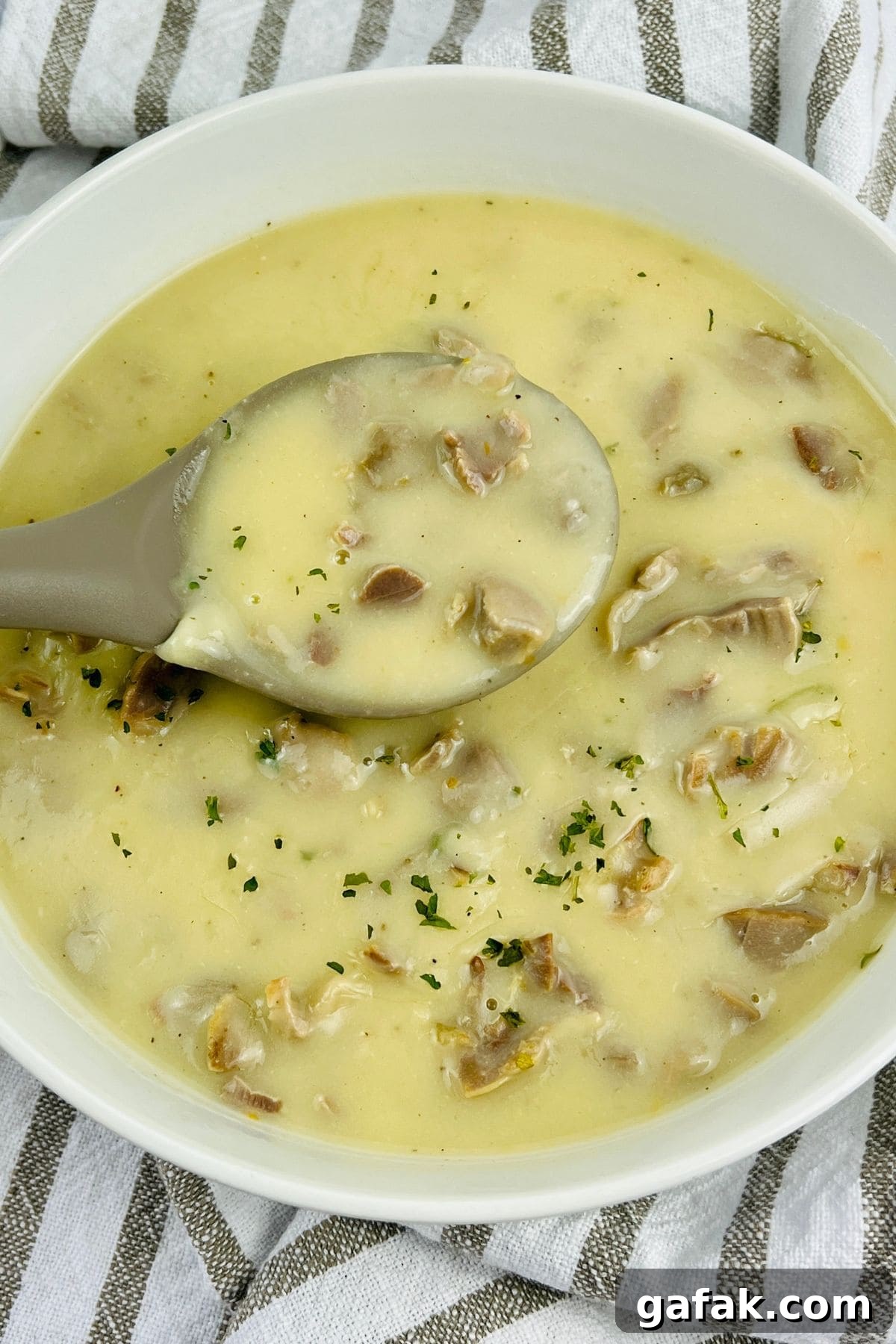
Expert Tips for Making Homemade Turkey Gravy
- Start with a Good Roux: Equal parts fat and flour cooked briefly removes the raw flour taste and ensures a smooth texture.
- Deglaze the Pan: After roasting the turkey, deglaze the roasting pan with stock or wine to lift the flavorful browned bits into your gravy.
- Season Last: Add salt and pepper after the gravy has reduced to avoid over-seasoning—drippings can be salty.
- Serve With: This gravy pairs beautifully with roast turkey, mashed potatoes, and classic holiday sides.
More Recipes You Might Like
Turkey Cooked in an Oven Bag
Grilled Turkey Burgers with Pickled Onions
Smoked Turkey Dry Rub
Easy Turkey Pot Pie
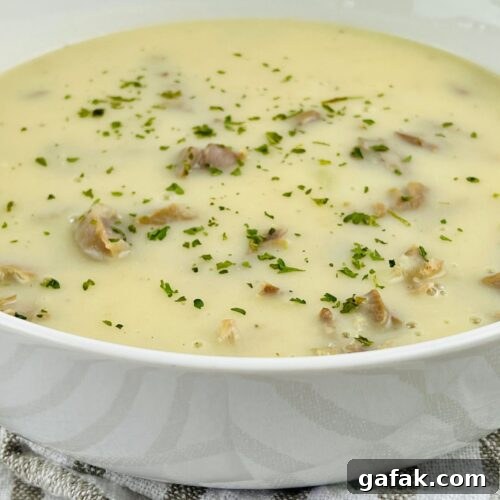
Creamy Giblet and Turkey Neck Gravy
Print It
Rate It
Pin It
Equipment
-
Measuring Spoons
-
Measuring Cups
-
Sauce Pan
-
Whisk
Ingredients
- Turkey or chicken giblets, including the neck
- 4 cups Water
- 1 stalk Celery, roughly chopped
- 1 Carrot, roughly chopped
- 1 Onion, roughly chopped
- 4 Tablespoons Unsalted butter
- 4 Tablespoons Flour
- 2 ½ cups Turkey drippings and reserved giblet stock, remove excess fat from drippings
- ½ teaspoon All Purpose Seasoning
- ¼ teaspoon Poultry Seasoning Blend
Instructions
-
Add giblets and neck to a saucepan, cover with water, and add chopped celery, carrot, and onion.
-
Bring to a boil, then reduce heat and simmer for 1½–2 hours to make the stock.
-
Strain and reserve the broth. Discard the vegetables; chop the giblets and remove meat from the neck when cool enough to handle.
-
In a saucepan over medium heat, melt butter. Whisk in flour and cook briefly to form a roux.
-
Slowly whisk in the reserved drippings and giblet stock until smooth.
-
Stir in All Purpose Seasoning and Poultry Seasoning, then simmer until the gravy thickens.
-
Taste and adjust seasoning, then stir in the chopped giblets and warm through before serving.
Christina’s Notes
- Strain for Smoothness: Pass the gravy through a fine-mesh sieve before serving for a silky finish.
- Make Ahead Friendly: The stock can be prepared in advance to save time on busy days.
- Season Last: Drippings can be salty—taste before adding more salt.
- Scale the recipe: Adjust servings in the recipe card to update ingredients automatically.
- Use unsalted butter: It gives control over the final salt level.
- Check meat doneness: Use a meat thermometer when cooking poultry for best results.
For more details, variations, and tips, see the blog post sections above.