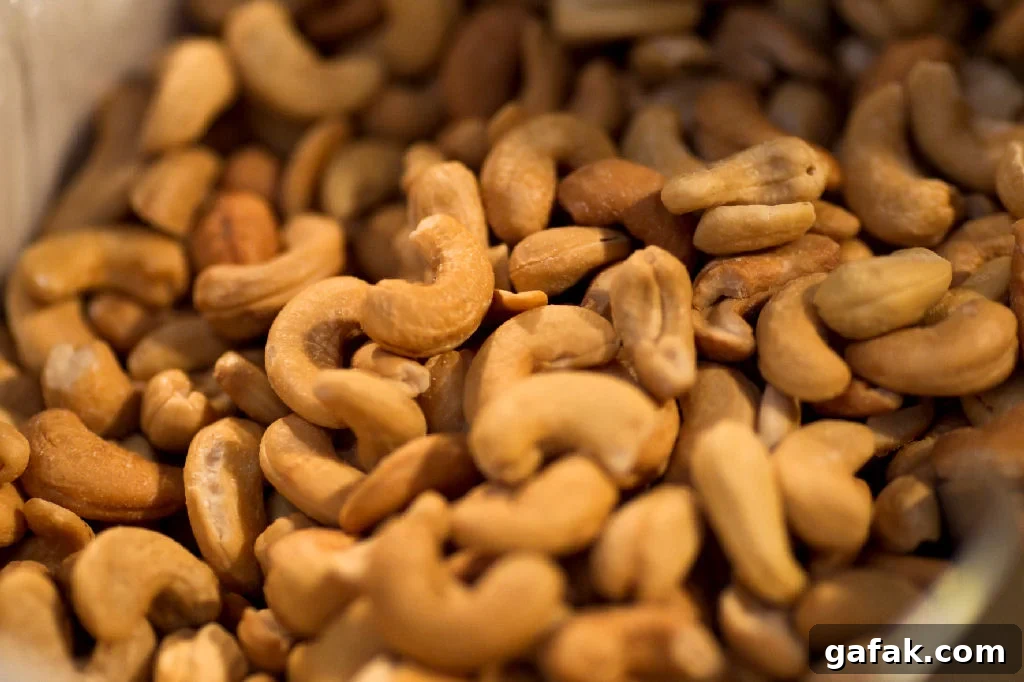
Cashews
Pistachios
Mango
As a child I discovered I was allergic to pistachios. Later, while training as a Peace Corps volunteer, I learned I was also highly allergic to mangoes. At first it seemed coincidental, but the connection became clear when I investigated the plants involved.
Both mangoes and pistachios belong to the plant family Anacardiaceae. Cashews are part of that family as well, yet I rarely react to cashews. The unifying factor is a chemical called urushiol, an oil present in many Anacardiaceae species. Urushiol is the same irritant found in poison ivy, poison oak, and poison sumac, which explains why those plants can cause severe skin reactions.
Understanding how urushiol is distributed helps explain my varying reactions. In mangoes, the oil is concentrated in the skin. When you cut or peel a mango, the fruit’s flesh is easily exposed to oils released from the skin, so anyone sensitive to urushiol can react after handling or eating the fruit. For pistachios and cashews, the urushiol is present in the nut shells. Most pistachios reach consumers still in their shells, and handling or cracking them can transfer oil to the nut or skin. Cashews, however, are typically processed differently: their shells are roasted or treated during processing, which destroys or removes much of the urushiol. That processing step likely explains why I have only mild or infrequent reactions to cashews compared with pistachios and mangoes.
This pattern of sensitivity became apparent after an episode with a mango while I was preparing to go overseas. My father, an avid gardener, helped make the connection long before internet search engines made this information easy to find. During my Peace Corps service in the Gambia from 1993 to 1995, the contrast was striking: mango trees and cashew trees grew abundantly, and fellow volunteers nicknamed me “Musa Dutoe” (Moses the Mango in Mandinka). While others enjoyed ripe mangoes and fresh cashews straight from local vendors, I had to avoid them to prevent allergic reactions.
My father, by contrast, was extremely sensitive to poison ivy, while my reaction to those plants has usually been limited to the typical rash. The real trouble for me is eating certain fruits and nuts from the Anacardiaceae family—especially when the edible parts come into contact with urushiol. It’s an inconvenient quirk of biology: foods that are common, delicious, and locally abundant can be off-limits because of a shared natural defense mechanism.
Knowing the source of the problem helps with prevention. Avoiding direct contact with mango skins, choosing shelled pistachios or properly processed cashews, and taking care when handling these foods reduces risk. For anyone with similar sensitivities, awareness of the plant family connection and how urushiol is distributed in each food can make a real difference in avoiding uncomfortable and potentially serious reactions.