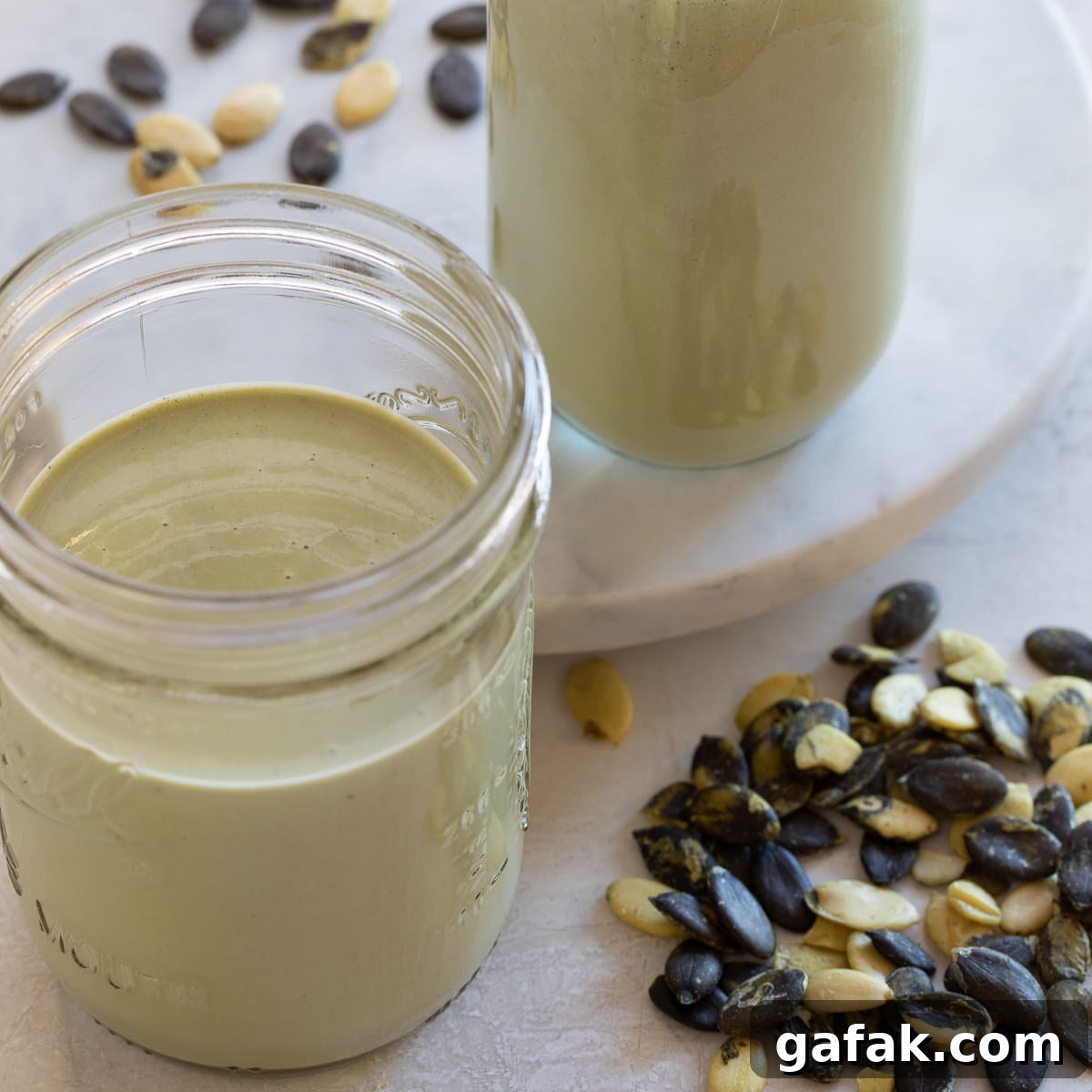
If you make homemade almond or cashew milk, try pumpkin seed milk next. It has a pale green hue, a creamy texture and a pleasant, slightly nutty flavor. This dairy-free milk is a useful alternative for anyone avoiding cow’s milk—add it to your collection of plant-based milk recipes.
Homemade Pumpkin Seed Milk (Dairy-free)
Pumpkin seeds are nutrient-dense and versatile: sprinkle them on salads, use them to top soups, add them to granola, or enjoy them as a snack. They are rich in zinc and other minerals, and turning them into milk creates a smooth, plant-based option that works well in smoothies, cereal, and many recipes that call for non-dairy milk.
Unlike many nut-based milks, pumpkin seed milk is suitable for people with nut allergies and can be a helpful option if you have histamine sensitivity. For those who need to avoid almonds, cashews or other tree nuts, pumpkin seed milk provides a safe, nutritious substitute.
Pumpkin Seed Milk Nutrition
An 8-ounce serving of pumpkin seed milk supplies a useful amount of plant protein and healthy fats. Pumpkin seeds themselves are excellent sources of potassium, magnesium, calcium and omega-3 fatty acids, with a one-ounce serving offering about 7 grams of protein and healthy fats that suit paleo and keto preferences. They also provide fiber when eaten whole.
About Pumpkin Seeds: Standard and Heirloom
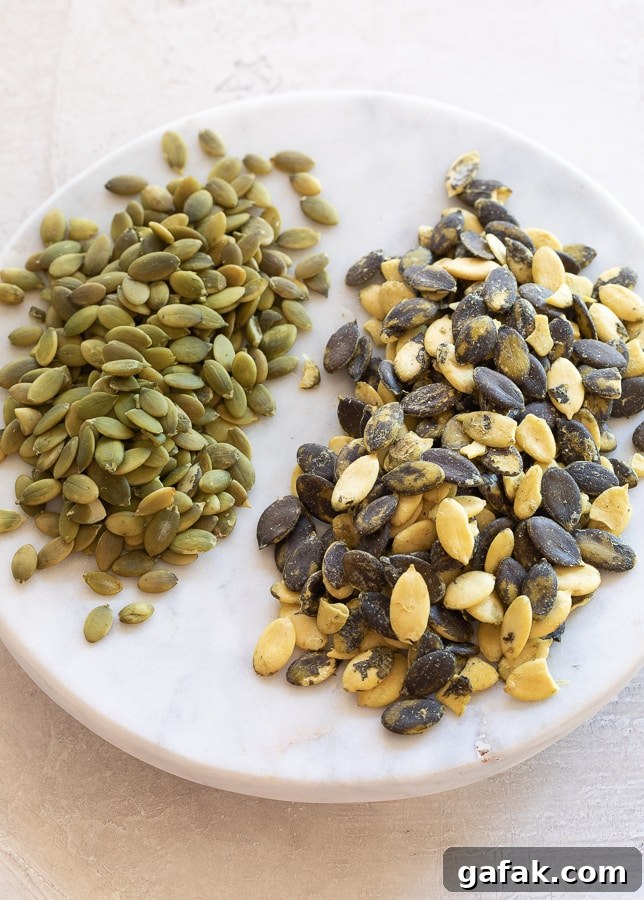
When shopping you will usually find two types of shelled pumpkin seeds: the common green pepitas and an heirloom variety known as Styrian, which is larger and often bicolored. Most commercially available seeds come from large-scale producers, but there are organic, regionally grown heirloom options if you prefer them raw and unpasteurized for soaking and sprouting.
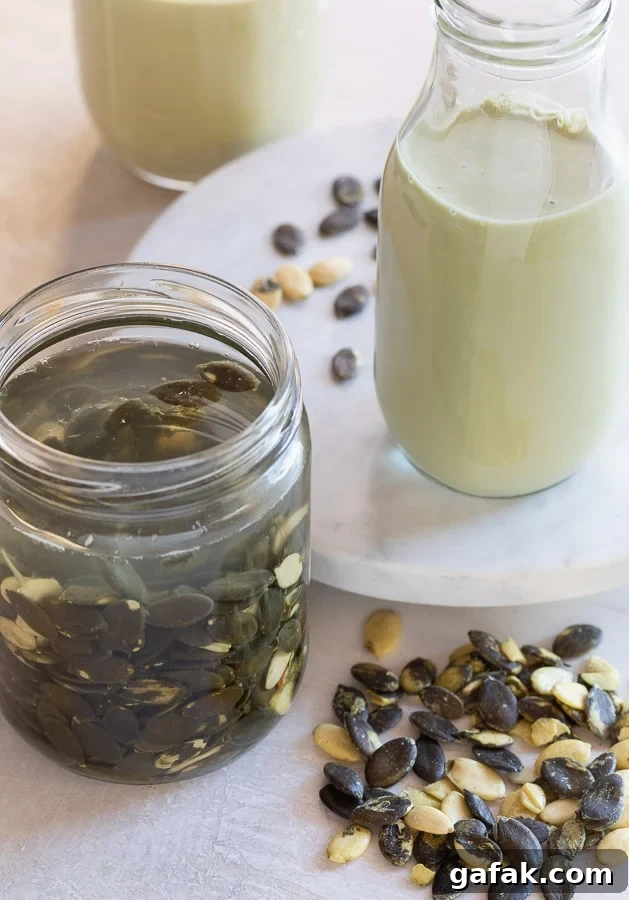
Either variety makes delicious milk—just be sure to buy raw, unsalted, unshelled seeds that are meant for eating (not seeds scooped from a carved pumpkin). Soaking the seeds softens them and improves blending. For a smooth milk, soak the seeds overnight, discard the soaking water, then blend with fresh water. A good starting ratio is 1 cup soaked seeds to 4 cups filtered water. This milk typically does not need final straining.
Pumpkin Seed Milk Taste
Pumpkin seed milk has a distinctive, slightly savory flavor and a pale green color. It pairs nicely with warming spices—try adding cinnamon and vanilla to smoothies for a cozy flavor profile. Use it in baked goods, coffee alternatives, or any recipe that calls for a mild, creamy plant milk.
If you enjoy pumpkin flavors, consider using pumpkin seed milk in spiced smoothies or chilled desserts. It keeps well in the refrigerator for 3–4 days.
Histamine Notes
Pumpkin seed milk can be a helpful option for people managing histamine intolerance. Because it isn’t a tree nut milk, it may be easier to tolerate for some individuals. As with any dietary change, monitor your symptoms and consult a healthcare professional if you have concerns about food sensitivities.
Pumpkin Protein!
If you want to boost protein without adding dairy or nuts, pumpkin seed protein powders are available and can add concentrated plant protein to smoothies and recipes. Look for a product that fits your dietary needs and ingredient preferences.
📖 Recipe
Homemade Pumpkin Seed Milk
Sally Cameron
Pin Recipe
Equipment
-
blender
Ingredients
- 1 cup raw pumpkin seeds about 6 ounces
- 2 cups water to soak overnight
- 4 cups water to make milk
Instructions
-
Place the raw pumpkin seeds in a large jar and cover with 2 cups of filtered water. Cover and soak overnight.
-
When ready, discard the soaking water. Place the soaked seeds in a blender with 4 cups of fresh filtered water and blend until smooth, about 30–60 seconds. Use immediately or refrigerate up to 3–4 days.