Meal prepping transforms hectic weekdays into manageable routines by saving time, reducing food waste, and supporting healthier eating. A vacuum sealer is one of the most useful appliances for anyone who preps food regularly. By removing air and sealing ingredients or meals, a vacuum sealer preserves freshness, locks in flavor and nutrients, and simplifies storage—helping you get more organized and spend less time cooking every day.
1. Prepping Bulk Meat Purchases
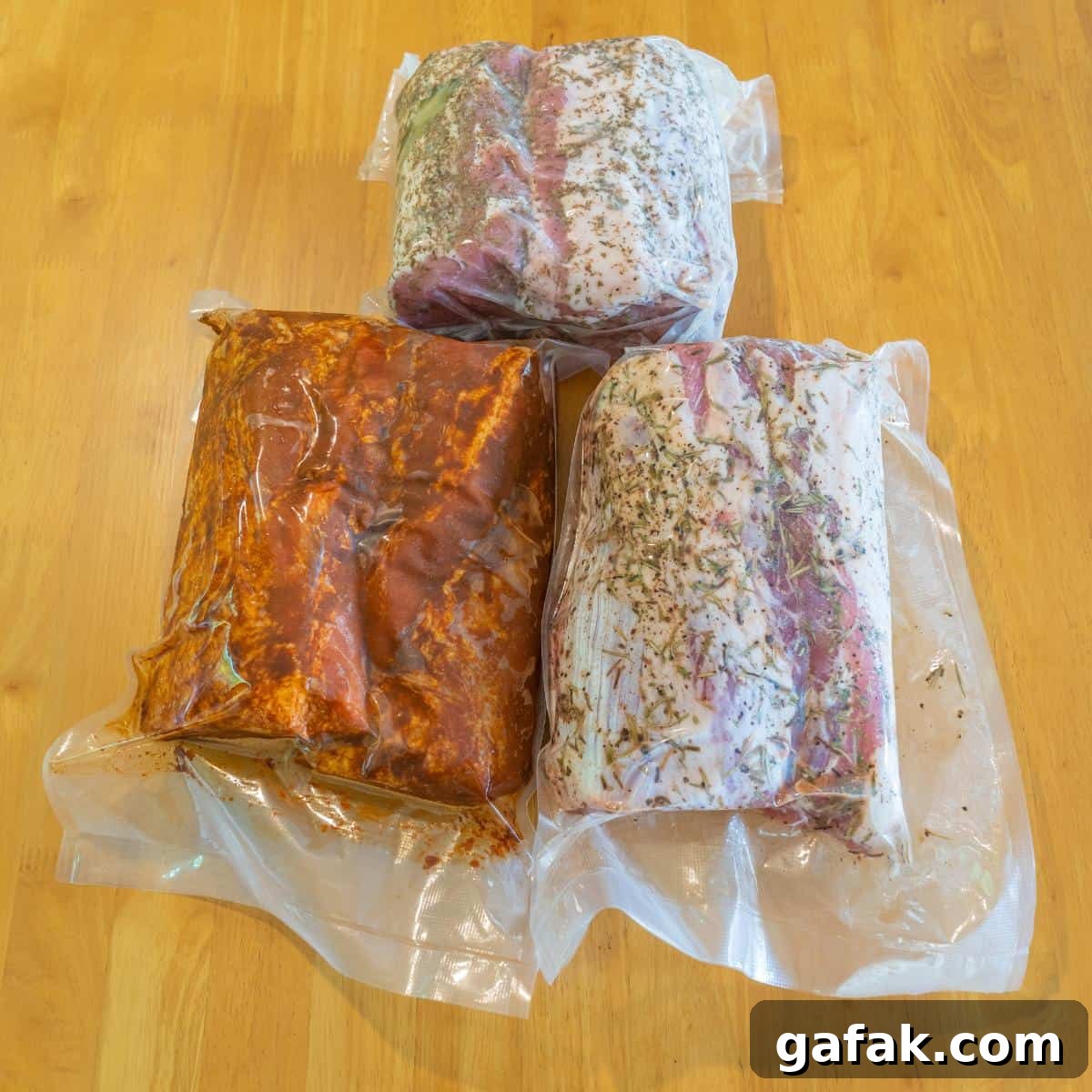
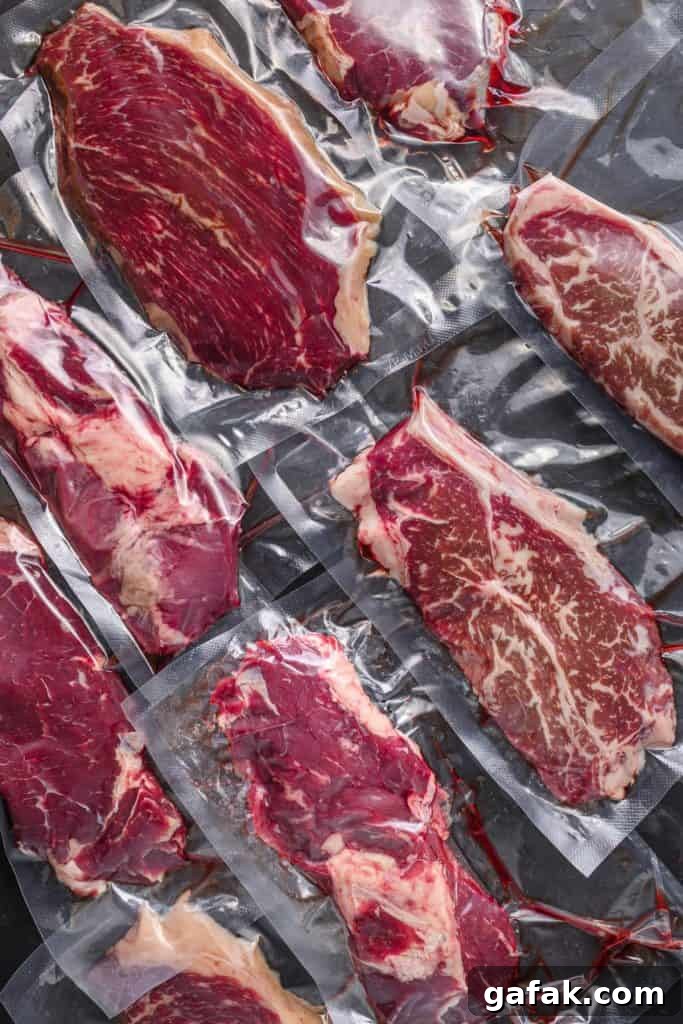
Buying meat in bulk saves money, but storing it properly is essential. Portion meats into meal-sized servings—individual chicken breasts, steaks, or ground meat patties—then season or marinate as desired. Seal each portion individually to prevent freezer burn and lock in flavors. When you need to cook, pull a packet from the freezer, thaw as needed, and prepare. This approach keeps meat tasting fresh and saves time during busy nights.
2. Sealing Individual Meal Servings
Batch-cook favorite dishes—chili, casseroles, stir-fries—and let them cool before portioning into single servings. Vacuum-seal each serving, removing as much air as possible, and label with contents and date. Stored in the freezer, these ready-to-heat meals offer quick lunches or dinners with minimal cleanup. Reheat in the microwave or by warming gently in a water bath for a convenient homemade meal in minutes.
3. Creating Smoothie Packs
Smoothie packs speed up mornings. Combine portioned fruits, greens, and add-ins—berries, sliced banana, spinach, protein powder, oats or chia—into vacuum-seal bags and freeze. When ready, empty a pack into a blender, add your preferred liquid, and blend. These packs keep ingredients fresh and reduce prep time while ensuring consistent portions and nutrition.
4. Storing Chopped Vegetables
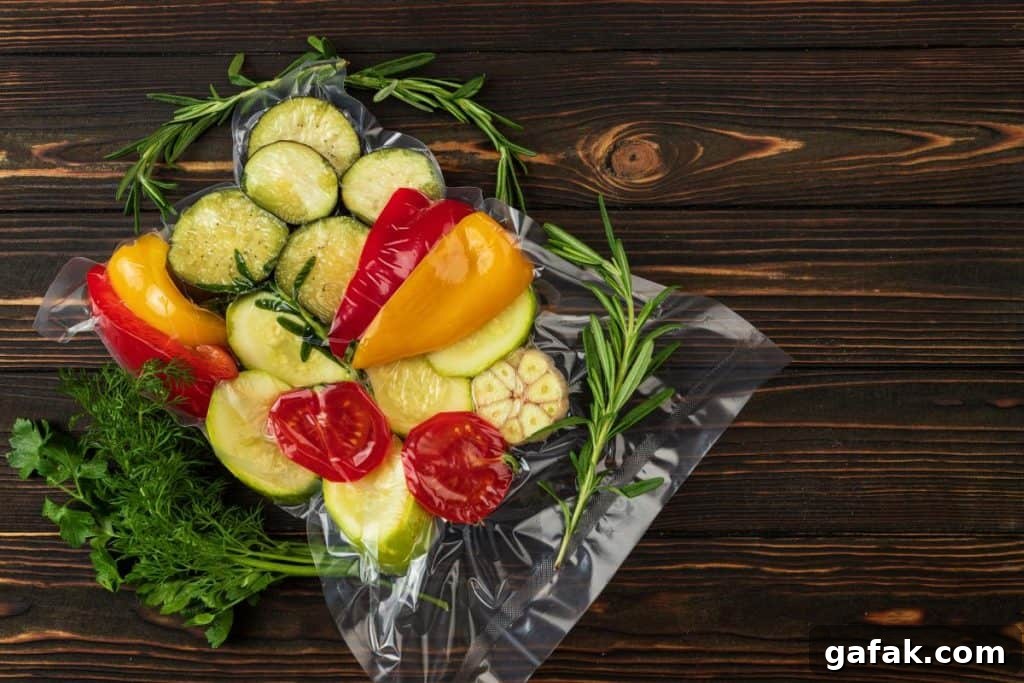
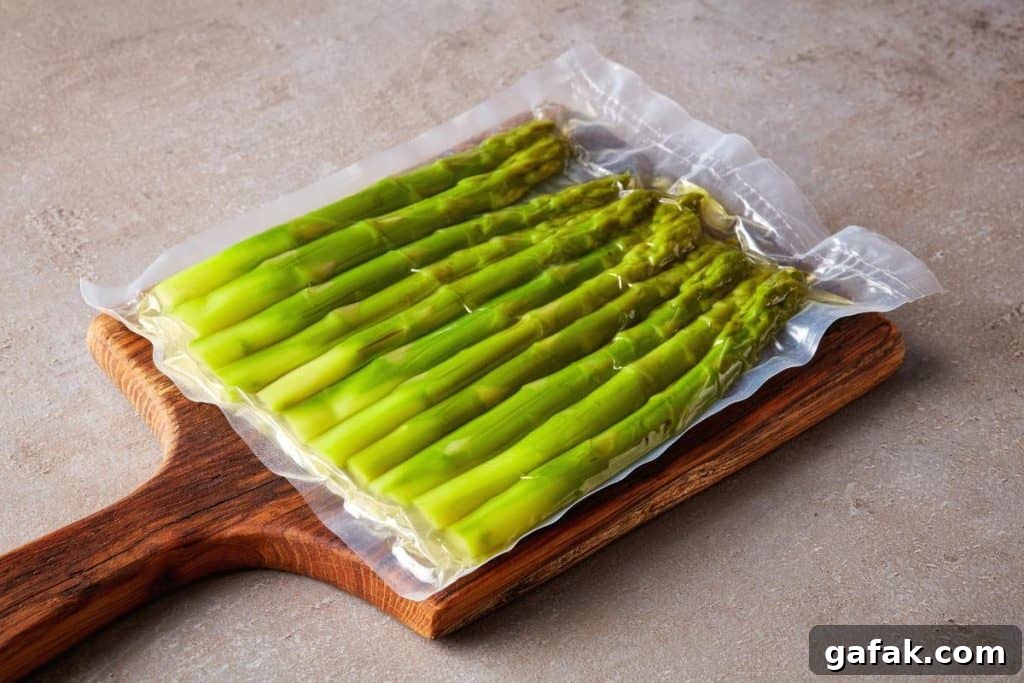
Wash, dry, and prep vegetables at the start of the week—dice onions, slice peppers, grate carrots, halve cherry tomatoes—and seal them in meal-specific bags. For high-moisture veggies like cucumbers or tomatoes, tuck in a paper towel to absorb excess liquid and keep textures crisp. Vacuum-sealed vegetables stay fresher longer and are ready for salads, stir-fries, or snacking.
5. Making Your Own Snack Packs
Create portion-controlled snack packs by combining nuts, dried fruit, granola, or pretzels into individual bags and sealing them. Vacuum sealing prevents staleness and makes picking a ready-made snack easy, limiting overeating and keeping a variety of healthy options on hand for busy days or travel.
6. Prepping and Sealing Homemade Soups and Sauces
Prepare soups, stews, or sauces in large batches, cool them completely, then pour into vacuum-seal bags with some headspace for expansion. Lay the sealed bags flat in the freezer—this saves space and allows for neat stacking. Reheat by warming in a pot after removing the bag or by placing the sealed bag in simmering water. This method delivers quick, flavorful meals on nights when cooking time is limited.
7. Preserving Cheese and Deli Meats
Extend the shelf life of cheeses and deli meats by vacuum sealing. Wrap cheese in wax paper before sealing to preserve texture and flavor. For deli slices, separate with parchment paper, roll tightly, and seal to prevent slices from sticking together. Properly sealed cheese and meats last longer in the fridge or freezer, reducing waste and saving money.
8. Sealing Dough and Baking Mixes
Portion dough for bread, pizza, or cookies and vacuum seal before freezing to prevent freezer burn and preserve freshness for months. You can also premix dry baking ingredients—pancakes, muffins, or bread—and seal them with instructions and required wet ingredients written on the bag. This saves prep time and simplifies baking sessions.
9. Pre-cooked Grains and Legumes
Cook rice, quinoa, barley, lentils, or chickpeas in bulk, cool them completely, and seal into meal-sized portions. These sealed portions reheat quickly and make assembling salads, grain bowls, or hearty additions to soups and stews fast and convenient, helping you build nutritious meals with minimal effort.
10. Herbs and Spices
Preserve fresh herbs by washing, thoroughly drying, and sealing small bunches. For spices, buy in larger quantities and portion into smaller vacuum-sealed bags to maintain potency. Removing air prevents oxidation, so herbs and spices retain aroma and flavor longer, keeping your dishes vibrant and fresh-tasting.
Incorporating a vacuum sealer into your meal-prep routine streamlines cooking, reduces waste, and helps you eat better with less effort. From portioned proteins and ready-to-blend smoothie packs to preserved herbs and flat-packed soups, vacuum sealing opens up many practical ways to organize your kitchen and save time. Try different combinations and portion sizes to find what suits your schedule and taste—once you start, it’s easy to discover new uses that make weekday meals simpler and more enjoyable.