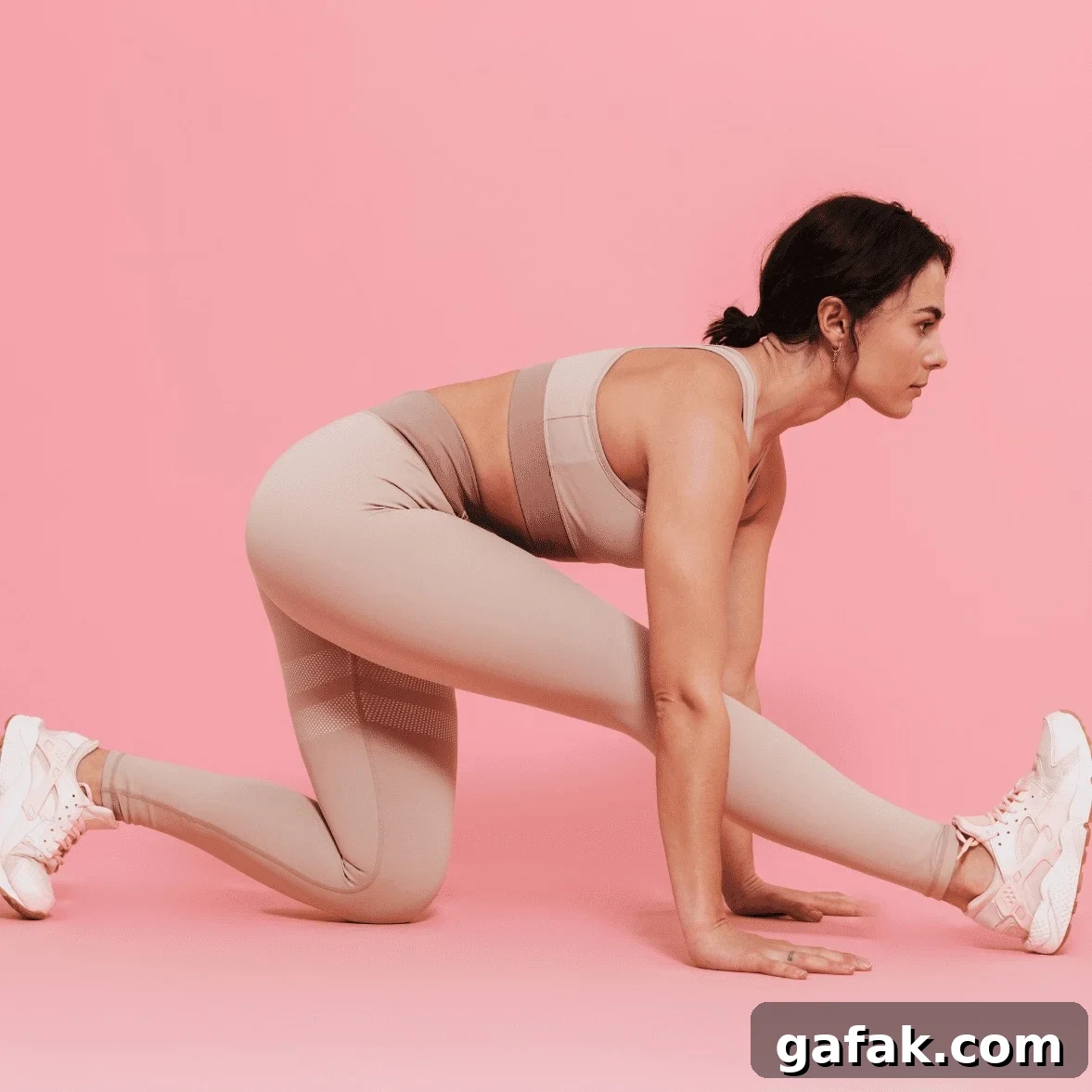
You’re doing it: exercising regularly, getting fitter, and sticking with your routine. That’s fantastic. But now you may be dealing with sore, tight calves—especially common if you run frequently. The good news: with the following at‑home calf exercises and targeted stretches for the gastrocnemius (gastroc) and soleus muscles, you can reduce tightness and restore strength.
Calf Muscles
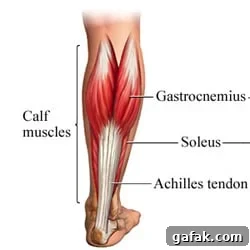
Your calf consists mainly of two muscles: the gastrocnemius and the soleus, with a smaller plantaris muscle nestled between them. The gastrocnemius forms the larger, more prominent portion of the calf, so most people feel the greatest tightness or discomfort there.
Why is my soleus so tight?
Tight calves can come from many causes: overuse from repetitive training, underuse from prolonged inactivity, muscle strain, or injury. If you experience sharp or intense pain, consult a medical professional. For general tightness, consistent stretching and gentle mobility work help reduce stiffness and improve function.
How do you stretch a soleus or gastroc?
Start each stretch slowly and stop at the point of tension—not pain. Breathe steadily and relax into the movement, allowing the muscle to release over a series of holds. The stretches below are chosen to specifically target the gastrocnemius and soleus.
Calf Exercises At Home
When calf tightness appears, a regular stretching routine is essential. Stretching before activity helps warm and prepare the muscle; stretching afterward helps it recover. If you feel tightness at any point, use these exercises to relieve discomfort and restore mobility.
Below are seven effective calf stretches to perform at home. Use them as a warm‑up before workouts and as part of your cool‑down afterward.
Let’s get stretching!
1. Standing Wall Stretch
- Stand a couple of feet from a wall and place both hands on it.
- Step one foot forward so the front knee is slightly bent and the back leg is behind you.
- Bend both knees while keeping both heels pressed into the floor—this emphasizes the soleus.
- Hold 30–60 seconds, breathing into the stretch.
- To increase intensity, gently bend and straighten the legs while keeping the heels planted.
- Repeat twice per side and switch legs.
2. Down Dog Calf and Achilles Stretch
- Begin in downward‑facing dog with hands and feet on the floor and hips raised.
- With both legs straight, press your heels toward the floor.
- Bend one knee while keeping the other leg straight and press that straight leg’s heel down to deepen the stretch.
- Hold each side 5–10 seconds and repeat, switching sides as needed.
3. Seated Calf Stretch with a Resistance Band
- Sit on the floor with legs extended and back straight.
- Loop a resistance band or tubing around the arch of one foot so it is secure.
- Pull the band toward you to create constant tension, then dorsiflex and plantarflex the ankle—moving from toe toward your shin and then pointing the toes.
- Continue for 30 seconds, then switch sides. Repeat 2–4 sets per leg.
4. Lunging Calf Stretch
- Place hands on your hips and step one foot back into a mini lunge. The front knee should be bent; the back leg starts near 90 degrees.
- Drive through the front heel and press the back heel down toward the floor; increasing distance between feet deepens the soleus stretch.
- Hold the pressed position briefly, then release and repeat the bend/straighten motion of the back knee for 30 seconds.
- Switch sides and repeat 2–4 rounds per leg.
5. Heel Drop Stretch
- Use a stair, bench, or other small elevated surface.
- Stand with both feet on the edge so the heels can drop below the step level.
- Rise onto the balls of your feet, then slowly lower the heels down to the floor to lengthen the calves.
- Keep the legs straight to emphasize the gastrocnemius; repeat the rise/drop motion for 30 seconds.
- Perform 2–3 sets.
6. Walking Bent Over Calf Stretch
This dynamic stretch targets the calves and the posterior chain, including the hamstrings.
- Stand with feet hip‑width apart and take a step forward.
- Dig the back heel into the ground while slightly bending the front knee; keep the back leg straight.
- Flex the back foot so the toes point upward and reach to grab the toes, holding 2–3 seconds.
- Stand up, step forward with the opposite foot, and repeat the pattern—walking forward while dorsiflexing each foot to deepen the stretch.
If space is limited, perform this standing in place: alternate legs, bend over, flex the toes toward the face, and hold 2–3 seconds per side.
7. Foam Roll Stretch
Foam rolling, a form of self‑myofascial release, helps loosen tight muscle tissue and improve circulation. Use it after workouts to complement your stretches.
- Sit with legs extended and place the foam roller under one calf between the knee and ankle.
- Use your hands behind you for support, lift your hips, and slowly roll from below the knee down toward the ankle.
- Pause and hold on tender “sticky” spots to release tension.
- Adjust toe position—pointing the toes inward emphasizes the inner calf; pointing outward targets the outer soleus.
- Roll for about 30 seconds per side and complete two rounds on each leg.
Should you stretch a strained soleus or gastroc muscle?
A strained calf usually stems from an acute injury rather than gradual tightness. While stretching is an important part of rehabilitation, treat a new strain cautiously. Follow RICE principles initially: rest, ice, compression, and elevation. Choose low‑impact activities—such as walking—while symptoms settle, and introduce the gentle stretches above as pain allows to help restore mobility and strength.
Consistent, gentle stretching combined with appropriate rest and gradual return to activity will help most people ease calf tightness and prevent future flare‑ups. If pain persists or worsens, seek evaluation from a healthcare professional.