
We’ve all heard the old adage about eating carrots for better eyesight.

There’s some truth to it. Experts at ThinkAboutYourEyes.com note that diet can influence eye health.
Carrots provide vitamin A and xanthophylls, nutrients that help support vision, according to ophthalmologist Ann M. Hoscheit, a contributing expert at ThinkAboutYourEyes.com.
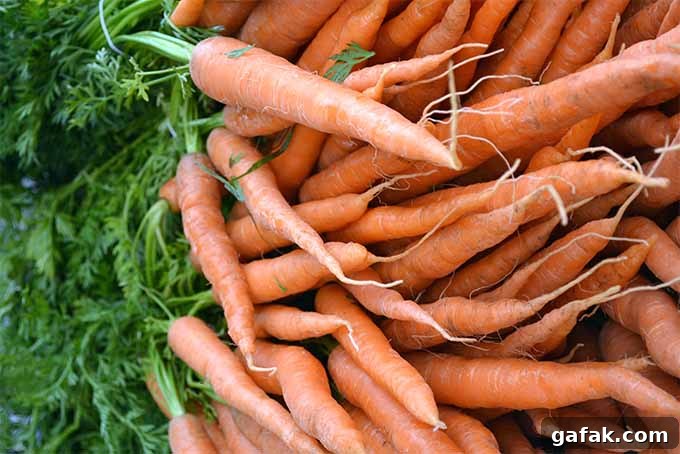
Vitamin A is also abundant in beef liver, sweet potatoes, kale, spinach, broccoli, and butter. Xanthophylls, yellow pigments that play a role in light absorption, are found in leafy greens, peas, green beans, corn, beets, peppers, and carrots.
Below are additional foods that benefit the eyes and the nutrients they provide.
For General Eye Health
Cold-water fish such as sardines, herring, tuna, and wild-caught salmon are rich in DHA and other omega-3 fatty acids that can help prevent dry eye syndrome and reduce the risk of macular degeneration.
Leafy greens like spinach, kale, and broccoli deliver vitamin C, beta-carotene, lutein, and zeaxanthin, nutrients that protect retinal tissue, filter harmful blue light, and may lower the risk of macular degeneration and cataracts.
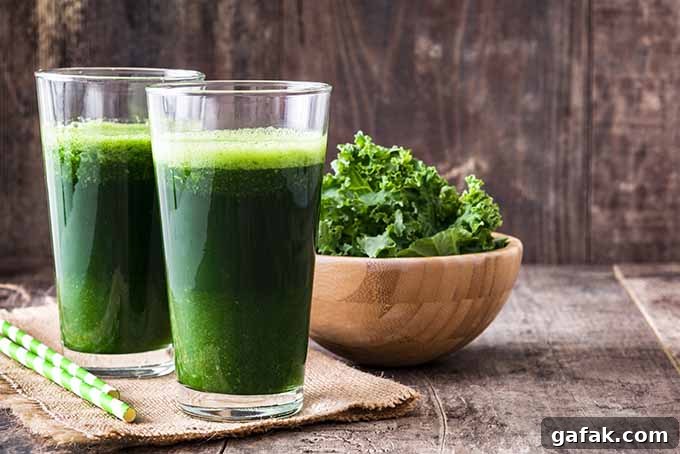
Colorful fruits and vegetables also contribute: peppers, oranges, strawberries, and blueberries provide antioxidants and vitamins that support ocular health.
Vitamin E, found in almonds, peanuts, cashews, and other nuts, helps protect eye cells from oxidative stress. Zinc, abundant in red meat, supports melanin production and contributes to eye protection.
Can Food Prevent Nearsightedness?
Research suggests that certain nutrient deficiencies in children may be linked to higher rates of myopia. One study that examined vitamin D levels in adolescents found that lower vitamin D correlated with more severe nearsightedness, according to Hoscheit.
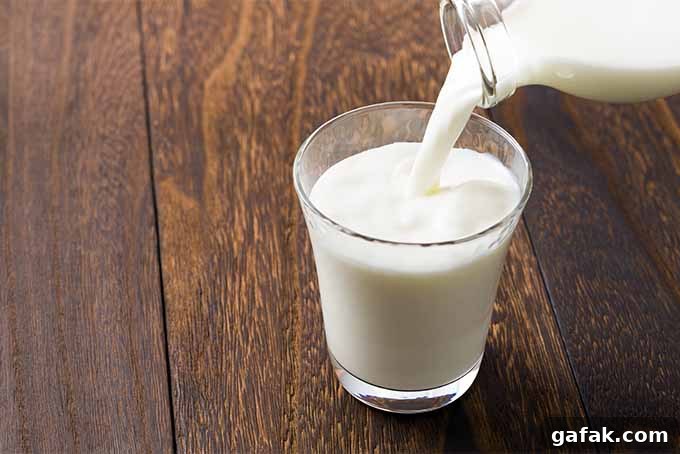
Good dietary sources of vitamin D include fatty fish, egg yolks, mushrooms, and fortified milk, along with sensible sun exposure. Other nutrients often lower in children with myopia include vitamins B1, B2, and C, as well as phosphorus and iron.
Nutrition can also support other eye conditions. For glaucoma, experts often recommend ensuring adequate intake of vitamins C and D, B6 and B12, folate, magnesium, and manganese. Citrus fruits provide vitamin C; B6 is found in fish, organ meats, potatoes, and starchy vegetables; B12 is present in dairy, meat, fish, and poultry. Dark leafy greens supply folate, magnesium, and manganese, while dark chocolate is a source of magnesium.

People with diabetes should pay attention to vitamin B12 and coenzyme Q10. Some diabetes medications can deplete these nutrients, and replenishing them may help protect the retina and optic nerve. Coenzyme Q10 is found in broccoli, dark leafy greens, nuts, fish, shellfish, pork, chicken, and beef. Maintaining healthy levels of vitamin D and omega-3s can also assist with blood sugar stabilization.

While dietary choices can support eye health, Hoscheit advises patients with significant vision concerns to consult their eye care professional about proper nutrition and treatment.
Even if your family has a history of good eyesight, don’t skip annual eye exams. Regular checkups detect issues early and protect long-term vision.
A study by the National Eye Institute found that antioxidants can reduce the risk of developing advanced age-related macular degeneration, underscoring the value of an antioxidant-rich diet.
In Search of 20/20
In short: include fish, beef liver, leafy greens, colorful fruits and vegetables, nuts, and modest amounts of dairy and eggs in a balanced diet to provide nutrients that support eye health. Combine nutritional care with regular eye exams to maintain clear vision.

Eat reasonable portions of these foods as part of an overall healthy diet, see an optometrist or ophthalmologist annually, and you’ll give your eyes a better chance at staying healthy.
Do you pay particular attention to nutrition for your eyesight? Share your tips and experiences in the comments section below.
Photo credit: Shutterstock.
The staff at Foodal are not medical professionals and this article should not be construed as medical advice. Always consult a medical professional before changing your diet or using supplements.