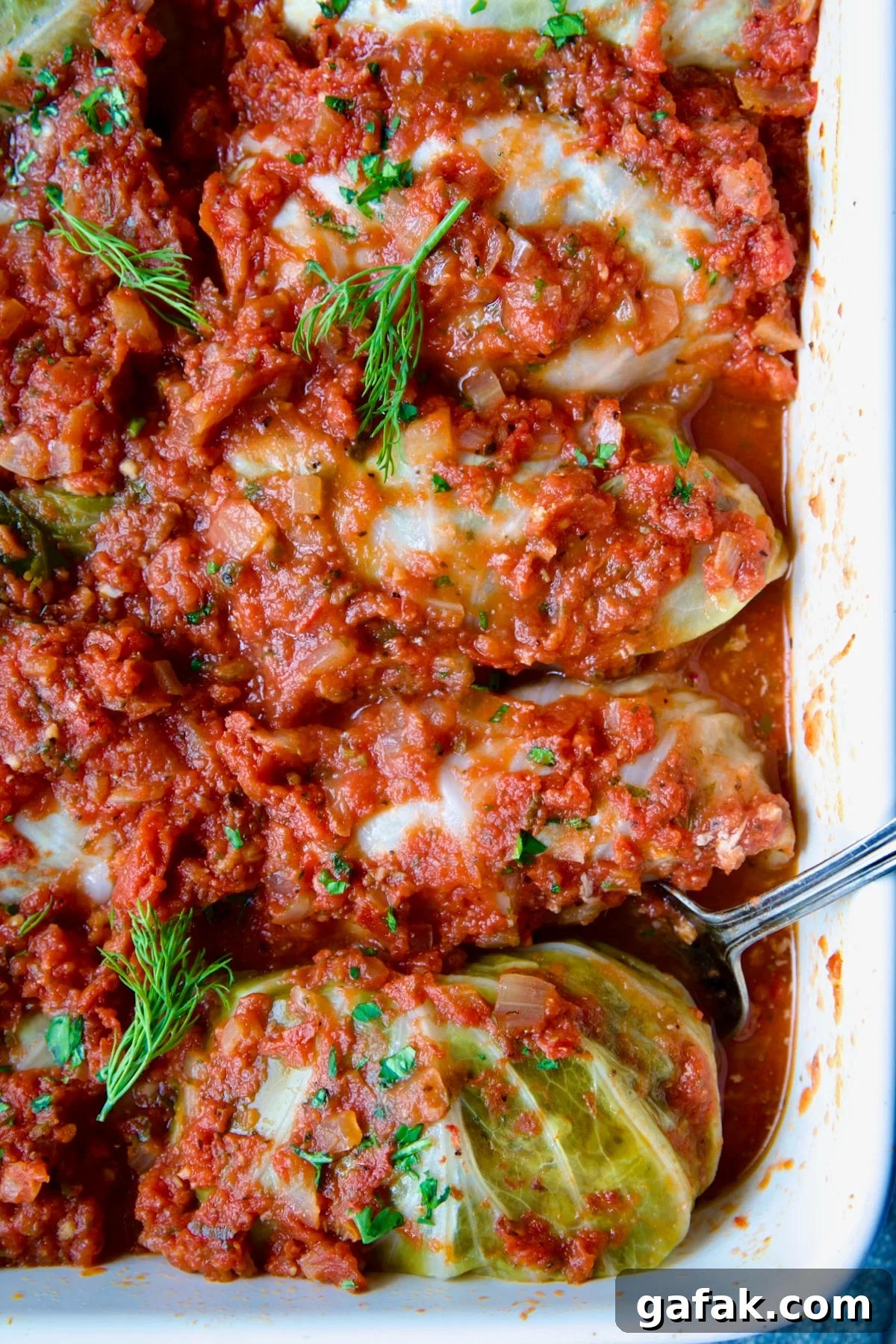
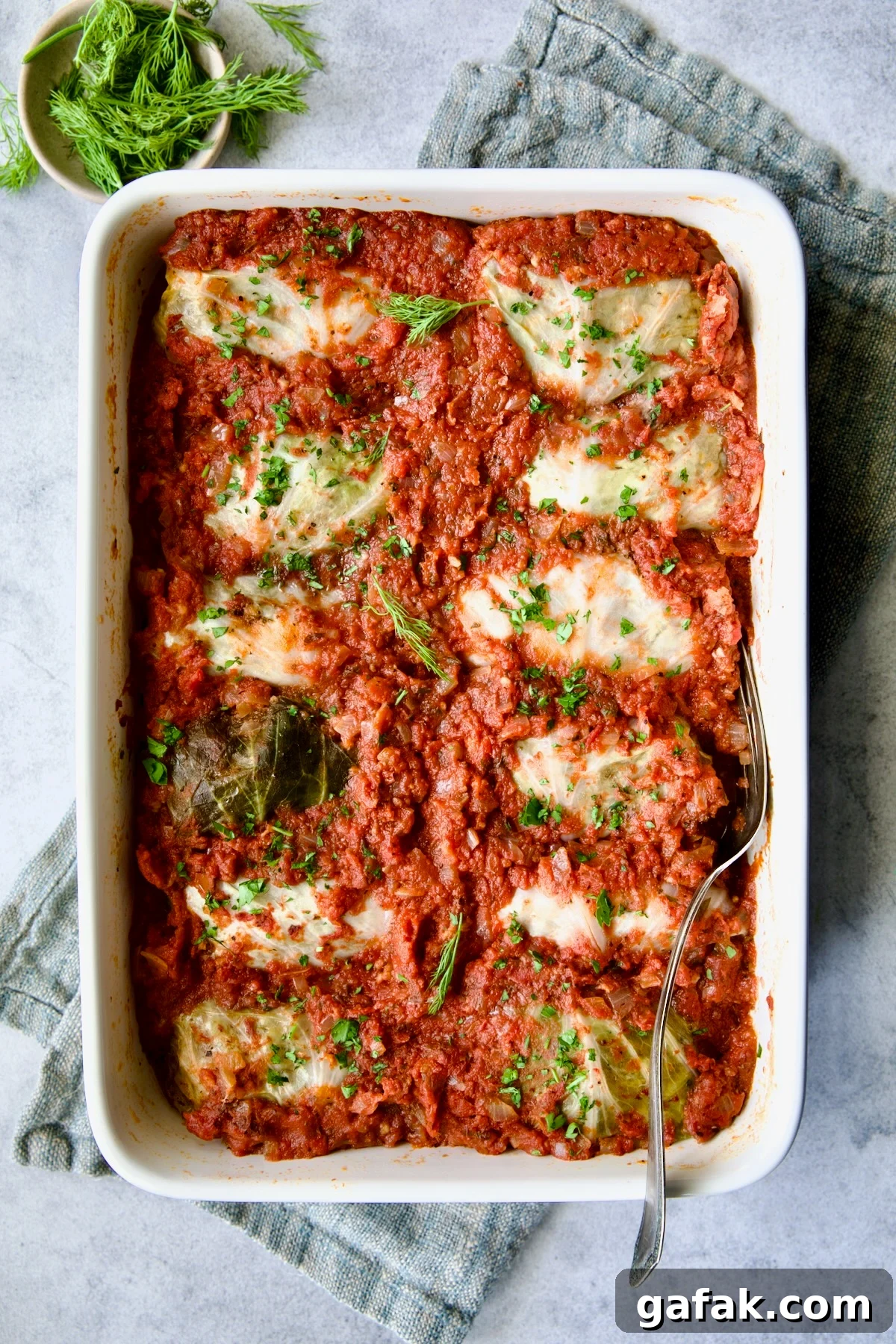
These authentic stuffed Polish Cabbage Rolls are the perfect cold‑weather comfort food. Hearty and wholesome, the cabbage leaves soften and take on a buttery texture as they bake in a homemade tomato sauce, creating rolls that practically melt in your mouth. Serve with a radish salad, roasted beets, skillet green beans, or roasted baby potatoes for a complete meal.
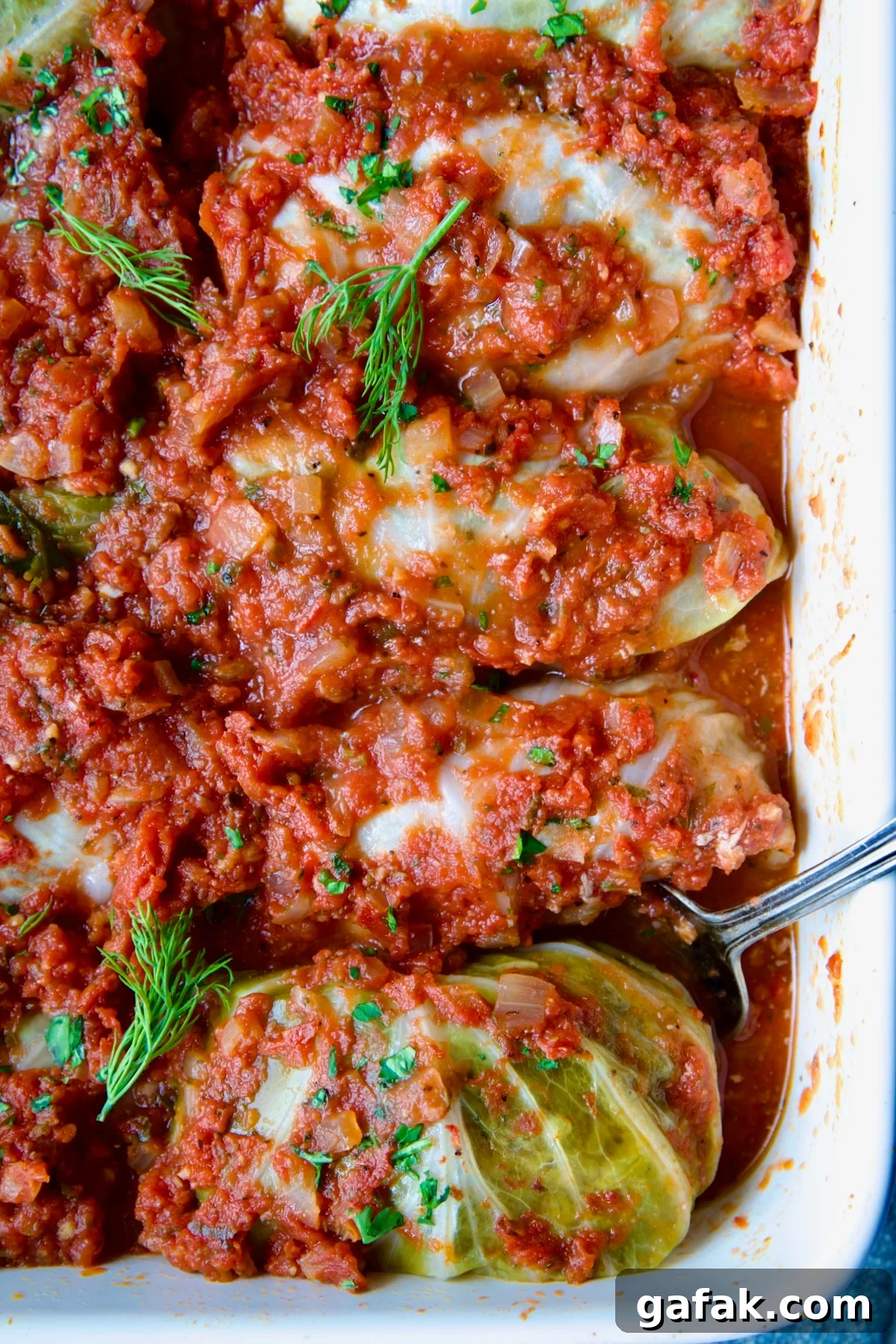
What is Golumpki (Gołąbki)?
Golumpki (also spelled Gołąbki), literally “little pigeons,” is a classic Polish dish of cabbage leaves filled with a savory mixture of ground meat and rice, then braised in sauce. In Poland the sauce is often tomato‑based, though mushroom sauces are also common. The filling is typically economical and satisfying, which is why golumpki are a beloved family and holiday dish, especially at Christmas.
Why This Recipe is a Keeper!
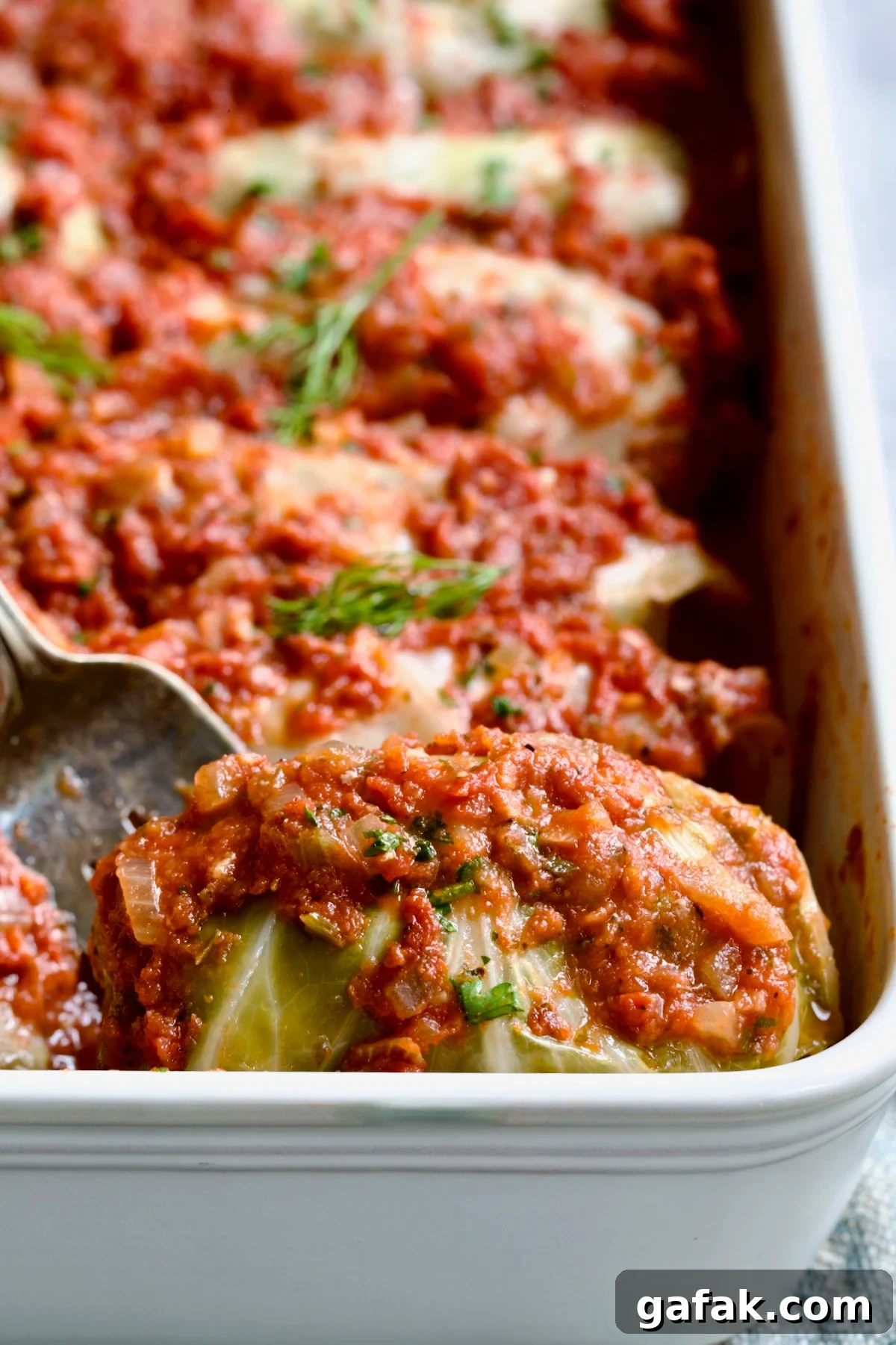
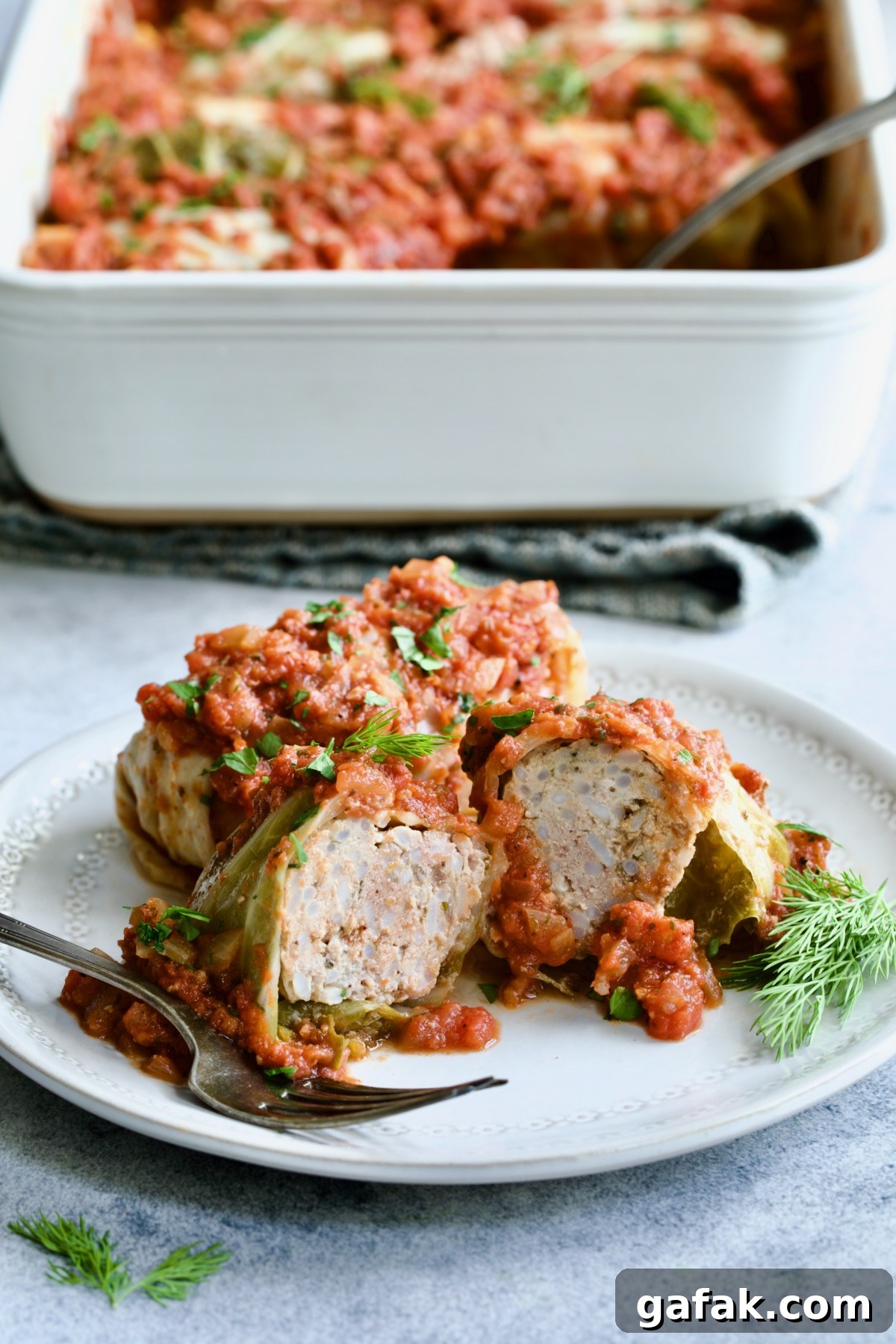
This golumpki recipe is straightforward, makes a generous batch, and reheats beautifully—flavors develop even more after a day in the fridge. The filling combines ground beef and pork for richness, and the tomato sauce is brightened with dried marjoram for an earthy, woodsy note common in Polish cooking. The cabbage becomes tender and buttery as it simmers in the sauce.
These cabbage rolls are family‑friendly: mild enough for kids, satisfying for adults, and adaptable if you prefer to make them ahead or freeze portions for later.
This recipe is:
- Authentic—adapted from a traditional Polish source.
- Savory and comforting—tender cabbage wrapped around a hearty, meaty filling.
- Budget‑friendly—great for ground beef and pork.
- Freezer‑friendly—assemble or bake in advance and freeze for later.
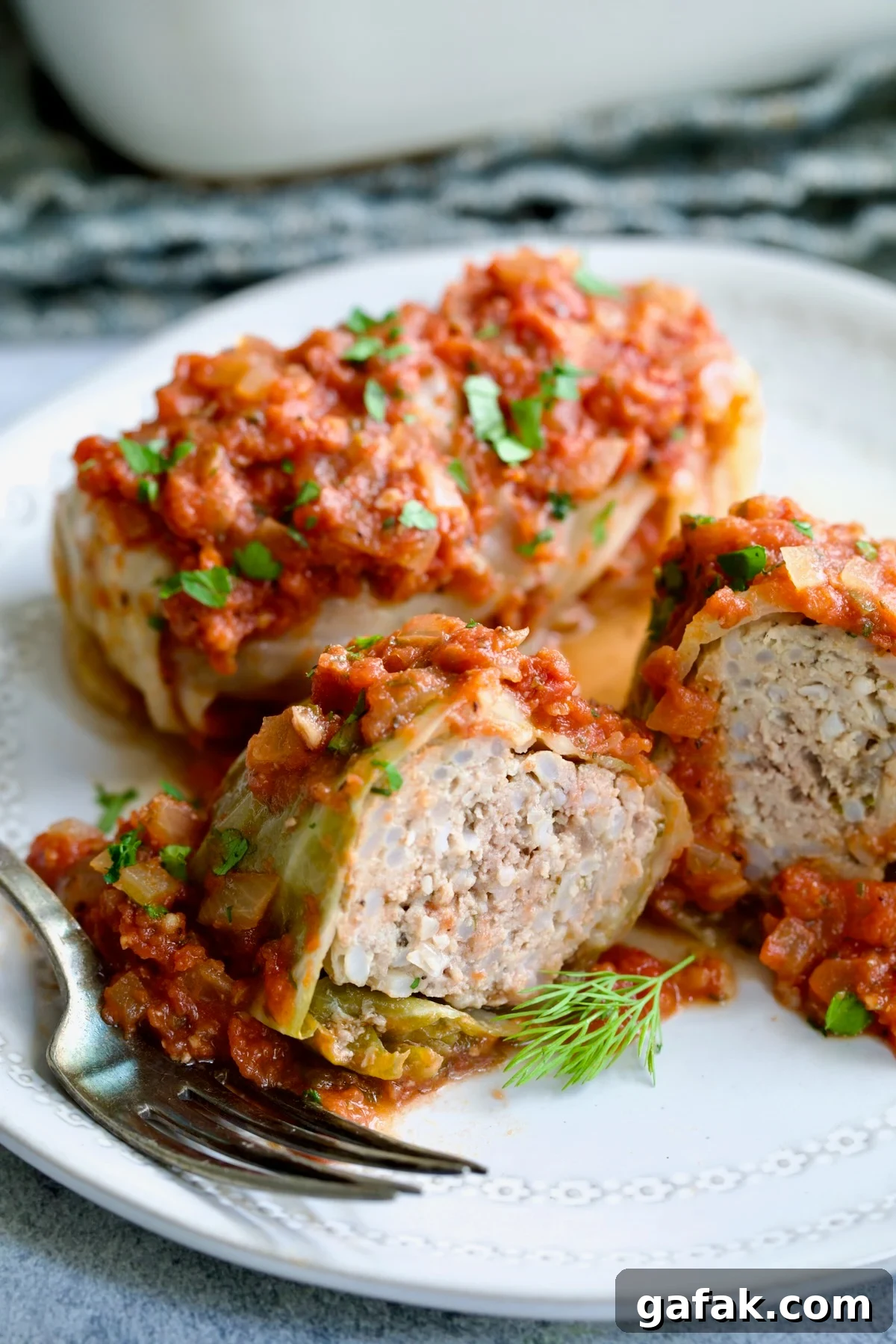
How to Make Golumpki (Polish Cabbage Rolls)
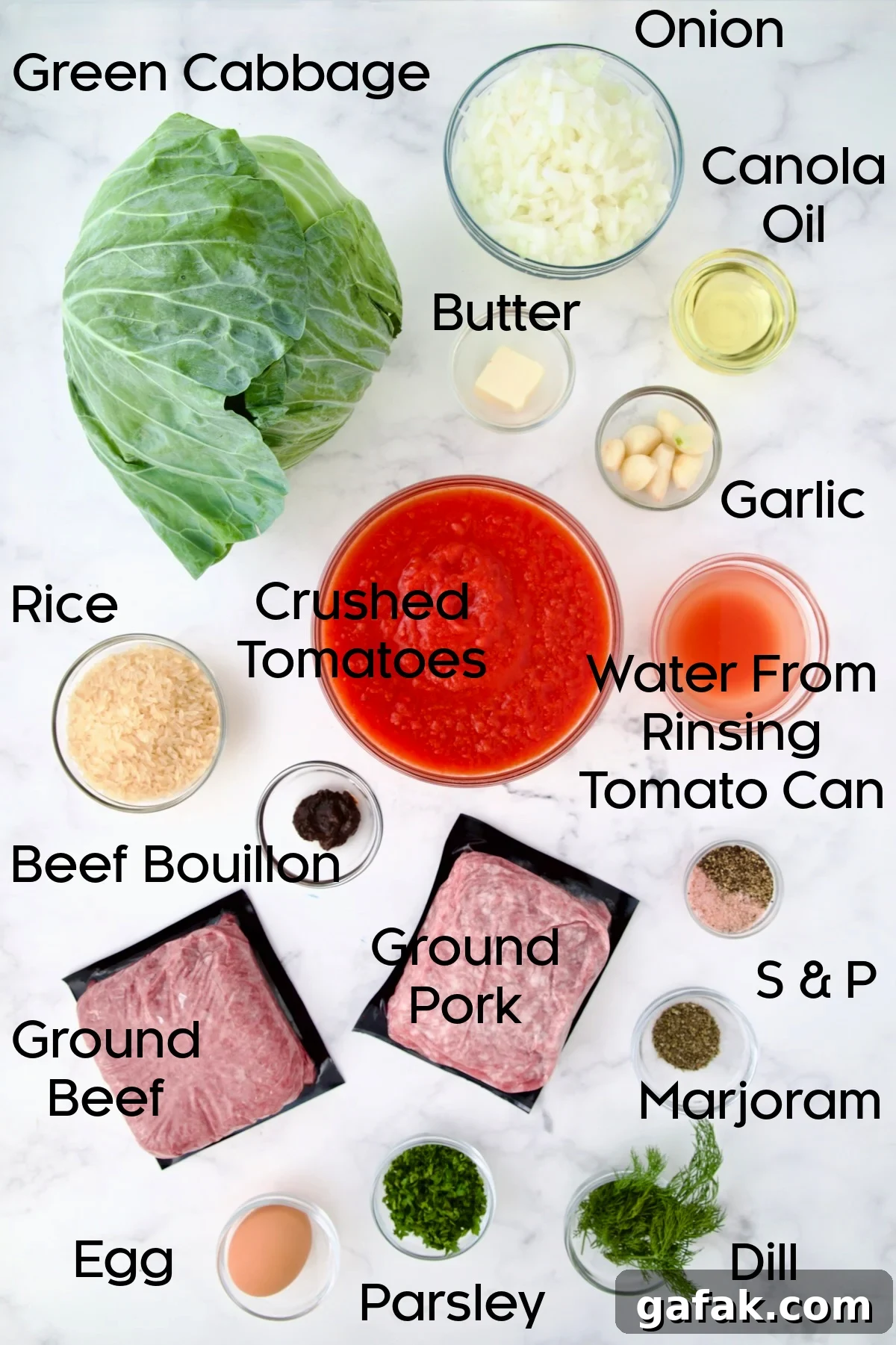
Recipe Ingredients
Below are the components you’ll need; see the recipe card for exact quantities.
Ingredient Notes and Substitutions
- Cabbage: Green cabbage is traditional; Savoy works well if you prefer a milder, sweeter leaf.
- Rice: Parboiled (converted) rice holds its texture better, but regular white or brown rice can be used—cook it only to al dente for best results.
- Tomatoes: Crushed tomatoes give body to the sauce; tomato sauce can be substituted. Canned tomato soup is a convenience option but not traditional.
- Marjoram: Common in Polish cooking for its earthy flavor; thyme is a good substitute.
- Beef Bouillon: A concentrated paste provides better flavor than salty cubes—use low‑sodium if possible.
- Meats: Ground chuck (80/20) adds richness; swap in leaner ground beef if preferred. Ground pork contributes flavor but can be omitted for all‑beef rolls.
Step‑by‑Step Instructions
- Gather and prep all ingredients. Preheat oven to 350°F and spray a 13 x 9‑inch baking dish with cooking spray.
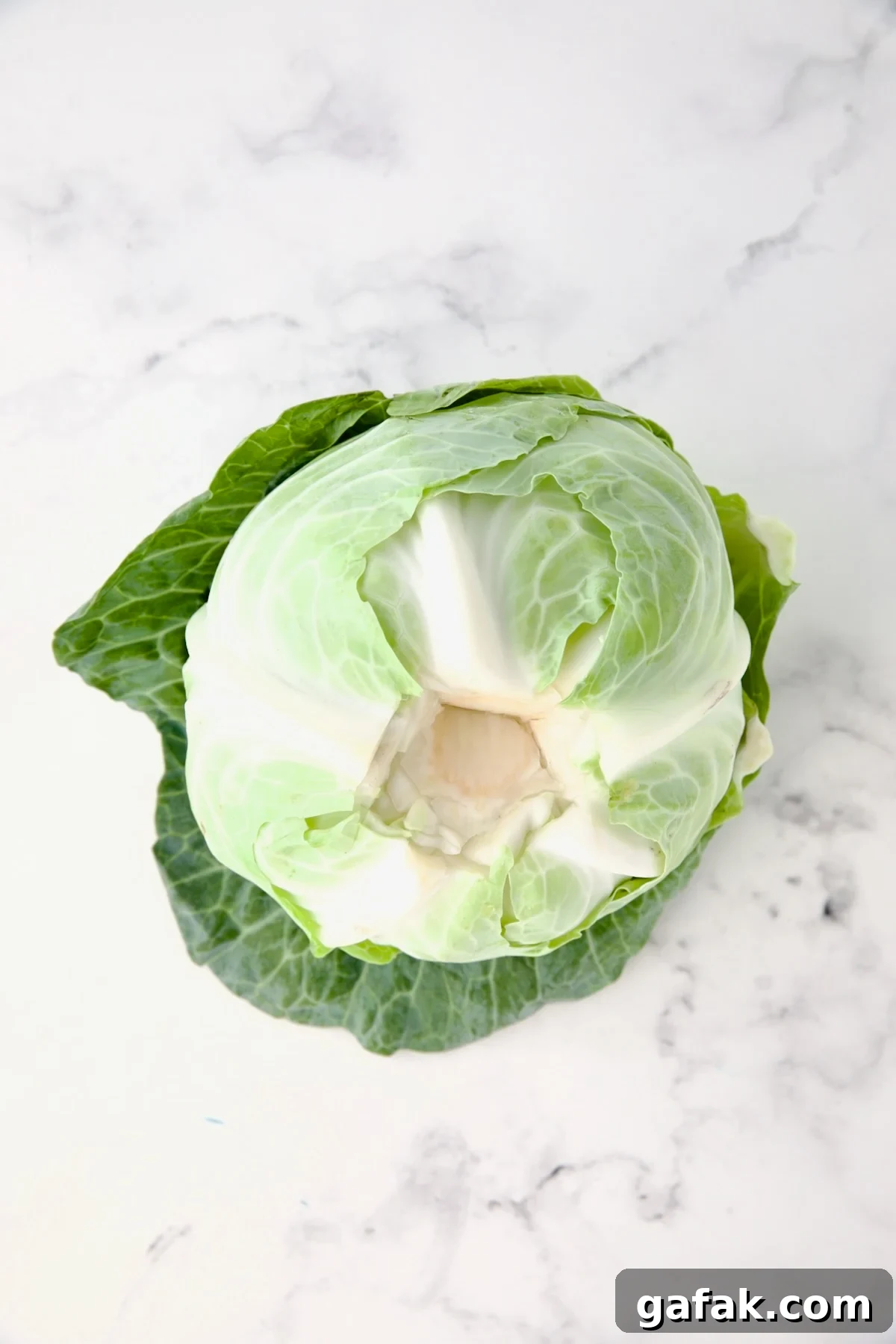
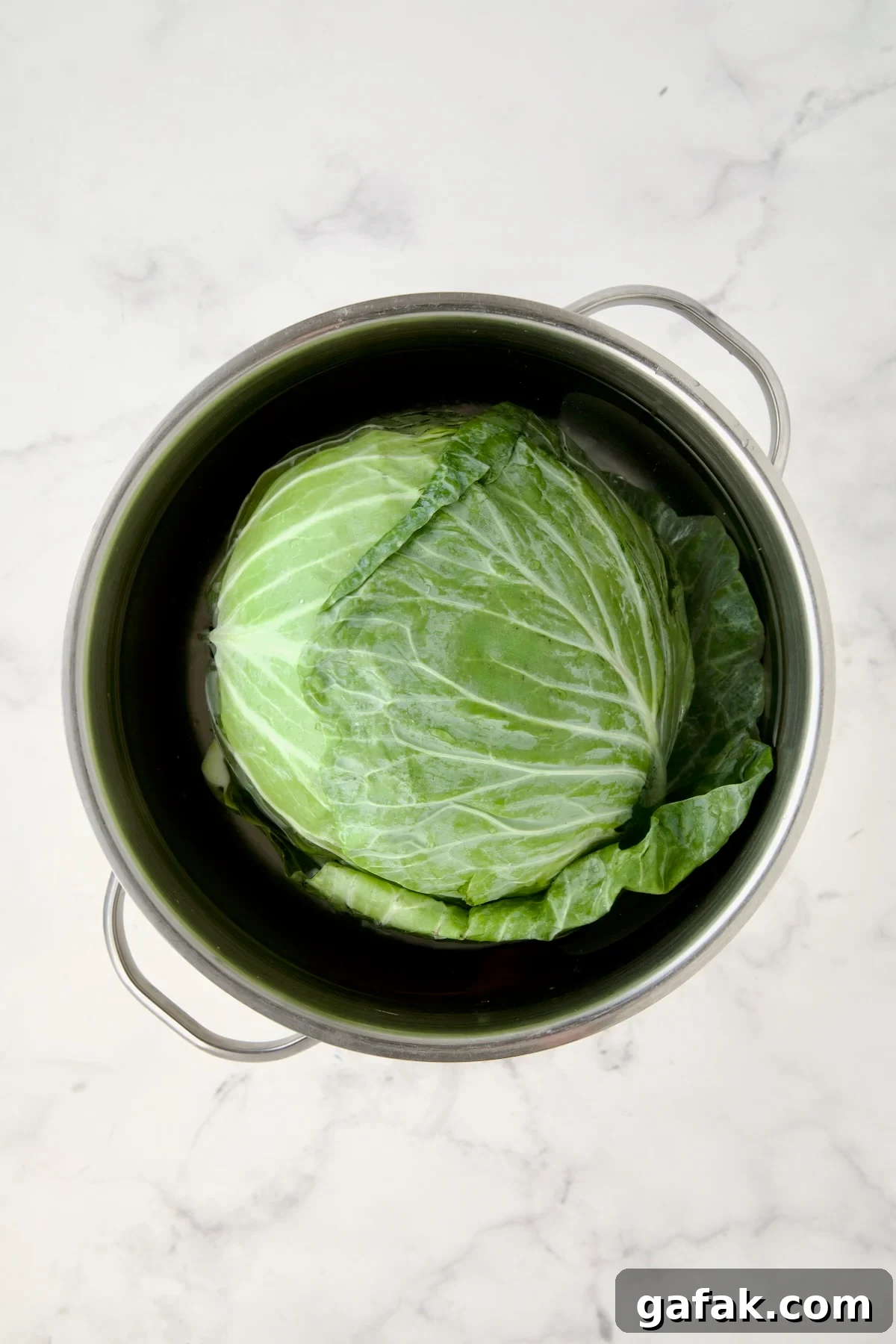
- Prepare the cabbage: Remove as much of the core as possible. Place the whole head in a large pot of salted water, bring to a boil, and blanch 5–6 minutes until you can remove about 12 large leaves with tongs (use a knife to help loosen leaves if needed).
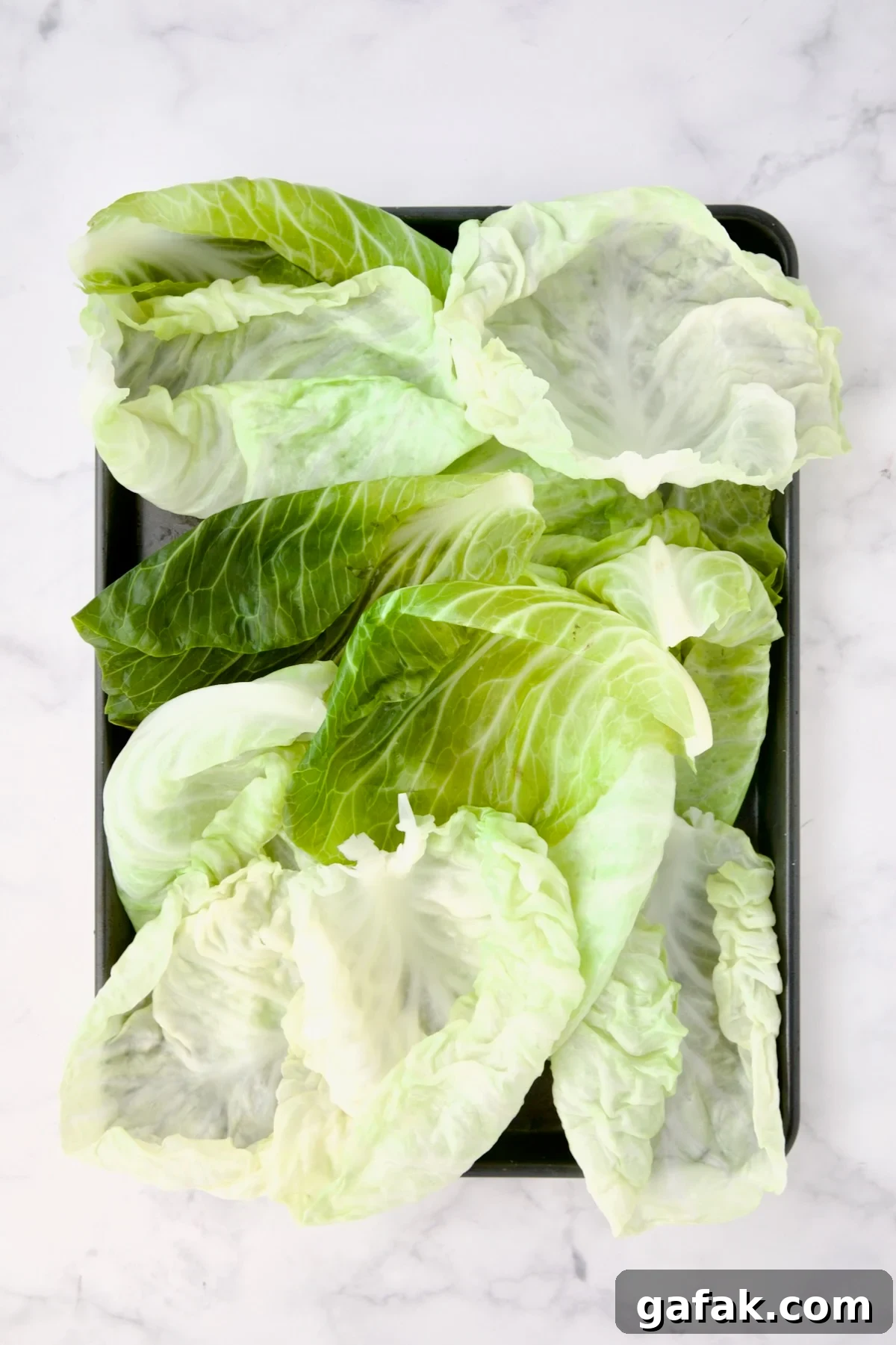
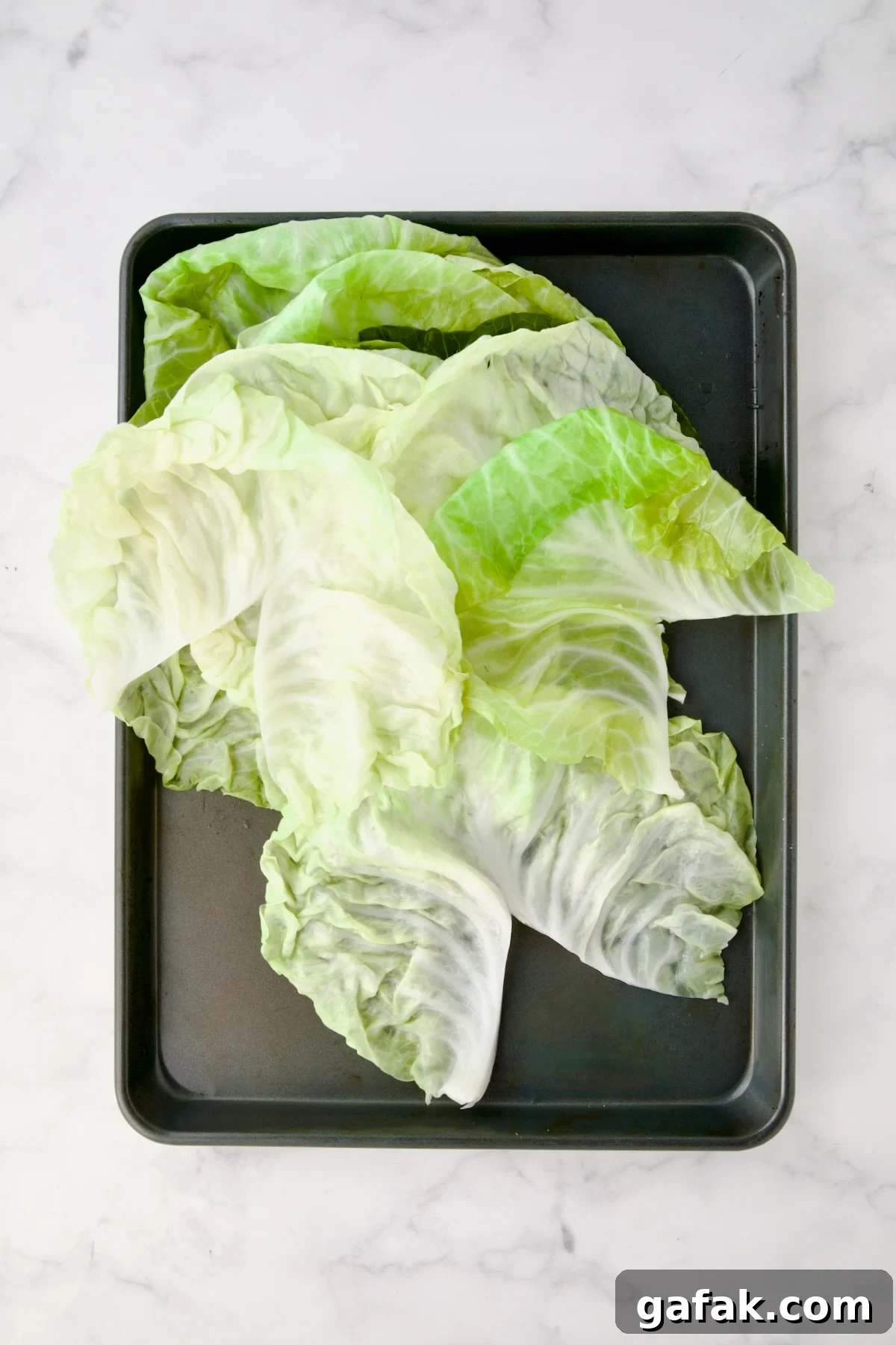
- Lay leaves on a rimmed baking sheet to cool. When cool enough to handle, cut out the thick center rib as a V‑shape so the leaf folds easily. Set the trimmed head aside for another use.
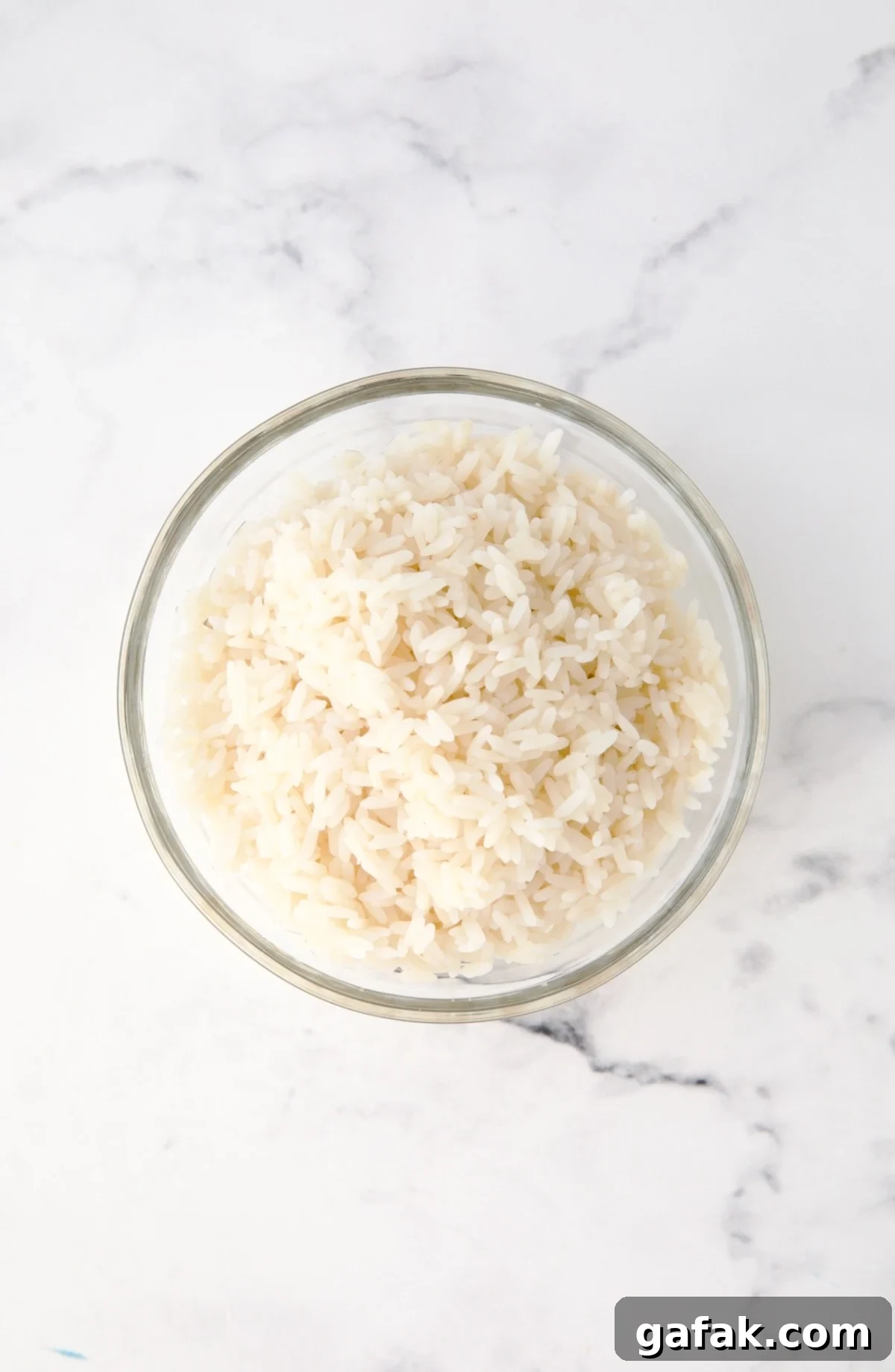
- Cook the rice: Use the same water from blanching the cabbage to cook the uncooked rice. Return to a boil and simmer 6–7 minutes until al dente. Drain, rinse under cold water to stop cooking, drain again, and transfer to a large bowl.
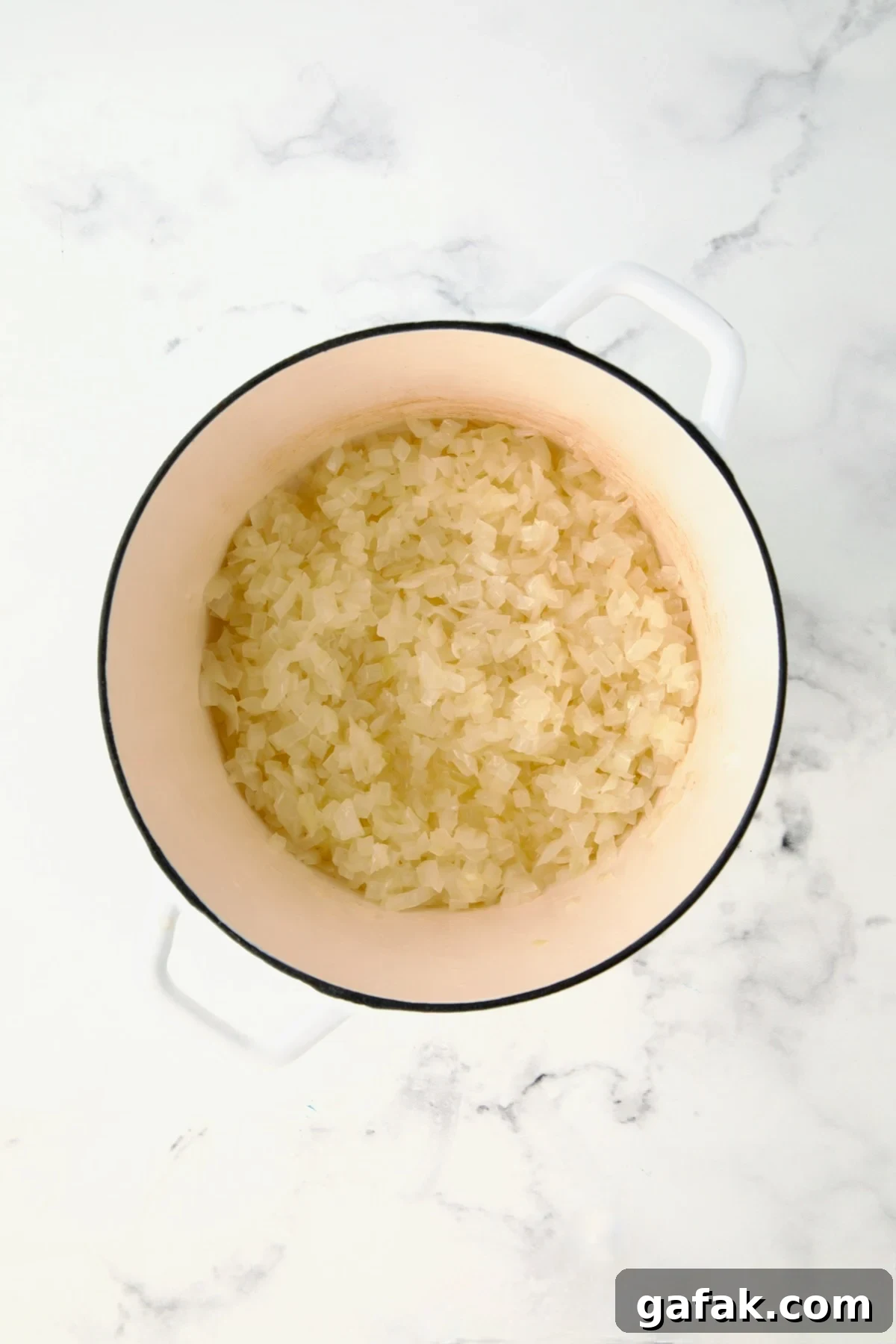
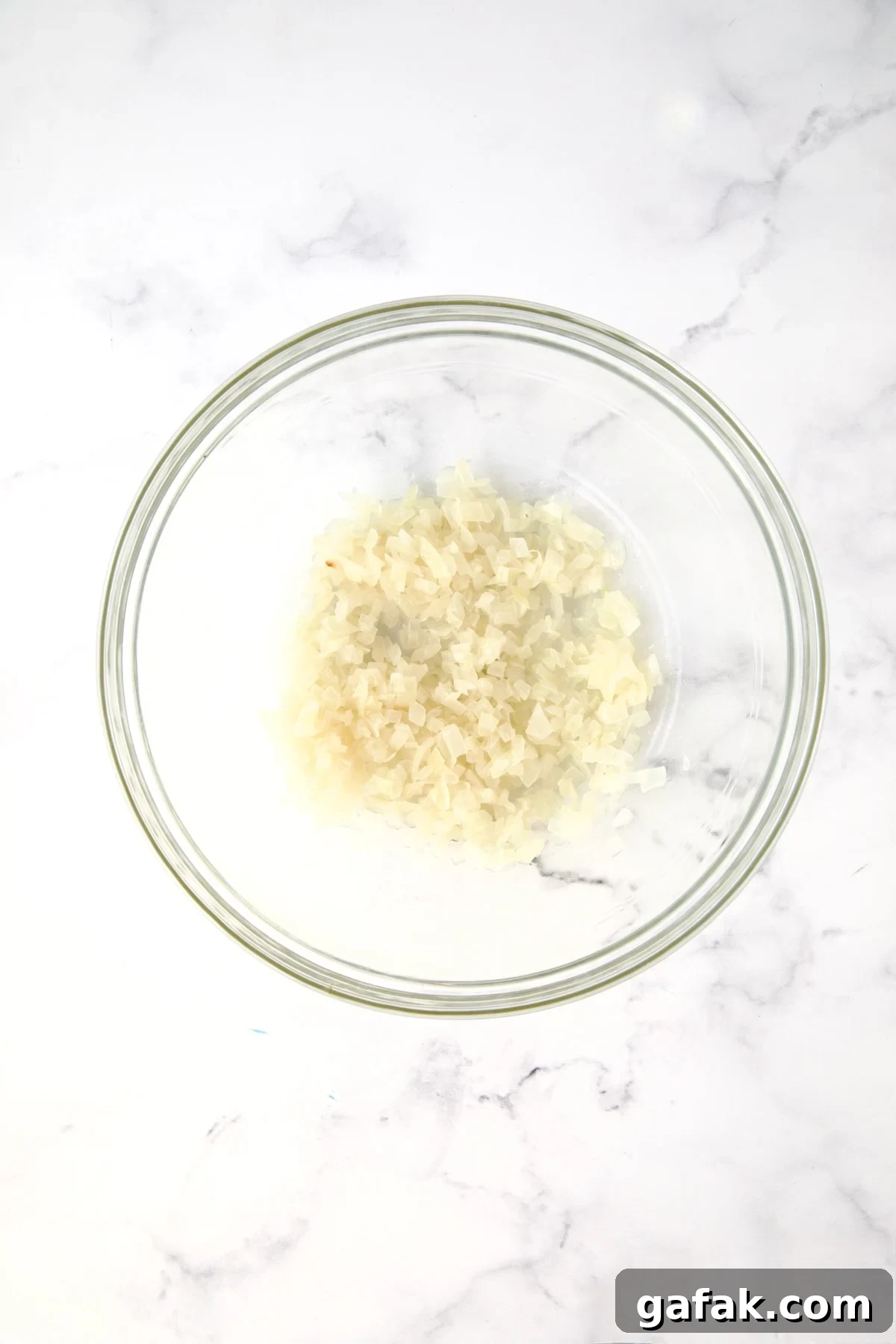
- Prepare the sauce: Heat oil in a saucepan over medium‑high heat, add the onion and cook 4–5 minutes until softened. Transfer half the onion to the bowl with rice and leave the other half in the pan.
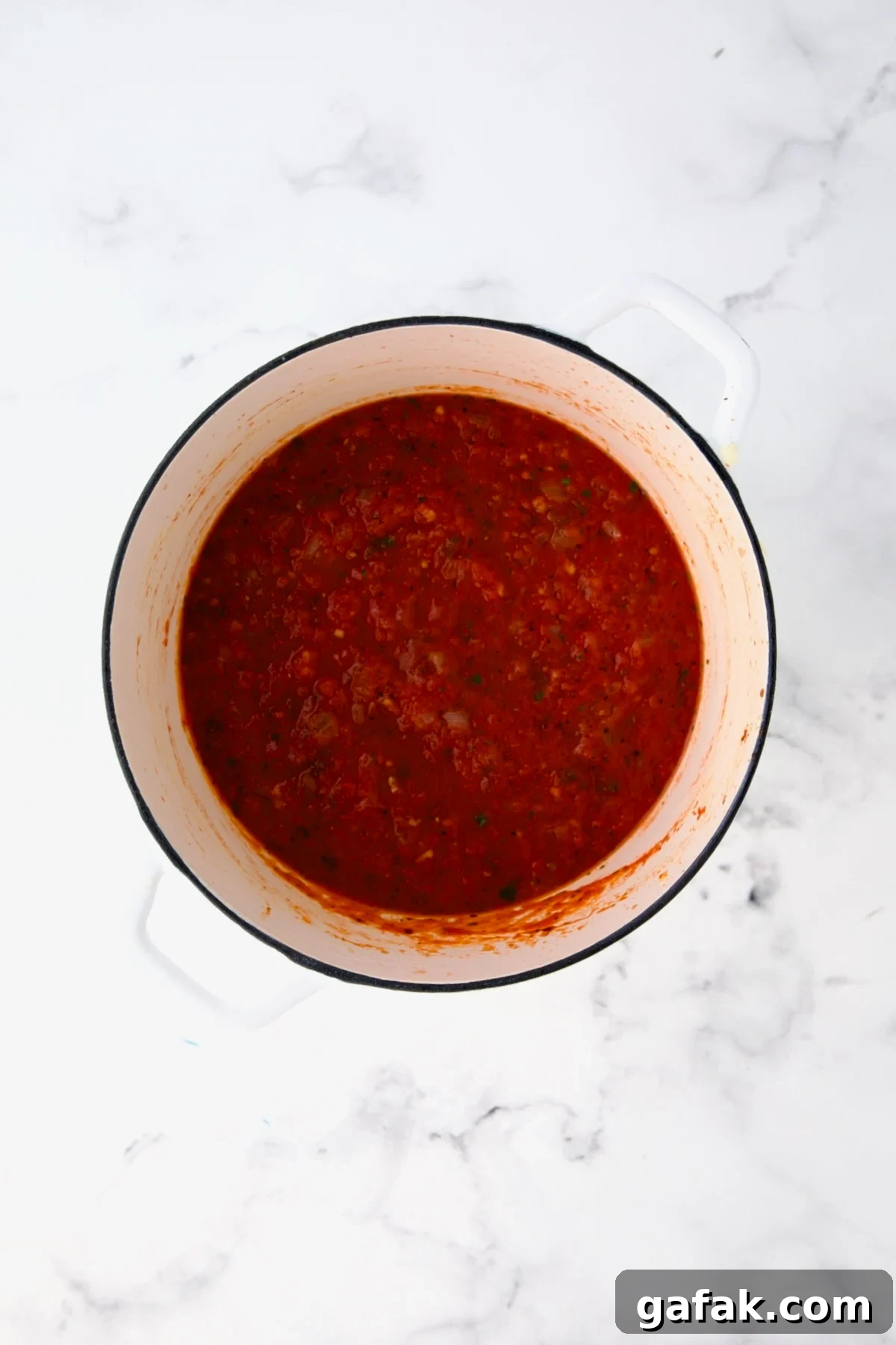
- Add half the garlic to the saucepan and cook briefly until fragrant. Stir in crushed tomatoes, the water used to rinse the can, dried marjoram, and beef bouillon concentrate. Simmer 10–12 minutes until slightly thickened, season with salt and pepper, and add a teaspoon of red wine vinegar if you like more tang.
- Reserve about 1/2 cup of the sauce in the prepared baking dish.
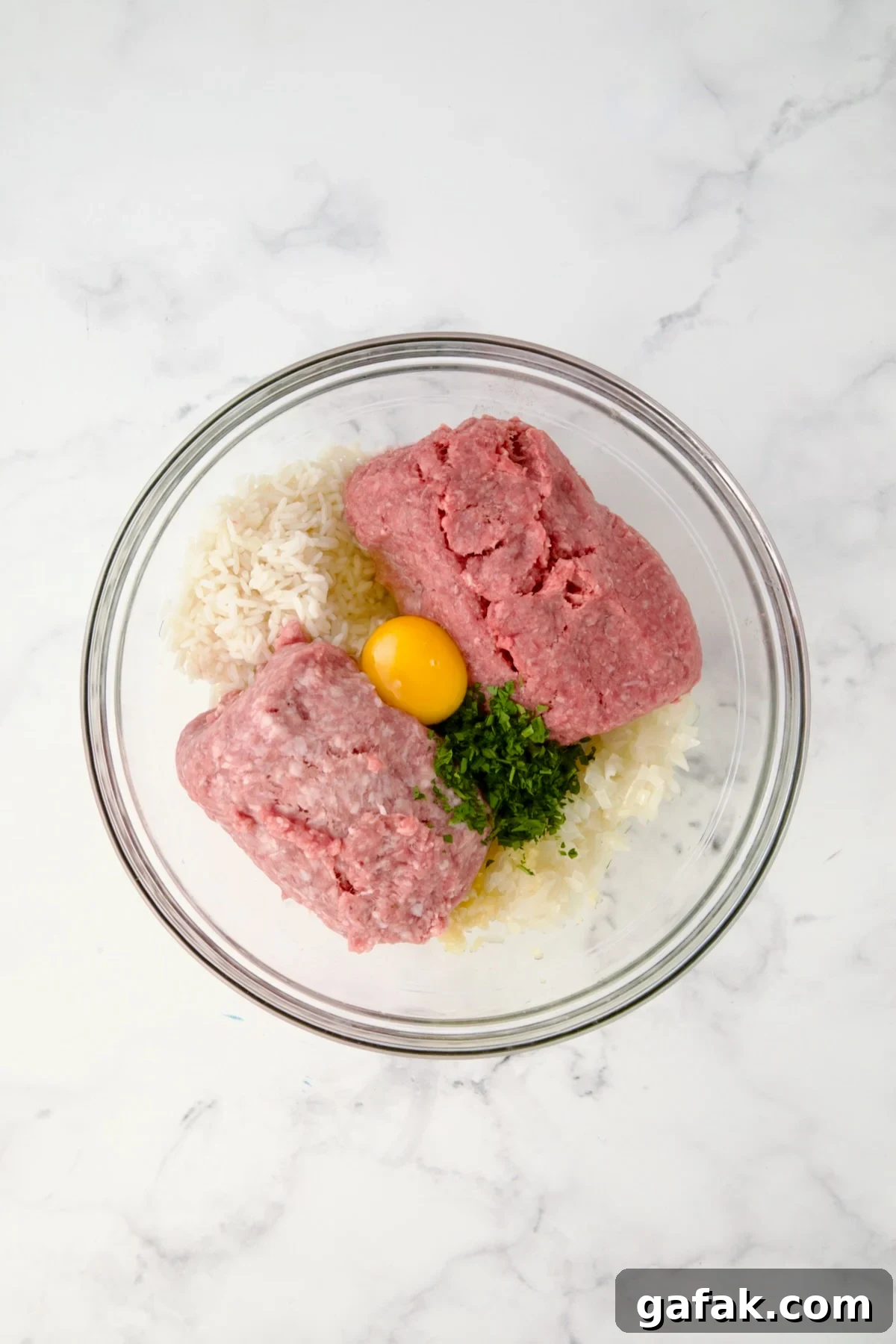
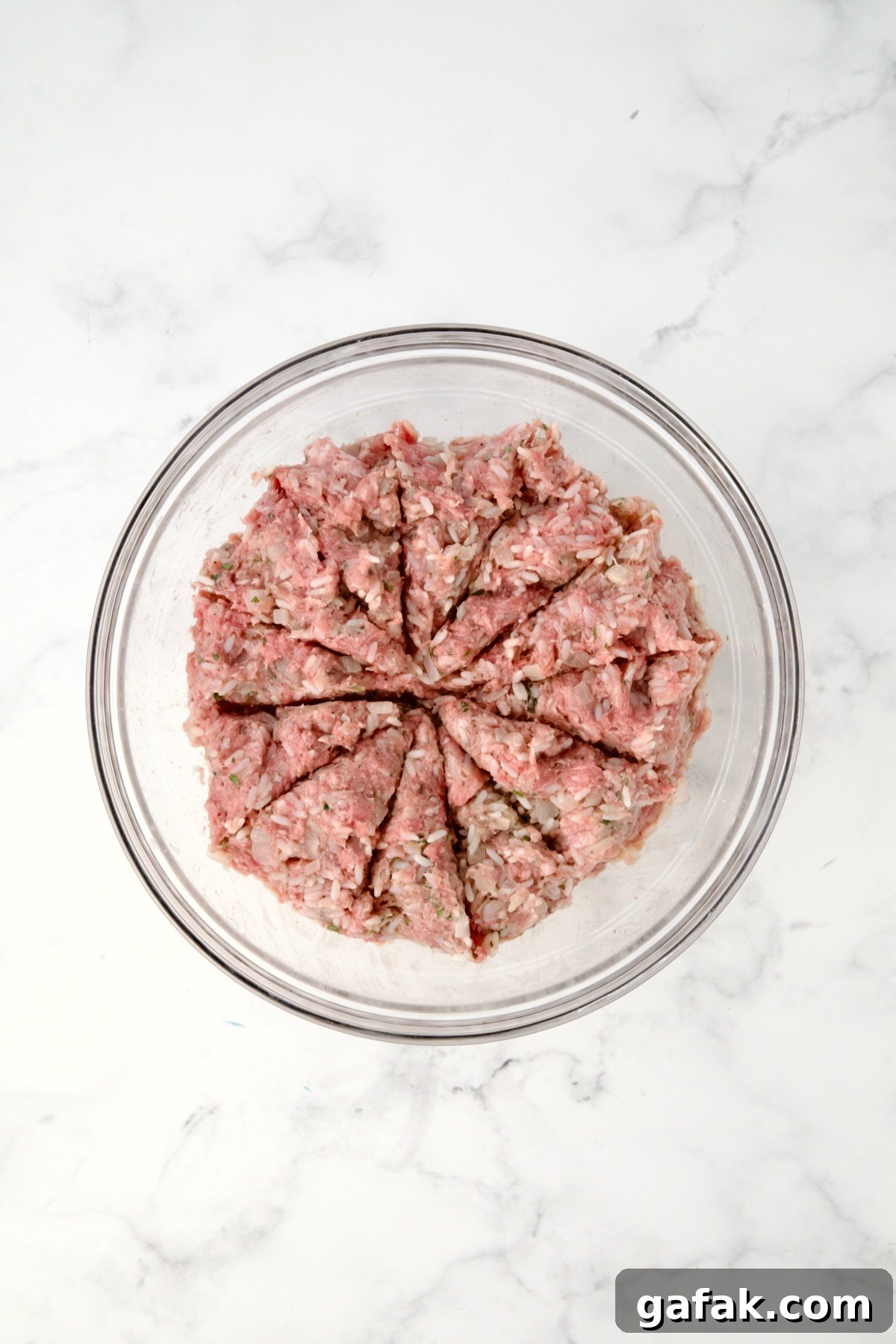
- Finish the filling: To the rice bowl add the remaining garlic, both ground meats and the egg. Season with 1 teaspoon salt, 1/2 teaspoon black pepper and half the parsley. Mix thoroughly and divide into 12 even portions.
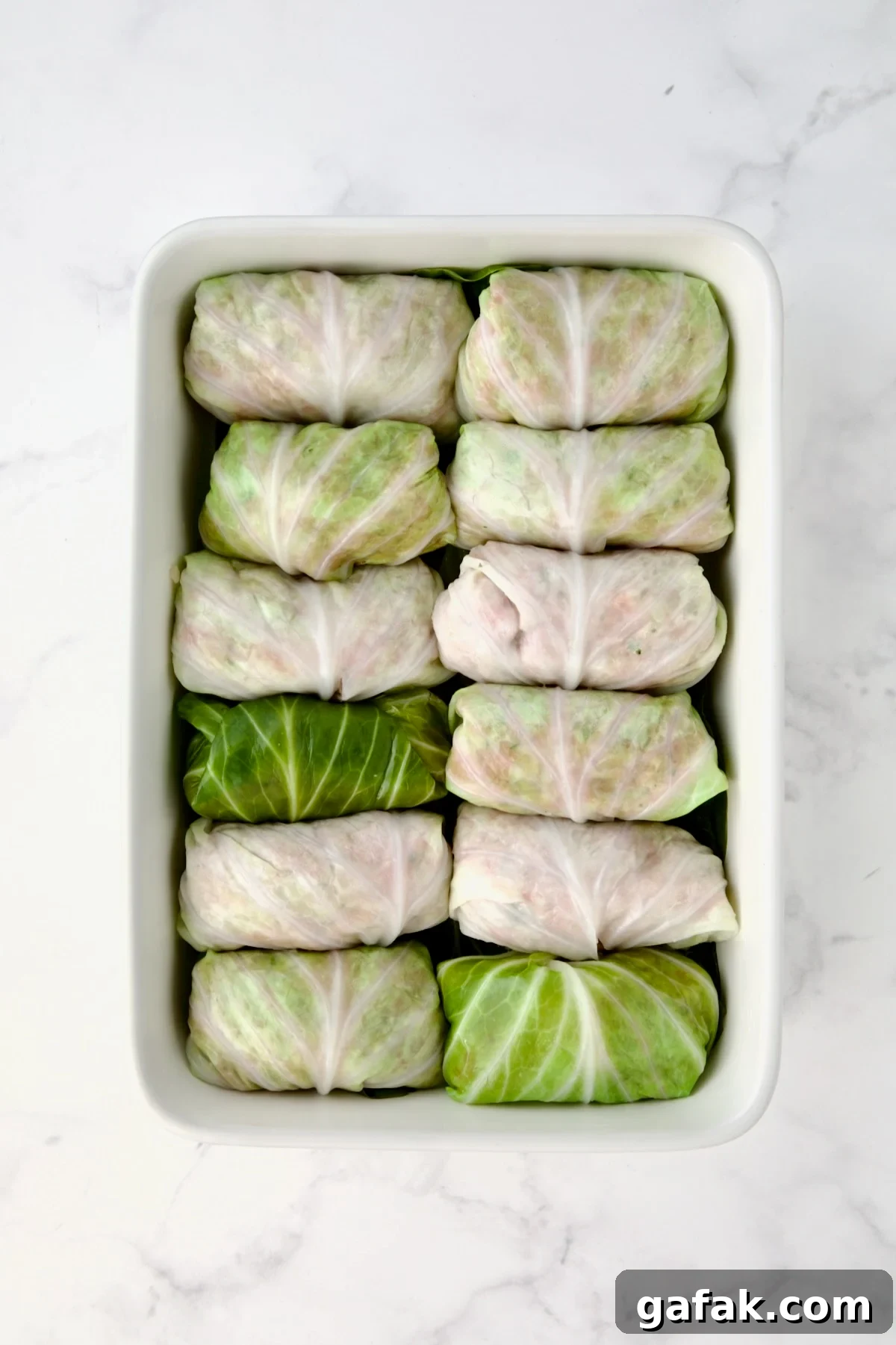
- Assemble the rolls: Place a leaf on a flat surface, add one portion of filling near the V‑cut, fold in the flaps and roll tightly. Arrange the rolls seam side down in the prepared baking dish. Repeat with remaining leaves and filling.
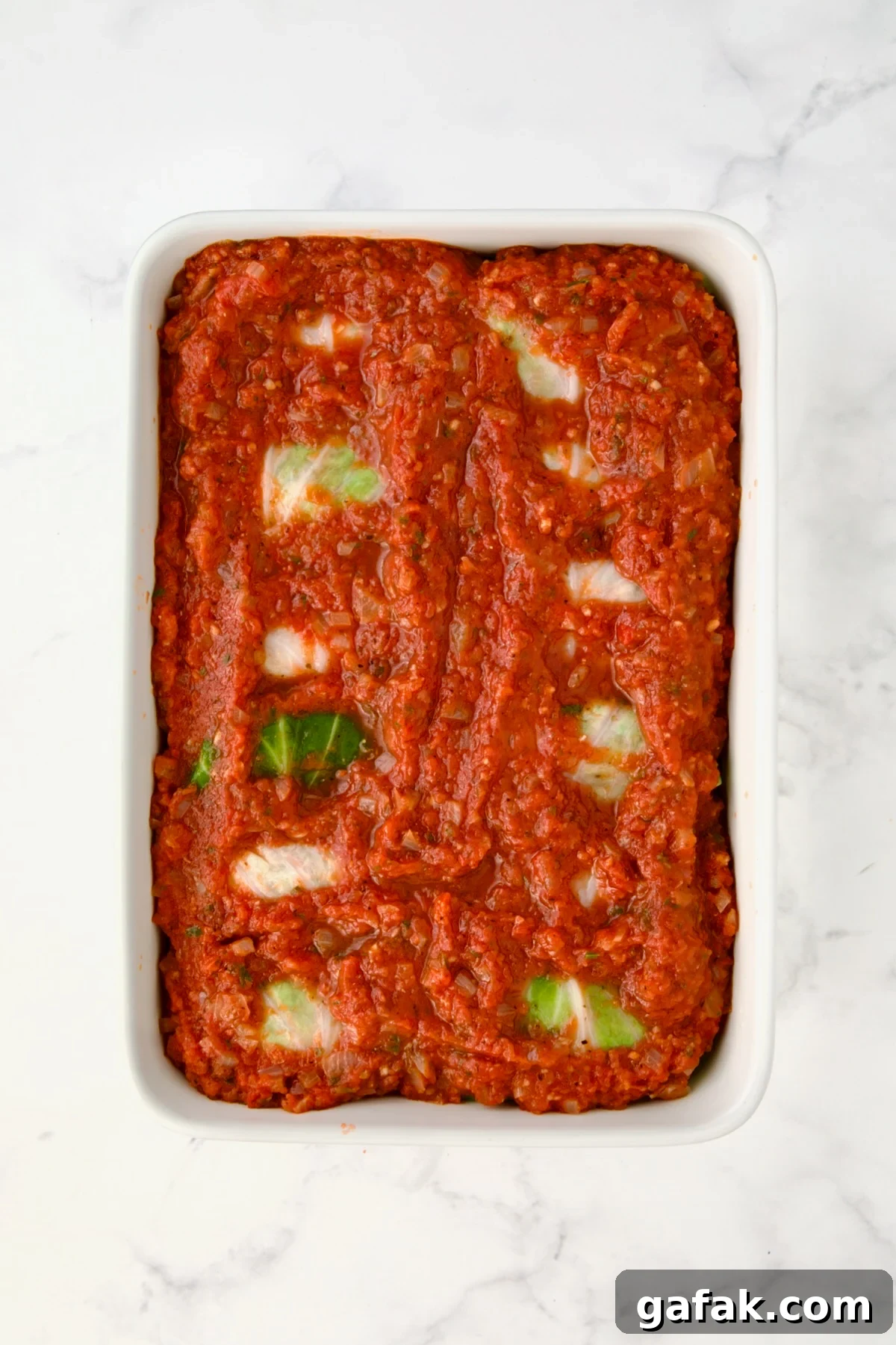
- Pour the remaining sauce over the assembled rolls. At this point you can refrigerate for up to 24 hours if the meats were fresh, or freeze for longer storage.
- Bake 55–60 minutes, or until an instant‑read thermometer registers 165°F in the center. Garnish with the remaining parsley and dill, if using.
Enjoy! This homemade golumpki recipe makes a comforting family or holiday meal.
Chef Tips and Tricks
- Use tongs to lift hot cabbage leaves from the pot; a knife can help free stubborn layers.
- Reserve the largest outer leaves for rolling. If leaves are small, you can overlap two to make a single roll.
- Cook rice to al dente so it finishes cooking inside the rolls without becoming mushy.
- Removing the thick center rib from each leaf makes rolling easier and helps the rolls lie flat in the pan.
- If you prefer, microwave the whole head to soften leaves: place the cored head in a casserole with 1/2 cup water, cover tightly, microwave on high about 9 minutes (turn halfway), then let rest 15 minutes before removing leaves.
Recipe FAQs
Parboiled rice keeps its texture well in these rolls, but regular white rice or brown rice will also work. Cook the rice only to al dente before mixing into the filling.
Yes. If assembling ahead, refrigerate for up to 24 hours only when using very fresh ground meats. For longer storage, freeze assembled rolls and thaw in the refrigerator before baking. If already baked, cool and refrigerate, then reheat in a 350°F oven until heated through.
Yes. Freeze either before baking (with raw meat) or after baking. Thaw in the refrigerator before baking or reheating; reheat to a safe internal temperature.
Yes. Replace meat with chopped mushrooms and hearty grains such as barley, farro, quinoa, or buckwheat for a vegetarian or vegan version.
While tomato soup is sometimes used as a convenience ingredient in North America, it is not traditional in Poland. Crushed tomatoes or tomato sauce are more authentic choices.
Storage
- Keep leftovers refrigerated up to five days or freeze for up to three months.
Serve Golumpki with
- Roasted beet salad
- Creamy potato cucumber salad
- Roasted onions
- Creamy cucumber salad with yogurt
More cabbage and cabbage roll recipes you’ll love
- Spicy Asian pork cabbage rolls
- Italian stuffed cabbage rolls
- Unstuffed chorizo cabbage roll skillet
All photos and imagery above are retained to illustrate key steps and finished results.