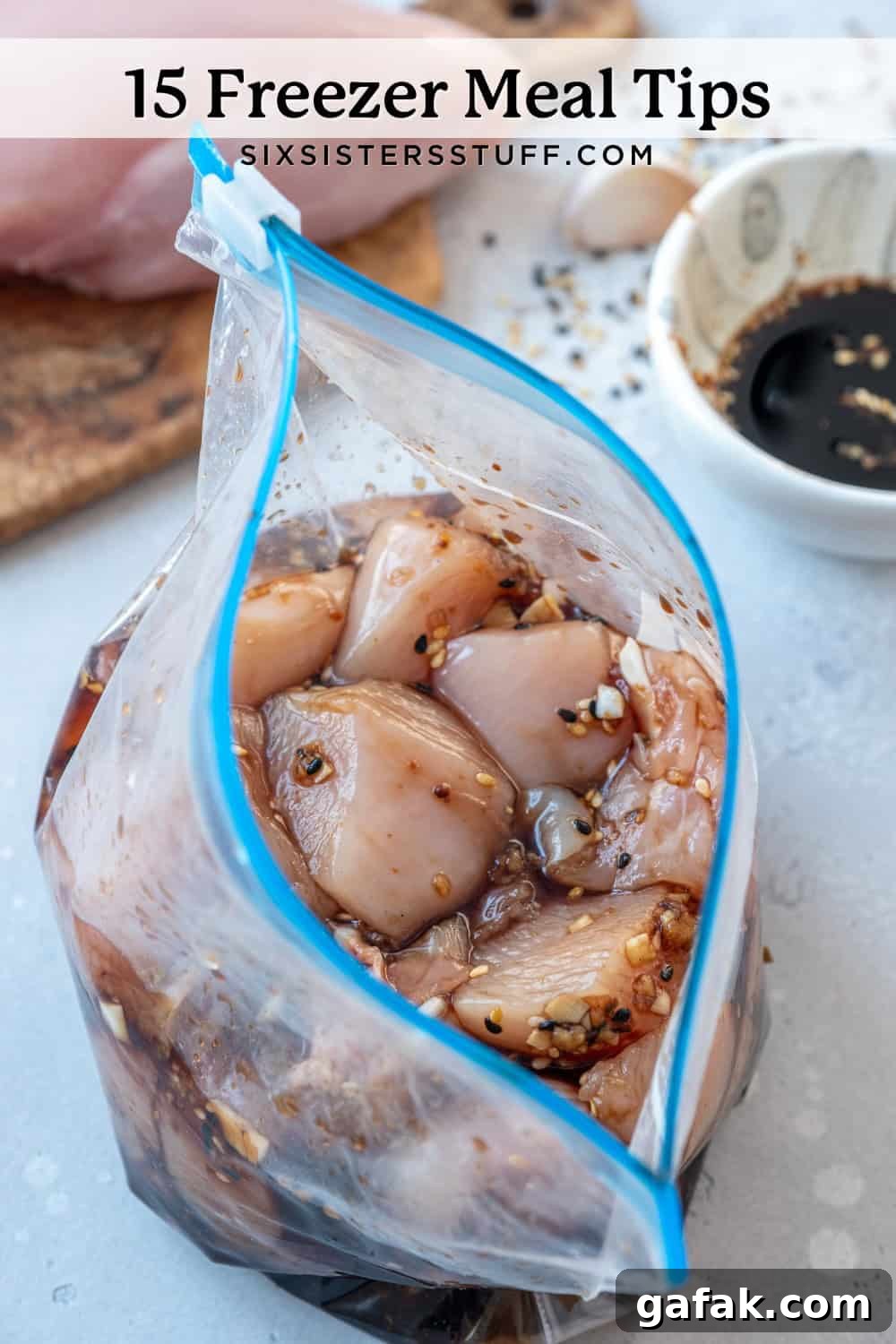
If you’re reading this, you likely have a busy schedule and don’t want to decide dinner every night. Maybe you’re caring for kids, studying as a college student, or simply prefer optimizing your time. Whatever your situation, freezer meals can be a huge help. They’re easy to prepare, fun to assemble, and incredibly convenient.
I began making freezer meals when I was pregnant with my first child and knew I wouldn’t have time to shop or cook regularly. I quickly loved the process—from planning and prepping to reheating and enjoying the meals. Freezer cooking introduced me to new favorite recipes and made weeknight dinners effortless. When you want a healthy, home-cooked meal without the evening stress, prepping a few freezer meals in advance is a game changer.
I like to keep about five to ten meals stocked in the freezer so I can grab one and cook it in a slow cooker or Instant Pot on busy days. Freezer meals give you the convenience of takeout with the quality of a homemade dinner—truly a win-win. If you’re curious but intimidated, this guide walks through practical tips and tricks for planning, prepping, and cooking simple freezer meals your family will enjoy.
We’ll cover three key stages: planning, preparation, and cooking.
Planning
Freezer meals require a bit of advance planning. These tips help you stay organized and efficient.
Explore Pinterest and Favorite Blogs
There are countless freezer-friendly recipes available online. Browse Pinterest or trusted food blogs to gather ideas, then save the recipes where you can find them easily when it’s time to prep.
Create a Menu
Once you’ve selected recipes, plan a manageable menu. Start with five meals or fewer so the assembly process doesn’t feel overwhelming.
Make Your Shopping Lists
After your menu is set, create a detailed grocery list. This reduces extra store trips and saves money. If possible, use grocery pickup or delivery to streamline the process and save time.
Plan Your Prep Day
Choose a prep day when you’re free of major obligations and distractions—when kids are napping or out of the house, for example. A focused block of time makes assembly faster and less stressful.
Preparation
With your menu planned and groceries gathered, it’s time to prep. These steps will keep the process smooth and efficient.
Clean Your Space
Clear and sanitize your counters so you have plenty of room to work. A clean workspace helps you move through prep without distractions or hygiene concerns.
Organize Your Groceries
Sort ingredients by meal. Grouping items that belong to the same recipe speeds up assembly and reduces confusion, especially when multiple recipes share similar ingredients.
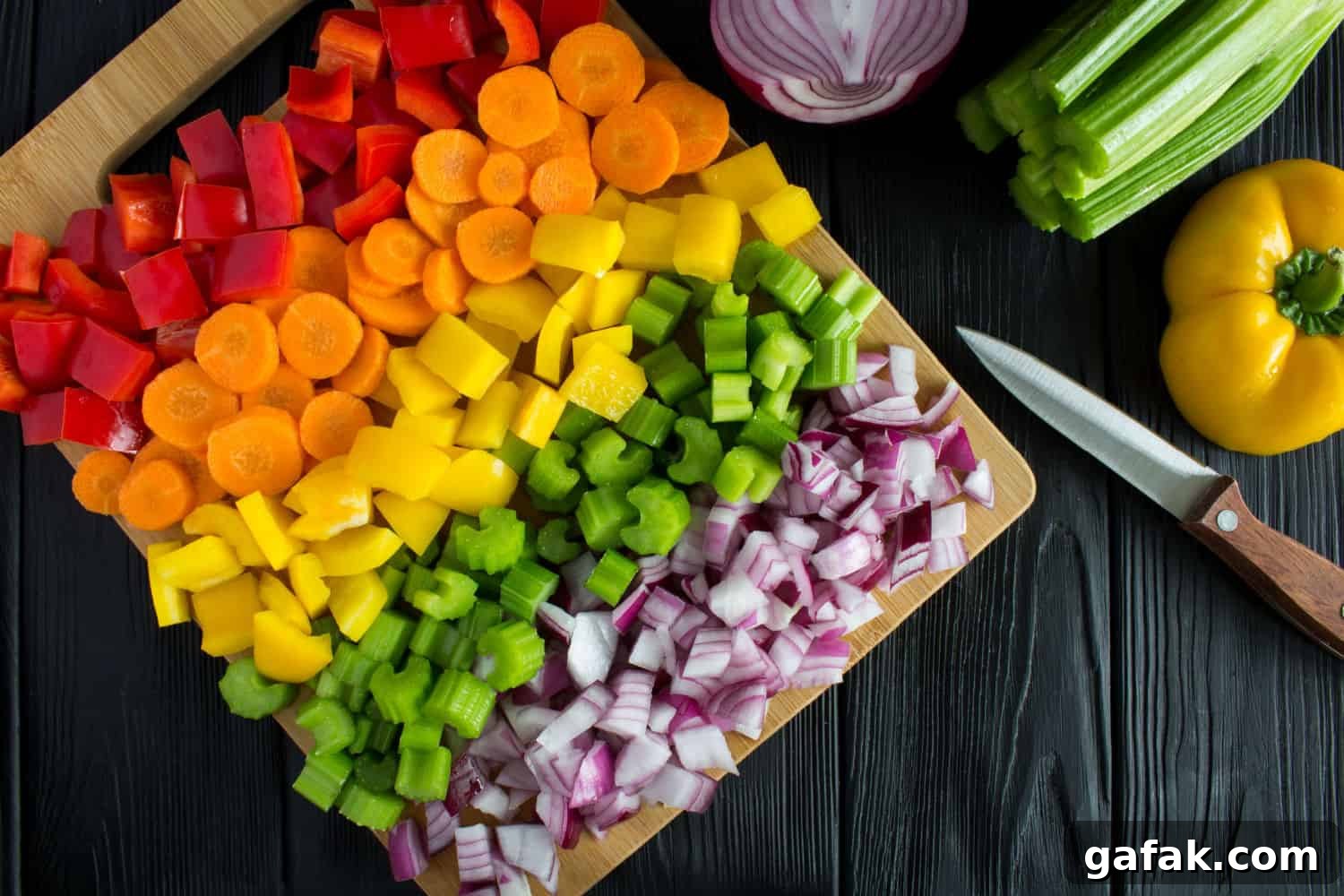
Cut All Your Vegetables
Prep all produce at once to streamline assembly. Put on music, a podcast, or an audiobook to make chopping more enjoyable and efficient.
Assemble the Meals
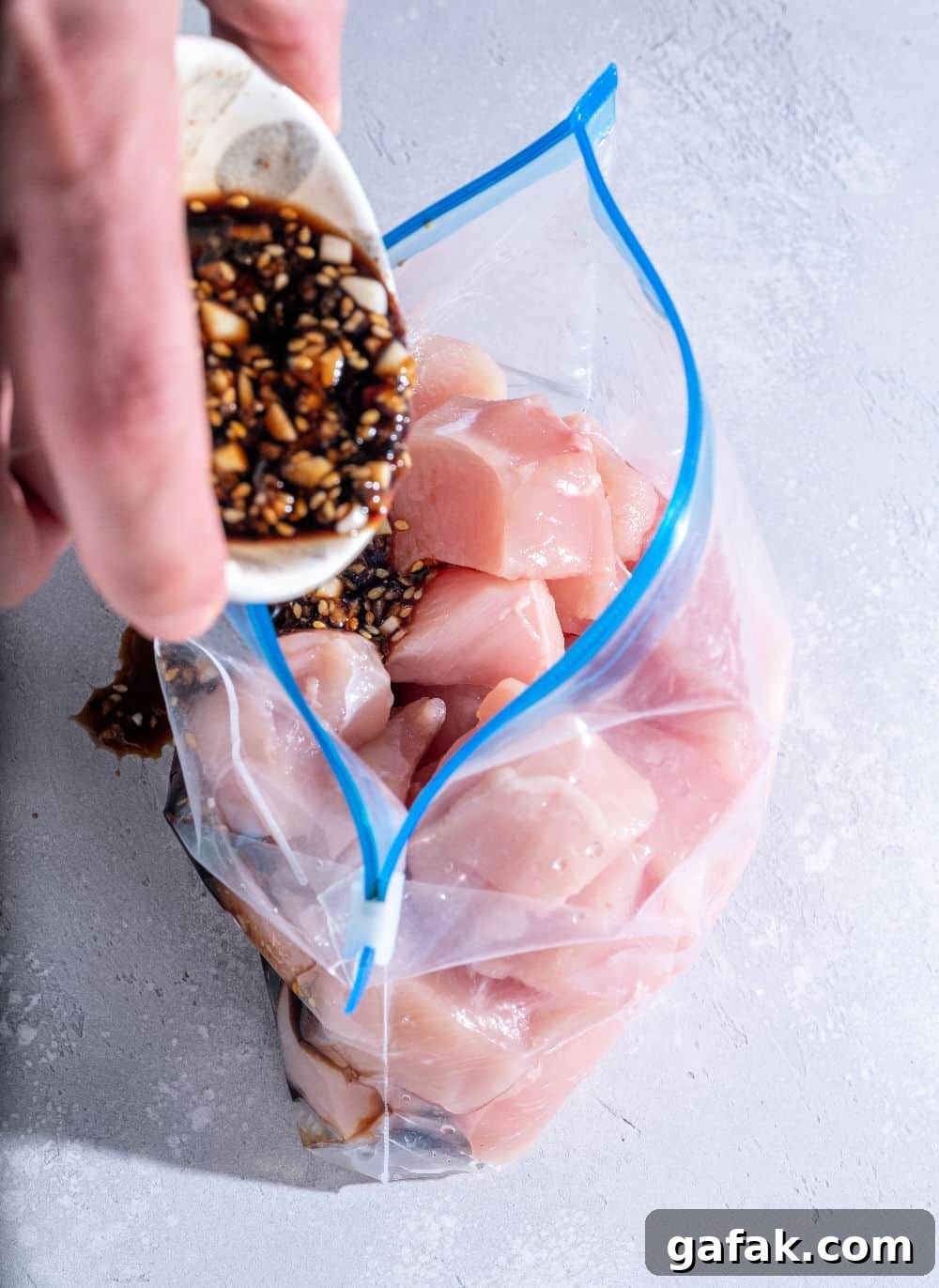
Assemble each meal into its container or bag. This is the most time-consuming stage, but the payoff is worth it: fully prepared meals you can heat and serve on busy nights.
Use Heavy-Duty Bags or Containers
Choose sturdy freezer bags or tight-sealing containers to prevent leaks and protect food quality. A gallon-sized freezer bag works well for many recipes.
Remove Air from Bags
Eliminating excess air reduces freezer burn and saves space. Press out as much air as possible before sealing each bag or use vacuum-seal if available.
Cook Meat Ahead of Time
Pre-cook meats like ground beef, shredded chicken, or pulled pork before assembling meals. This shortens cooking time later and ensures food safety.
Refrigerate Warm Meals Before Freezing
Allow any hot or warm assembled food to cool in the fridge before freezing. Placing warm food directly in the freezer can raise the freezer’s temperature and affect other items.
Avoid Placing Cold Glass Directly in the Oven
If you use glass containers, bring them to room temperature before reheating in the oven to prevent thermal shock and cracking.
Cooking
After prepping, you’ll enjoy the convenience of quick, stress-free dinners. Here are tips for reheating and storing your freezer meals.
Thawing and Cooking
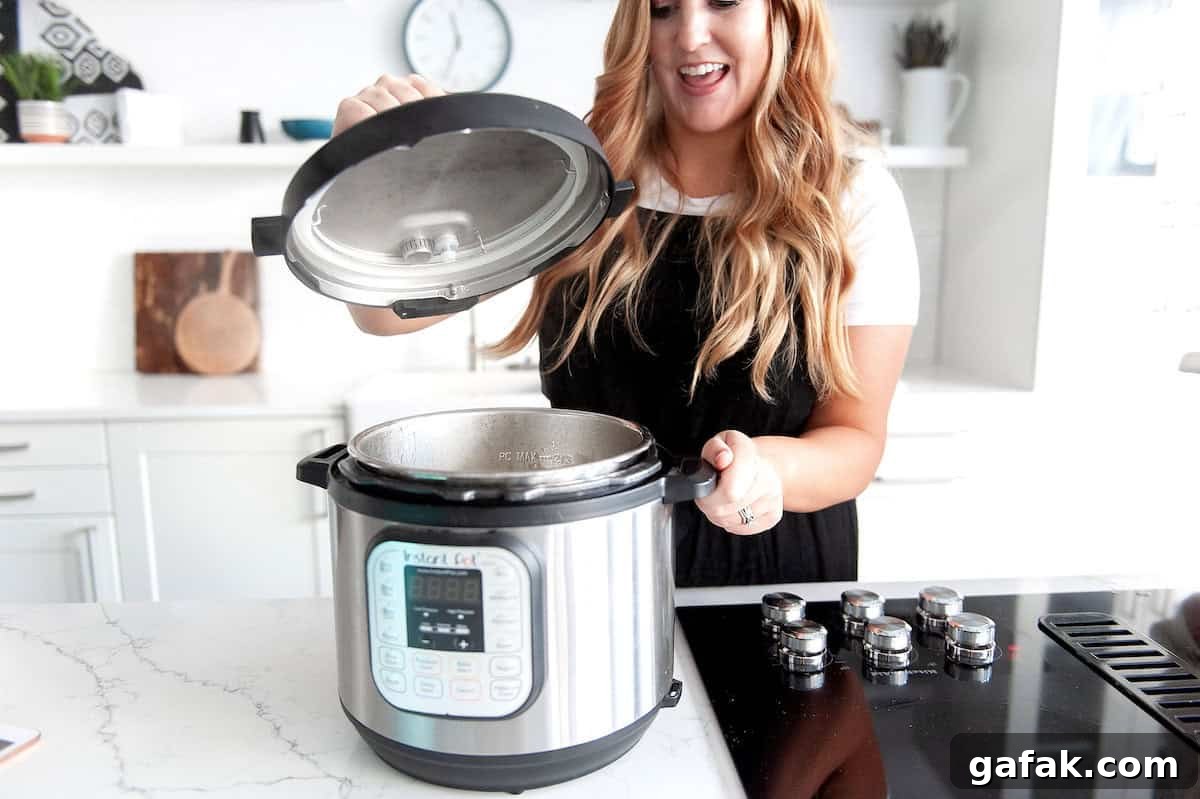
Reheat freezer meals in a slow cooker, Instant Pot, or oven. If a meal needs thawing, run the sealed bag under warm water until flexible, or transfer to the refrigerator overnight for safe thawing.
Eat Within Three Months
For the best flavor and texture, aim to eat your freezer meals within three months. While many foods remain safe longer, freshness declines over time.
Don’t Refreeze Thawed Meals
Refreezing thawed meals increases the risk of foodborne illness and reduces quality. If you thaw a meal, cook and eat it that day, or keep it refrigerated and consume it within a day or two.
Freezer cooking takes some upfront work, but the benefits are substantial: fewer evening decisions, healthier meals, and more time with family. With a little planning and organized prep, you’ll have stress-free dinners ready whenever you need them. If you’re ready to begin, this approach will help you build a practical routine for consistent, delicious freezer meals.
Looking for more freezer meal ideas? Search your favorite recipe sources for collections of freezer-friendly dishes, slow cooker meals, and Instant Pot recipes to expand your weekly rotation.