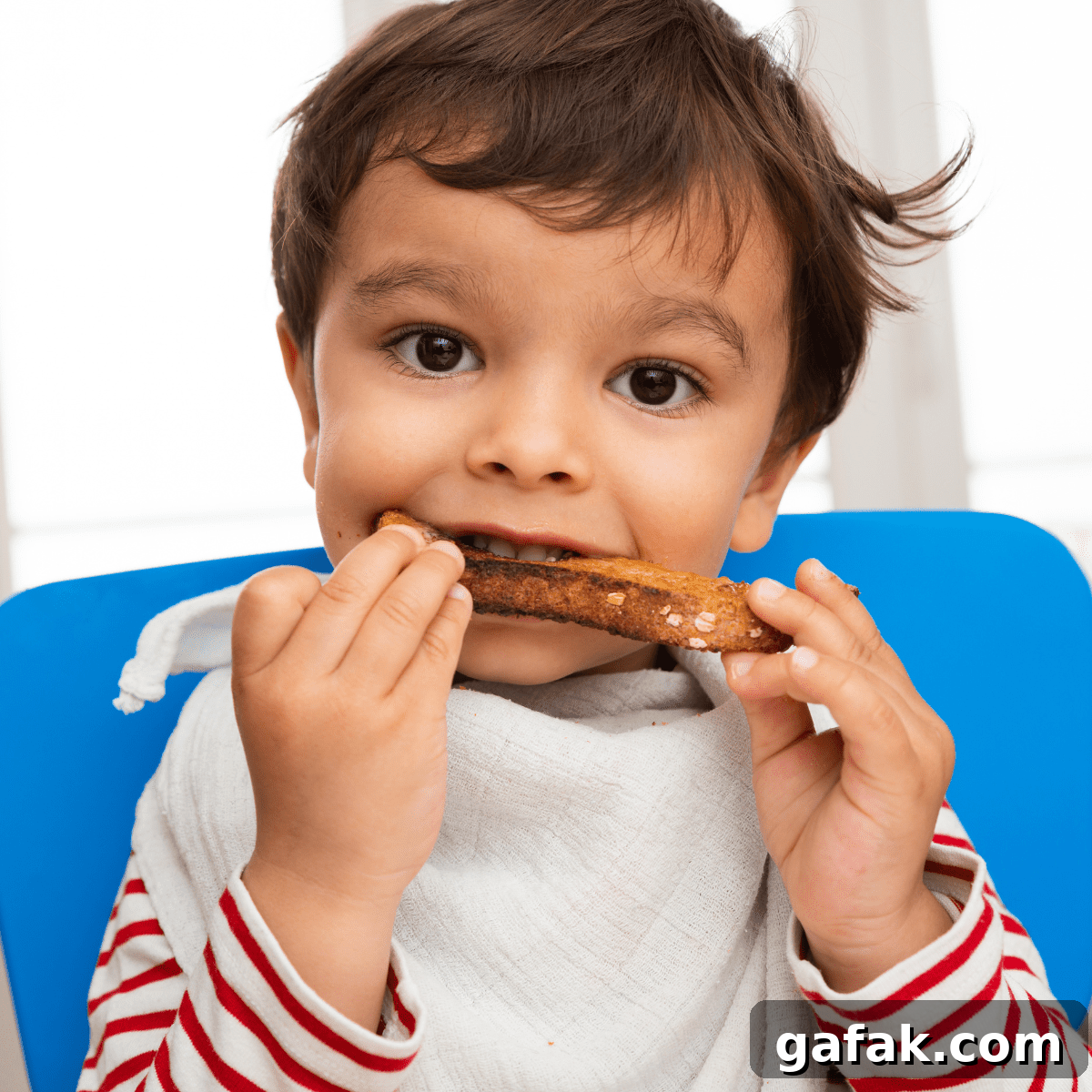
Does any of this sound familiar?
- Your child refuses to eat at mealtime but asks for a snack right after.
- They request crackers, chips, cookies, or granola bars all day, every day.
- They clearly prefer snacks over the meals you cook and aren’t shy about telling you.
Feeding your child feels like a core parental responsibility, so you give in and hand over the snacks. That’s understandable because:
- You don’t want them upset.
- You don’t want them to go hungry.
- You need a few minutes to get things done without whining.
- You worry they aren’t eating enough.
This cycle of constant toddler snacking is extremely common and not your fault. The good news: a few simple changes to your routine can break the pattern. Below I explain why toddlers graze so much and offer practical strategies to reduce constant snacking and get kids eating at mealtimes.
It’s Normal and Okay That Your Toddler Loves Snacks
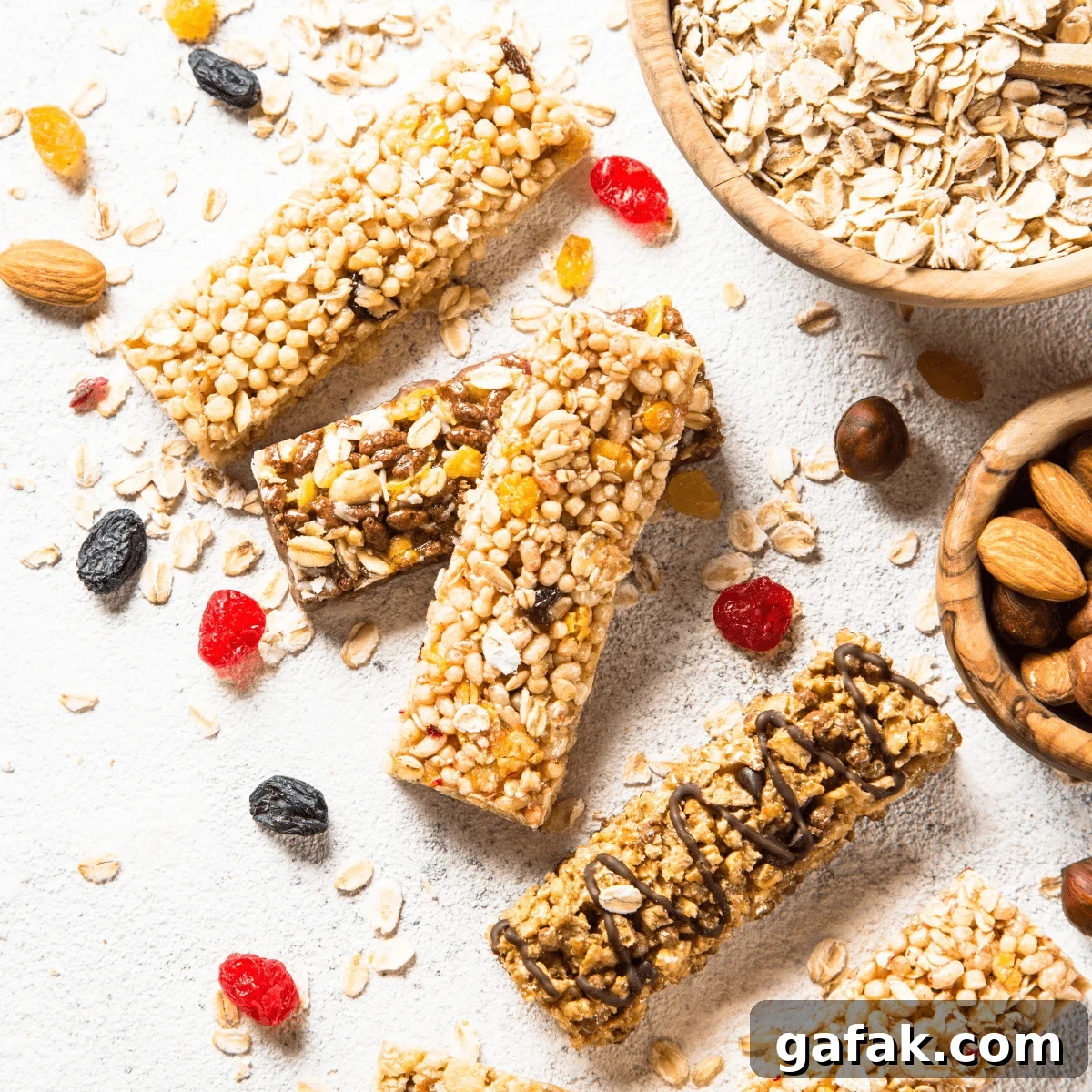
It makes sense that your toddler is drawn to snacks. This isn’t about anything you did wrong—snack foods are simply more appealing to young children than many full meals. Packaged snacks are consistent in taste and texture, so they feel safe to picky eaters. Fresh foods like blueberries vary in sweetness and texture, which can feel risky to a toddler.
Bottom line: It’s perfectly normal for toddlers to favor snacks.
Snacks Have Their Place
Snacks are part of a healthy toddler diet when they’re balanced and planned. Proper snacks help children stay satisfied between meals and maintain energy so you hear fewer urgent hunger cries. Balanced options that combine carbs, protein, and fat help toddlers stay fuller longer and reduce constant requests.
If you’re overwhelmed by planning, prepping, and cleaning up snacks all day, consider simplifying with convenient, nutritious packaged choices so snack time is less stressful.
The Problem With All-Day Snacking
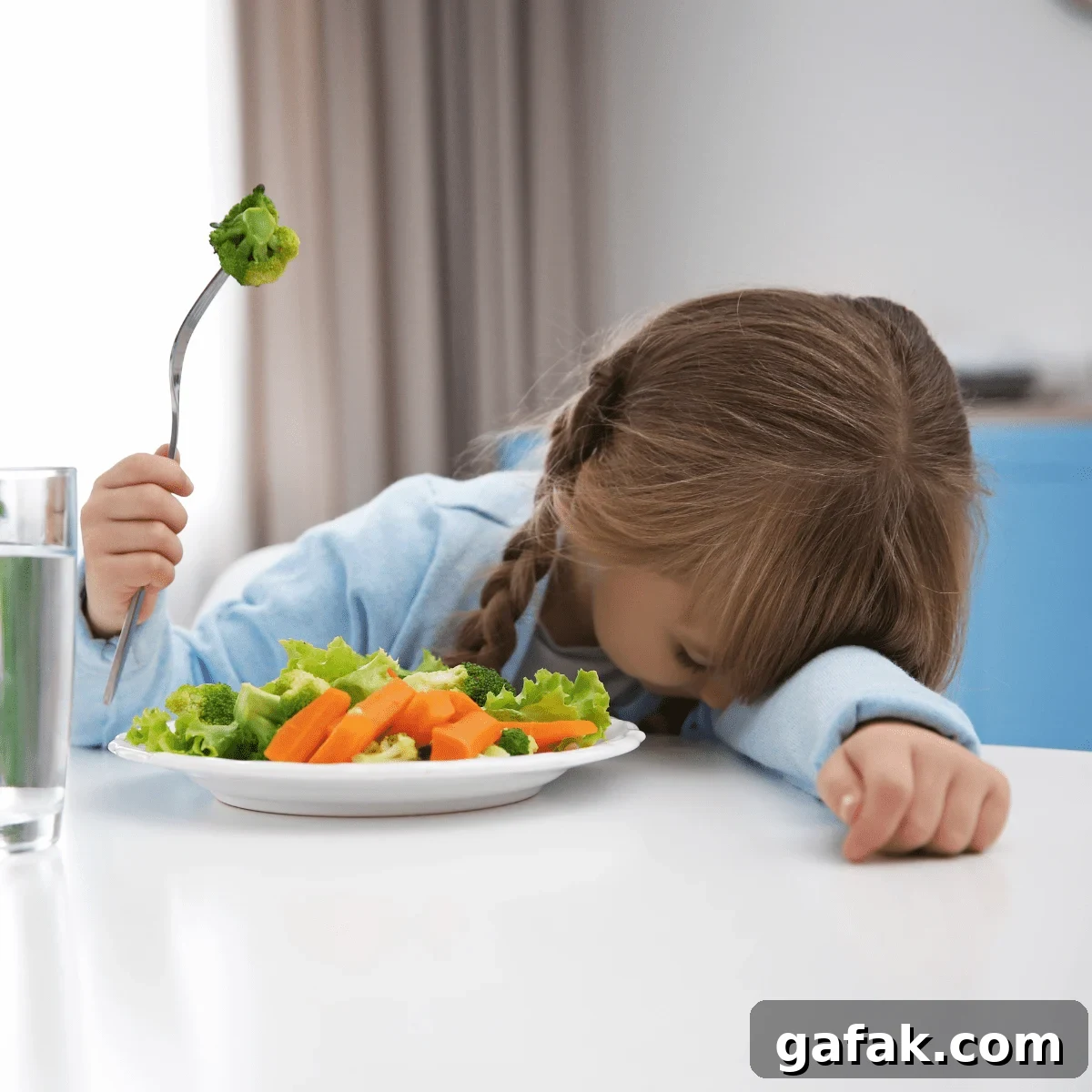
While snacks can be useful, excessive grazing causes issues:
Snacking Reduces Mealtime Hunger
If kids graze all day, they arrive at meals uninterested and not hungry, which can reinforce picky eating habits.
Snacks Can Displace Nutrients
Frequent snacking can fill up a toddler’s stomach and push out the more nutrient-dense foods meals provide.
Many Snacks Lack Macronutrients
Snack staples like crackers and chips offer carbs but often miss meaningful protein, fat, or fiber. Carbs give quick energy and can lead to repeated hunger if not paired with other macronutrients. Combining carbs with protein or fat helps snacks keep kids satisfied longer and reduces the cycle of constant requests.
How To Stop Your Toddler From Grazing: Simple Strategies
Snacks aren’t the enemy, but you don’t need to tolerate nonstop asking for them. Try these practical steps to reduce grazing and encourage proper mealtime eating.
1. Create a Meal & Snack Schedule
Establish semi-regular meal and snack times—a loose routine rather than a strict timetable. Predictability helps toddlers learn when food is available and when it’s not. Aim for about three meals and two snacks daily. A typical pattern might look like:
- 7:30 am Breakfast
- 10:00 am Snack
- 12:00 pm Lunch
- 3:00 pm Snack
- 6:00 pm Dinner
Consistency will help your child arrive at mealtimes with appropriate hunger.
2. Prioritize Well-Rounded Snacks
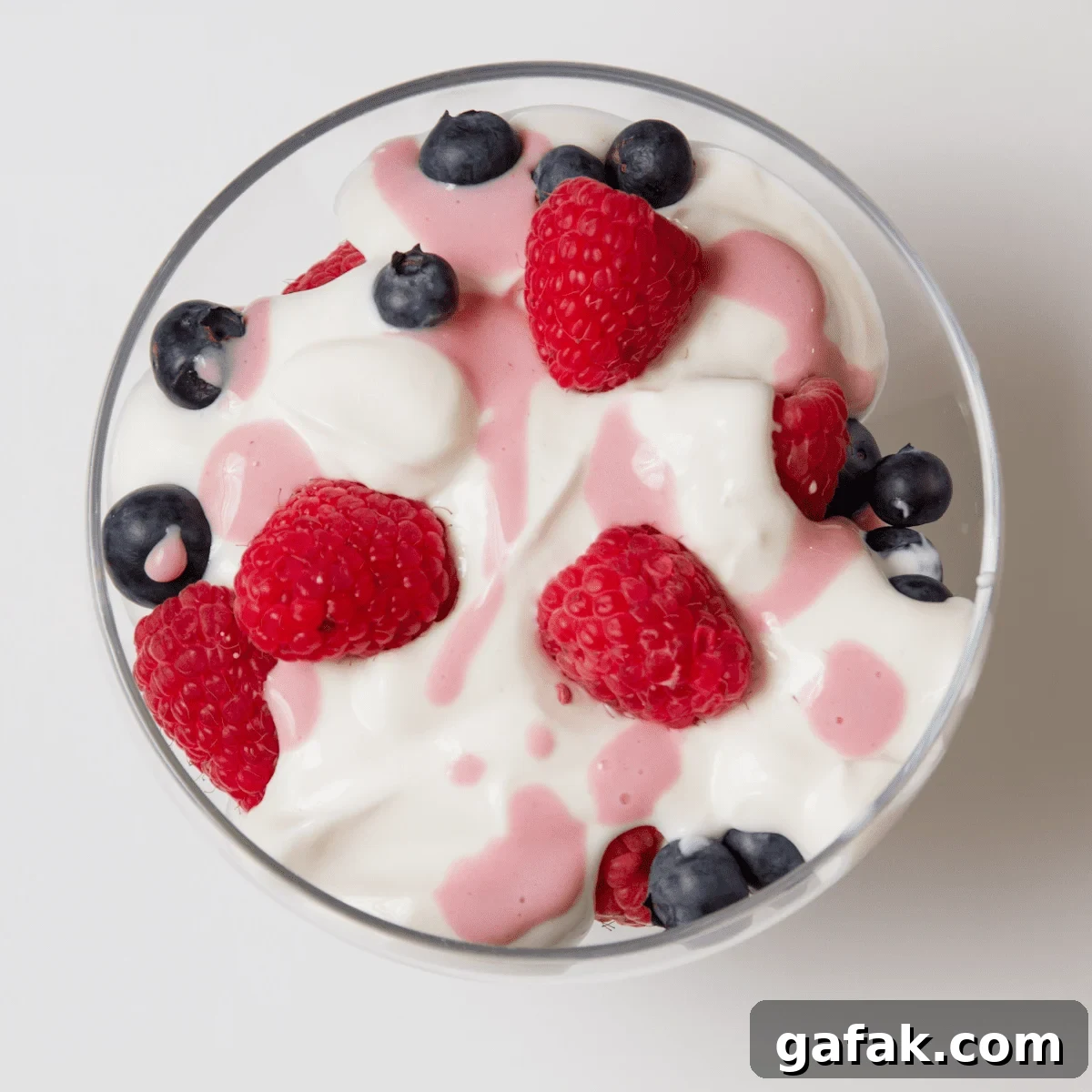
Be strategic about snack choices. Combine carbs with protein and fat when possible. Examples: pretzels with a glass of whole milk, fruit paired with cheese, or yogurt mixed with nut butter. Balanced snacks prevent quick sugar crashes and keep toddlers satisfied until their next meal.
3. Sit Down for Meals and Snacks
Serve meals and snacks while seated whenever possible. Sitting at the table signals that it’s time to eat, reduces distractions, and encourages mindful eating. Mindful eating helps toddlers tune into hunger and fullness cues—skills that benefit them for life.
4. Serve Balanced Meals
Aim to include carbohydrates, protein, and fat at meals. If your child resists certain foods, choose alternatives that still deliver needed nutrients—like protein-rich pasta or serving a glass of milk alongside the meal. These choices fill nutritional gaps and help them stay full until the next scheduled snack.
5. Say No Sometimes
With a consistent meal and snack routine, you’re offering plenty of opportunities to eat. It’s okay to decline requests that fall outside those times. Short-term hunger is not an emergency—children need to learn how much food their bodies require at one sitting. Saying no can be tough, but it’s part of teaching healthy eating habits.
How to Say No
Distract younger children or offer alternatives: an activity, a glass of water, or the chance to help prepare the next meal. For older kids, calmly remind them it’s not snack time and offer a specific time when food will be available.
Helpful scripts:
- “It’s not snack time yet. Let’s pick a book—do you want to read about dinosaurs?”
- “It’s not snack time right now; would you like to _______ instead?”
- “Are you feeling hungry? Dinner is coming up, so we’ll eat soon.”
Toddler Snacking FAQs
Should I Give My Toddler a Bedtime Snack?
A bedtime snack can work if dinner is early and bedtime is late. Keep it simple and filling—avoid high-sugar treats. Good options include full-fat cheese with fruit or yogurt mixed with nut butter to help them stay satisfied overnight.
Should We Have a Snack Drawer?
While a snack drawer is convenient, it often enables constant self-served grazing. If toddlers can access snacks anytime, they’ll take them and may skip meals. A better approach is to keep snacks available but offer them at scheduled times.
What If My Toddler Is Sad or Bored?
Avoid using snacks to soothe emotions or as a distraction. Encourage eating for physical hunger within set meal and snack times, and use other strategies—comfort, play, or attention—for emotional needs. This helps develop a healthy relationship with food.
Grab a Free Store-Bought Snack Guide
Snacks are a daily necessity and choosing the right ones can be tiring. A simple packaged snack guide with nutritious grab-and-go options can make shopping easier. Look for products with limited added sugar, no artificial colors or flavors, and real-food ingredients. Visual guides to brands and labels make quick choices simpler at the store.